VPEG 2400 Polyether Monomer Explained: Properties, Applications and Benefits
* Understanding VPEG 2400 polyether monomers reveals how advanced chemical engineering solves persistent production challenges in concrete admixture manufacturing. This vinyl-terminated polyoxyethylene ether functions as a critical macro-monomer in synthesizing third-generation polycarboxylate superplasticizers, addressing supply chain vulnerabilities that cause production line shutdowns. When raw material batch inconsistency disrupts PCE performance, procurement managers face costly downtime—sometimes stretching across three production days. This guide examines technical specifications, industrial Applications, and strategic sourcing considerations that enable large-scale manufacturers to build resilient dual-supplier systems while maintaining stringent quality parameters throughout high-volume operations.
- Understanding VPEG 2400 Polyether Monomer: Composition and Properties
(1). What Makes This Macro-Monomer Different?
A special kind of chemical called vinyl-terminated polyethylene glycol ether has a molecular weight of about 2400 g/mol and is used for carefully controlling polymerization processes. The last vinyl group makes copolymerization with acrylic acid compounds possible. This is what current concrete superplasticizers are made of. This molecular structure makes long side chains that act as steric hindrances to keep cement particles from sticking together too soon while the mixture is being mixed.
Advanced ethoxylation methods are used in manufacturing to get a precise spread of molecular weight. Tighter polydispersity indices directly lead to more predictable behavior of polymers during synthesis. When your technical team looks at samples, molecular weight ranges that are close together show that the manufacturing process was done well, which is strongly linked to PCE performance being the same across production batches.
(2). Critical Technical Specifications
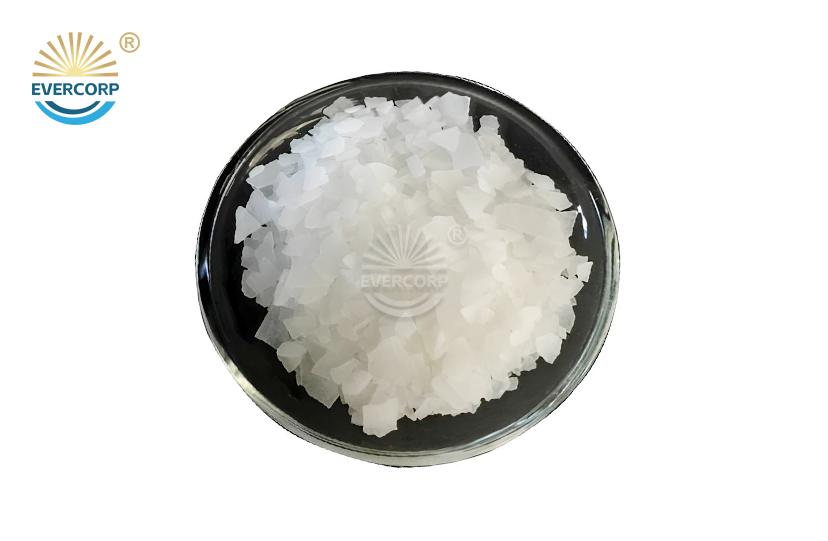
The operational compatibility with existing production equipment is based on its physical characteristics. The flakes, which are white to off-white, dissolve easily in deionized water at room temperature, so you don't need any special heating systems. A solid content higher than 98% keeps exact stoichiometric ratios during polymerization by reducing the amount of water added to formulas.


Unsaturation values at or above 0.35 mmol/g show that there is a lot of double-bond retention, which has a direct effect on how well the graft works. When reactive groups stay together during storage and handling, polymerization conversion rates stay higher than the standards set by the industry. As a useful quality indicator, the iodine value—readings of 8.5 g I₂/100g or higher—mean that the vinyl's functionality has not been lost. It is compatible with normal PCE synthesis conditions as long as the hydroxyl value is between 22 and 28 mg KOH/g and the pH ranges from 5.0 to 7.0 in water. If the moisture level is less than 0.3%, hydrolysis processes that damage the structure of the vinyl group are stopped before polymerization starts.
(3). Storage and Handling Considerations
Chemical action is kept up throughout the supply chain by using the right storage methods. Specification parameters stay the same for twelve months in sealed containers kept below 35°C in low-humidity areas. Changes in temperature lead to physical caking and the slow breakdown of unstable double bonds by oxygen. As part of quality control procedures, the iodine value of stored goods should be checked every six months, especially for items kept in warmer areas.
The way materials are handled affects how well they are made. To get mother liquors with a concentration of 40–50% that can be used in synthesis reactors, flake products like VPEG 2400 Polyether Monomer only need to be stirred slightly in deionized water. When compared to monomers, which need to be heated up before they can be used, this makes the equipment simpler and uses less energy.
- Key Applications of VPEG 2400 Polyether Monomer
(1). High-Performance Concrete Infrastructure
When working on big building tasks, you need materials that are very strong and will last for a long time. To build high-speed rail systems, bridges, and tunnel linings, you need C60–C80 grade concrete that doesn't shrink much and lasts for decades. Polycarboxylate superplasticizers made from vinyl-capped polyethylene glycol ethers help get rid of water and spread out particles so that these performance goals can be met.
The side-chain length that creates the best steric repulsion between cement particles is around 2400, which is the molecular weight. This mechanism keeps the paste's fluidity even when the water-to-cement ratio is low, making microstructures that are denser and less permeable. When long-term durability is required by infrastructure specs, the chemical architecture generated from this monomer type always meets the strict requirements that govern large public works projects in a number of different countries.
(2). Ready-Mix Operations in Challenging Climates
Standard admixtures aren't good enough to fix the problems that come up with hot-weather concreting. When cement quickly dries and loses its workability before placement and finishing are finished, this is called flash setting. When temperatures rise, it's important to keep slump retention for a longer time to keep up productivity. However, later setting times cause scheduling problems further down the line.
The unique way that vinyl polyethylene glycol ethers are used to make polycarboxylates solves this technical problem. Formulations stay workable for up to three hours while keeping their normal setting properties, which lets operations go on even during times of high temperature. Ready-mix manufacturers that sell their products in warm climates can keep their delivery dates without lowering the quality of the mix or slowing down its early strength development. This level of uniformity in performance saves profit margins by lowering the number of rejected concrete samples and the number of delays on the job site caused by missing materials.
(3). Precast Manufacturing Efficiency
Architectural precast operations have to balance the needs for a high-quality finish on the outside, quick strength gain, and high production output. Steam curing speeds up the development of strength, but it uses a lot of energy and makes the time between mold reuses longer. Superplasticizers that allow for higher early strength at room temperature have big benefits in the workplace.
Parts made with PCEs from this group of monomers reach their target demolding strengths faster, which means they don't need to be heated to cure. When you save energy, you directly lower the cost of making one unit. Speeding up the mold turnover increases the daily output of equipment that has already been bought. Surface finish improvements lower the number of rework and rejections for architectural parts that are accepted based on how they look. All of these benefits work together to make precast businesses that serve both commodity and high-value specialty markets more competitive.
- Comparing VPEG 2400 With Alternative Polyether Monomers
(1). Molecular Weight Effects on Performance
Polyethylene glycol ethers come in a range of molecular weights, and each one affects the way concrete works in different ways. PCEs with lower molecular weights, around 1200–1500 g/mol, have better initial diffusion but worse slump retention. When molecular weights get close to 3500 g/mol, the balance shifts toward longer workability, but water reduction efficiency may go down.
The molecular weight range of 2400, as in VPEG 2400 Polyether Monomer, is the best balance for high-performance general-purpose uses. This specification gives equal performance in dispersion power and slump retention duration, which are the two factors that purchasing managers look at very closely when choosing between different suppliers. This flexibility is appreciated by production teams working with different cement sources in different plant locations because it means they don't have to make as many changes to the recipe when the features of the raw materials change.
(2). Vinyl Functionality Versus Allyl Alternatives
The chemistry of the terminal group affects how polymers react during polymerization and how the final polymer is built. Vinyl-terminated monomers easily copolymerize with acrylic monomers through free radicals, creating clear comb-shaped polymer structures. Alternatives to allyl ether react more slowly and can cause branches or cross-linking, which hurts the performance of dispersion. Vinyl termination has clear benefits when synthesis efficiency and product consistency are important, especially for big production numbers where small changes in yield save a lot of money.
(3). Polypropylene Glycol Considerations
Some mixtures use polypropylene oxide segments to change how hydrophobic the polymer is and how well it works with cement. These mixed structures solve certain technical problems, like how clay reacts in contaminated aggregates. Standard vinyl polyethylene glycol ethers work great in everyday situations where the quality of the gravel stays the same and the amount of sulfate stays within normal limits. Whether to use pure polyethylene oxide backbones or mixed oxide structures depends on the properties of the local raw material and the needs of the target market.
- Procurement and Supply Chain Insights for VPEG 2400
(1). Supplier Evaluation Criteria
Beyond just comparing prices, finding manufacturers that can handle large-scale PCE production needs a lot of careful consideration. The first important factor is production capacity. Annual output amounts above 50,000 tons show that the business is well-established and has a strong industrial infrastructure. On-site inventory levels show how committed suppliers are to keeping supplies going. Suppliers who keep more than 5,000 tons of stock on hand can handle changes in demand without putting customers in situations where they have to allocate stock when the market is tight.

Logistics costs and lead times are affected by where a factory is located. Having multiple production sites close to major ports gives you geographic freedom that comes in handy when regional supply lines get messed up. By going straight to the factory instead of going through traders, you can avoid margin stacking, which drives up landed costs by 20 to 40 percent. Verification needs more than just claims of "factory-direct" sourcing. It also needs documentation of plant visits, third-party capacity audits, and clear disclosure of manufacturing locations.
Certification files show that you are dedicated to quality systems and following the rules. Getting ISO 9001 certification sets the standards for quality management. REACH registration lets goods be sold in European markets. Additional Certifications that cover environmental management, safety systems, and product-specific standards show that the business is operationally mature, which is linked to dependable long-term supply relationships.
(2). Building Dual-Supplier Resilience
Dependence on a single source creates huge risks when supplies go down. Even three days of shutting down a production line costs a lot of money and cancels out any short-term saves from consolidated buying. Strategic sourcing methods consciously find qualified backup suppliers, usually giving 25 to 35 percent of the volume to these sources. With this arrangement, busy ties with other suppliers are kept up, and the main supplier's benefits from volume agreements are kept.
For new providers, the qualification process takes three to five months, which includes validating samples, doing practice production, and making sure the product is stable. Instead of waiting for supply problems to force hasty decisions on bad terms, procurement managers in charge of large operations start these processes ahead of time. Putting money into methodical qualification pays off when the market gets tight or when current suppliers have trouble making things.
(3). Pricing and Contract Structures
The prices of propylene oxide feedstock and differences in supply and demand across regions cause polyether monomer markets to go through cycles of instability. Long-term fixed prices rarely work out over the course of an annual contract. More realistic methods use price reviews every three months that are linked to clear index formulas that account for changes in the cost of raw materials while keeping conversion margins that are fair.
Structures for volume commitments balance the needs of buyers who want to be sure of supply with the needs of suppliers who need to plan their capacity. Minimum buy responsibilities set a basic level of use that supports setting aside specific supplies and planning production schedules. Adjustments to demand can be made within certain ranges, which lets businesses deal with normal changes in demand without violating penalty agreements or allocation rules.
The rules of payment show how much money each person has and how mature the relationship is. Customers who have been with the company for a while and have good credit can negotiate longer terms that make better use of working capital when purchasing VPEG 2400 Polyether Monomer. When two people start a new relationship, they usually start with more strict terms that change as time goes on and both sides prove they can be trusted. When yearly purchases are in the millions of dollars and differences in payment terms can affect cash flow by weeks or months, these business issues become very important.
- Benefits of Integrating VPEG 2400 Into Your Industrial Processes
(1). Operational Performance Improvements
When the quality of the raw materials gets better, manufacturing efficiency goes up in a number of ways. Consistent double-bond retention rates above 96% allow for predictable polymerization conversion, which lowers batch variability and prevents production that doesn't meet specifications. When the target parameters are met by every synthesis run without any changes, production planning is more reliable and more capacity is used.
Simplifying a process lowers the amount of energy and tools that is needed. When you use monomers that dissolve completely at room temperature, you don't need heating systems or the money, time, and energy they use. Lower solution viscosities make mixing and pumping more efficient. Even though these seem like small operational details, they add up to big cost savings in high-volume production environments that work three shifts a year.
Stable final product performance keeps customers happy and protects the brand's image. When concrete makers who use your PCE formulations get uniform performance on the job site, no matter what batch they use, the number of complaints goes down and contract renewals go smoothly. Quality consistency sets you apart from competitors and supports premium pricing strategies instead of price-based competition that turns everything into a commodity.
(2). Supply Chain Risk Mitigation
Geographical distribution of manufacturing makes it more resistant to problems in certain regions. When problems arise in one area, suppliers with production sites in more than one place, whether they are in the same country or in different countries, can change the supply chain. Transportation strikes, bad weather, government acts, and other unplanned problems can affect certain areas without necessarily affecting the general ability to supply.
When suppliers keep a lot of inventory on hand, it protects against sudden increases in demand and production problems. Maintaining 5,000 tons of stock gives even big PCE makers several weeks of consumption, giving them wiggle room in case of unexpected delays. This investment in inventory shows that the supplier is committed to helping customers in more ways than what trading middlemen usually do with hand-to-mouth buying.
(3). Regulatory Compliance and Sustainability Alignment
International rules on chemicals are having a bigger impact on choices made in the supply chain. Registration under REACH allows unlimited access to the EU market, while different national chemical inventory lists determine which countries allow imports. Maintaining complete regulatory compliance portfolios by suppliers lowers the administrative burdens on customers and gets rid of market entry hurdles that could stop plans to expand to new areas.
As sustainability reporting gets better, measures for environmental success become more important in how companies buy things. Customers' ESG goals are met by suppliers who show measurable carbon reduction targets, improvements in energy efficiency, and certifications for their environmental management systems. These things play a role in choosing a supplier, especially for global businesses and publicly traded companies that have to deal with stakeholders looking closely at their supply chain sustainability practices.
- Conclusion
Vinyl polyethylene glycol ether monomers, such as VPEG 2400 Polyether Monomer, which have molecular weights close to 2400, are the building blocks of current concrete additive production. Specifications like levels of unsaturation, molecular weight distribution, and physical shape have a direct effect on how well the synthesis works and how well the final product works. Cost optimization and supply chain robustness are both important parts of strategic buying. This is because catastrophic single-source dependencies create risks that are much greater than possible savings. Building qualified dual-supplier systems through organized qualification processes and methodical evaluations maintains production continuity and keeps you competitive by allowing you to choose where to do business and making sure that the terms of the deal are fair.
- FAQ
(1). How does molecular weight influence concrete performance outcomes?
The 2400 g/mol specification makes side chains long enough for steric repulsion to work, but not so thick that they cause too much polymer viscosity, which can make it hard for cement particles to spread out. This balanced approach improves both the ability to reduce water and the length of time that the slump stays in place for most concrete mix designs and placement conditions.
(2). What storage conditions prevent quality degradation during warehousing?
Controlling the temperature below 35°C in sealed containers in low-humidity areas keeps chemicals working for twelve months. Testing the reactive group retention on a regular basis by measuring the iodine value confirms that it is still good after long storage times, especially in places with warm climates.
(3). Can this monomer type perform in clay-contaminated aggregate conditions?
Standard formulas work best when the particles are clean. In situations where there is a lot of clay contamination, modified polymer architectures that include certain co-monomers during synthesis may be helpful. Technical advice about the properties of local raw materials helps figure out the best ways to formulate in tough situations.
(4). What distinguishes genuine manufacturers from trading intermediaries?
Verifiable evidence of output capacity, on-site inventory management, a presence in multiple geographic locations, and a full portfolio of certifications all point to real manufacturing operations. The claimed manufacturing capabilities are backed up by plant visits, third-party capacity audits, and clear information about where the products are made.
- Partner With a Reliable VPEG 2400 Polyether Monomer Supplier
EverStar Group makes high-purity vinyl-terminated polyethylene glycol ethers straight from three strategically placed factories. They keep over 5,000 tons of these chemicals in stock to support your PCE synthesis operations. Our yearly capacity of 50,000 tons and 14 years of experience making chemicals give us the group stability needed for making admixtures on a large scale. We offer complete certifications, including ISO 9001, REACH, and many other international standards, as well as unsaturation levels that are always above 0.35 mmol/g and double-bond retention levels that are higher than 96%. Our technical specifications and supply reliability ensure that production doesn't stop. Standard products are sent out within three days, and our technical team provides support in multiple languages and provides free sample programs that can be used to test with your own synthesis protocols. Talk to info@cneverstar.com or go to cneverstar.com to talk about your buying needs and find out how factory-direct prices can save you 20–40% on costs while giving your operations the dual-supplier reliability they need.