Concrete Retarders: Their Uses, Mechanism & Pros
Concrete retarders are special chemical additives that slow down the hydration process in cementitious materials. This keeps the concrete workable for longer and stops it from setting too quickly. These extras are now necessary for modern building, especially for big infrastructure projects that need to be put in place over a long period of time. These admixtures slow down the initial and final setting phases without affecting the long-term structural integrity. This lets contractors handle complex pours in tough conditions, such as on hot summer highways or in intricate architectural finishes that need exact timing and perfect execution.
What Are Concrete Retarders and How Do They Work?
Defining Retarding Admixtures in Modern Construction
Retarding admixtures are a group of chemical molecules that are made to stop the early processes that cause cement to harden. These agents extend the induction period, which is important because it's during this time that new concrete is still malleable and easy to work with. The process involves sticking to the surfaces of cement particles and creating obstacles that stop water and cement from interacting for a short time. This controlled delay stops the formation of calcium silicate hydrate crystals during important placing stages. This gives enough time for consolidation, finishing, and shipping without lowering the structure's final compressive strength.
Chemical Composition and Hydration Interaction
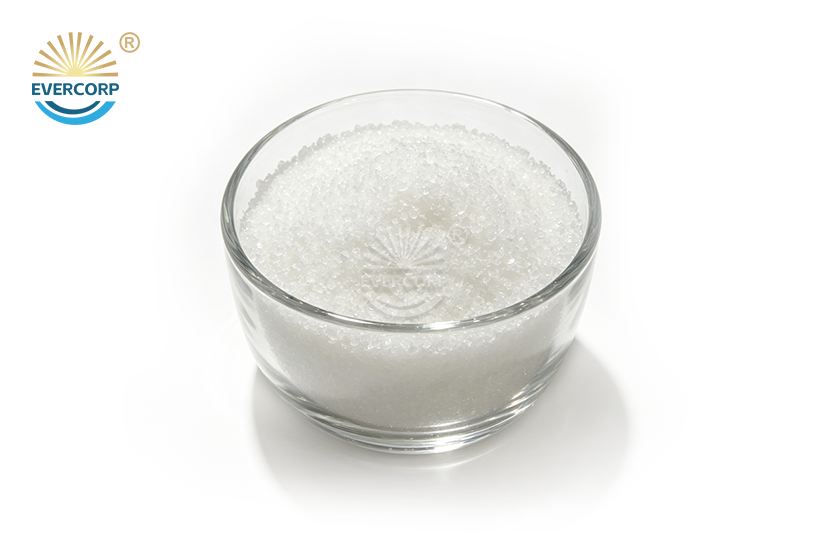
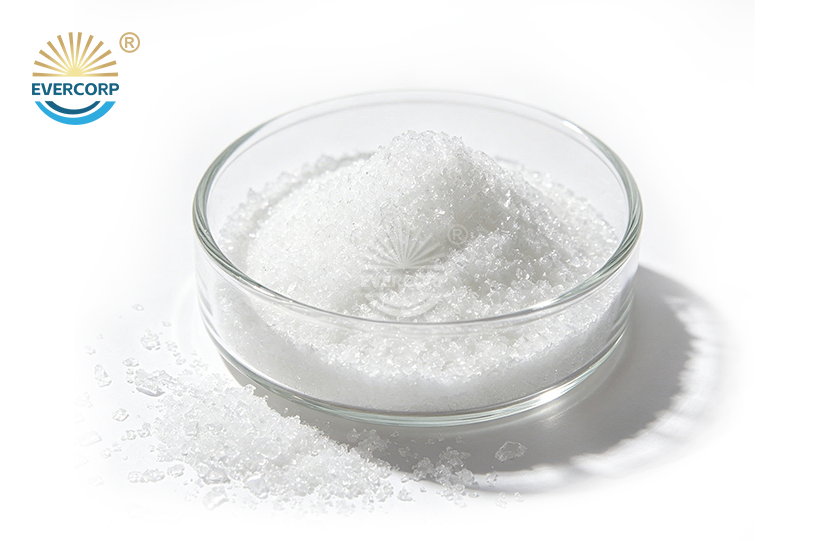
Hydroxycarboxylic acids, lignosulfonates, or phosphate-based chemicals are used in most recipes. The current retarder profile is shown by sodium gluconate, a common example of concrete retarders, a white solid powder that is ≥98.0% pure and has the CAS number 527-07-1. It slows down the setting of concrete for 2 to 7 hours in a way that can be predicted using a dose-response graph that is between 0.05% and 0.15% by weight. This gets rid of the flash-set risks that came with older options based on citric acid or sugar. The 10% solution has a pH range of 6.2–7.8, which makes it compatible with Portland cement chemistry. It also has a low chloride level (≤0.05%), which keeps reinforcing steel from rusting, which is an important factor for the long-term durability of infrastructure.
Practical Application Methods for Site Teams
To use concrete retarders, they need to be carefully mixed into the concrete at the mixing plant or an on-site mixer. As part of quality control, ASTM C403 testing protocols must be followed. These methods measure setting time by entry resistance. Engineers figure out amounts by looking at the temperature, the type of cement, and how long the wait needs to be. To make sure that high-performance mixes with Polycarboxylate Ether (PCE) superplasticizers are compatible, test runs must be made to make sure the rheological stability. Documentation like Certificates of Analysis (COA), Safety Data Sheets (SDS), and Technical Data Sheets (TDS) helps with buying choices by making sure that product specs match project needs and foreign standards for compliance.
Types of Concrete Retarders and Their Best Use Cases
Natural versus Synthetic Formulations
Traditional natural concrete retarders come from refined wood sugars and lignosulfonates, and they work well and don't cost much for everyday use. Synthetic substitutes, such as sodium gluconate, are more consistent and reliable. The second one has technical-grade requirements, such as a loss on drying of less than 0.5%, a sulfate content of less than 0.05%, and heavy metals (Pb) of less than 10 ppm. These requirements make sure that each batch is the same, which is important for quality control in large-scale projects. Synthetic formulas are also more stable when temperatures change, which is why ready-mix manufacturers that serve a wide range of geographic areas where weather changes a lot during building seasons choose them.
Climate-Specific Selection Strategies
For hot-weather concreting in temperatures above 35°C, a strong retarder is needed to slow down the faster rates of drainage and hydration. Specialized formulas keep the workability even after long travel from batching facilities to remote job sites, which stops cold joints from forming in continuous placements. On the other hand, uses that are used in moderate climates may use smaller dosage rates to get shorter delays that work with normal ending plans. Coastal projects that are exposed to high levels of sulfate benefit from formulations that are more resistant to salt and work well with extra cementitious materials like fly ash or slag, which make the structure last longer against harsh climatic conditions.
Compatibility with Cement Types and Mix Designs
Businesses that make ready-mixed concrete need retarders that work with different types of Portland cement, such as Type I/II general-purpose and Type V sulfate-resistant types. When making precast, manufacturers focus on adding ingredients that keep the shape stable during demolding processes. When mass concrete is used in dams or bridge piers, it needs to be mixed in a way that controls the heat of hydration and stops thermal cracking through controlled exothermic reaction rates. Knowing these differences helps purchasing managers choose goods that meet the performance standards of a specific project. This is made possible by technical support teams from manufacturers who offer advice on mix design optimization and on-site training for quality control staff.
Benefits of Using Concrete Retarders in Global Construction Projects
Using concrete retarders and other set-controlling additives in a planned way changes the costs and structure of a project. Longer workability windows keep labor costs low by keeping crews from working extra hours on complicated pours that need continuous placement operations. Enhanced consolidation gets rid of honeycombing and gaps, which makes the finished surface look better and increases the density of the structure. When looked at across big infrastructure projects, these operational benefits add up to real cost saves.
Workability Extension and Cold Joint Prevention
Contractors can put down repeated concrete lifts within critical bonding windows when setting is delayed. This gets rid of weak planes that weaken the structure's integrity. This is very helpful for tall parts like retaining walls or slipform paving, where quality results depend on progress being kept up. EverStar Group's sodium gluconate-based formulas have been used in projects that have reported consistent 3–5 hour workability extensions at 0.10% dosage rates. This allows for smooth finishing across large placements while keeping slump retention, which makes pumping and consolidating operations easier.
Durability Enhancements and Strength Development
When hydration happens more slowly, microstructures become thicker, more regular, and less permeable. This makes it more resistant to chloride attack, sulfate attack, and freeze-thaw cycling, all of which are important factors that determine how long infrastructure will last in sea or deicing salt settings. Lab tests show that retarders that are properly dosed have 28-day compressive values that are higher than 110% of control mixes. This meets the performance standards of ASTM C494 Type B. The resulting buildings are more durable over time, which means they require less upkeep and cost less over their entire life.
Environmental and Sustainability Considerations
Biodegradability traits in modern concrete retarder formulations meet the needs of rising environmental concerns. Products that meet the OECD 301E guidelines biodegrade at least 90% within 28 days, which means they have little to no effect on the environment when they are washed away or accidentally released. Fe³⁺ chelation is better than traditional chelators like EDTA at neutral pH levels (>11), which helps clean up production processes. These traits are in line with what is needed to get LEED certification and with companies' ESG promises. This is especially important for developers who want to get green building recognition or follow the rules in places where the project will affect the environment.
How to Choose the Right Concrete Retarder for Your Project
Project-Specific Performance Criteria
The first step in selecting concrete retarders is figuring out how long the setting delay needs to be based on the placement details and the environment. Engineers set goal slump retention times, end strength benchmarks, and how well the material works with admixture packages that contain water reducers and agents that trap air. Teams in charge of buying things look at certificates from suppliers, like FCC, USP, BP, HALAL, KOSHER, and ISO 9001, to make sure they follow the rules in all foreign markets. Independent testing labs like SGS and Intertek give performance data to well-known makers. This backs up claims with third-party proof that helps with due diligence.
Supplier Reliability and Supply Chain Stability
For infrastructure projects to go smoothly, materials must flow continuously and in time with building plans. Delays that cost a lot of money can be avoided by checking out suppliers' production capabilities, inventory management systems, and transportation networks. With plants ideally placed near major ports and a yearly capacity of more than 50,000 tons, EverStar Group makes sure that there is a steady supply of bulk goods. Standard goods are shipped within three days, and formulas that are made to fit the chemistry of the aggregate or the high sulfate conditions in the area are sent within five to seven days. This responsiveness, along with expert help available 24 hours a day, seven days a week in multiple languages, solves the sourcing problems that foreign contractors and EPC companies working on complicated, time-sensitive projects have.
Cost-Benefit Analysis for Procurement Decisions
With factory-direct pricing, there are no markups for middlemen, so prices are 20–40% lower than through standard routes of distribution. This economic benefit grows when a lot of goods are bought at once, like when building projects need thousands of tons. Procurement managers weigh unit costs against performance predictability and prefer providers with free sample programs that let them try compatibility with local aggregates before placing large orders. Starting at five tons, the minimum order quantity can be met by both large-scale projects and regional distributors building up their stock. Clear price systems make budgeting and keeping track of costs easier throughout the lifespan of a project.
Best Practices for Using and Applying Concrete Retarders
Dosage Calculations and Mixing Protocols
To get an accurate dosage, you need to figure out the amount of filler as a percentage of the cement mass. This is usually between 0.1% and 0.5% by weight of cementitious materials (BWOC). Trial mixes at the site determine the best rates by taking into account the temperature, how the cement reacts, and the time that needs to be allowed. Additives should never be added straight to dry cement. Instead, they should be added during filling or after the first mixing. A regular spread is ensured by mixing the ingredients for at least 90 seconds after they are added. Quality control teams keep an eye on slump loss over time and write down the results so that dosing can be improved for future runs and consistency is maintained across places that last more than one day.
Avoiding Common Application Pitfalls
Overdosing is the most common mistake, which can make setting times last longer or permanently fail, which will need expensive repairs. Such results can be avoided by following the manufacturer's instructions and doing entry resistance tests according to ASTM C403. When older lignosulfonate types are mixed with PCE superplasticizers, they may not work well together. This can lead to segregation or air void instability. Problematic interactions are found during pre-qualification testing before they are used in the field. Conditions of storage are important. Liquid mixtures need to be kept in frost-free, UV-protected areas that stay between 5 and 35°C so that chemicals don't break down and change how well they work.
Safety and Regulatory Compliance
Standard workplace chemical handling methods include wearing eye protection and gloves and making sure there is enough airflow during batching operations. Safety Data Sheets list how to give first aid and clean up a mess. Products that meet FDA, REACH, and regional legal standards help make sure that foreign projects are completed correctly. Environmental management includes keeping waste water in one place and getting rid of it in a way that follows local rules. Regular training for workers of batching plants and field teams keeps safety standards high and makes sure that the right methods are used. Tracking batch tickets, dosage records, and quality test results with documentation systems creates audit trails that help ISO 9001 quality management systems and project specification compliance checks.
Conclusion
Set-controlling admixtures such as concrete retarders have become essential tools for modern building, making it possible to build complicated structures that would not be possible or affordable otherwise. Today's recipes are very complex technically. For example, sodium gluconate-based goods have linear dose-response curves and can be used in many industries. This is the result of decades of progress in chemical engineering. It's helpful for procurement workers to understand these differences so they can choose providers who offer large-scale production, technical know-how, and responsive service methods. As the world's needs for infrastructure grow and people become more concerned about sustainability, it's more important than ever to find partners you can trust who can offer consistent quality, the ability to customize, and full support for the duration of the project.
FAQ
Does retardation reduce final concrete strength?
When used in the right amounts, good retarding additives keep or improve the 28-day compression strength. The slower hydration process makes the crystal structures more regular, which usually leads to 110–115% of the control mix strength required by ASTM C494. At 7, 28, and 90 days, strength tests show performance trends that back the assumptions made during the design phase.
What recovery options exist after accidental overdosing?
When someone overdoses very badly, they need expert help. Options include letting it cure longer at a controlled temperature and humidity level, adding admixtures that speed up the process to make up for the delay, or, in the worst cases, removing and replacing the material. Decisions are based on continuous tracking through security testing. Prevention through correct mixing and training of operators is still the best way to go about things.
How do I verify compatibility with my cement supplier?
Ask for tests of a sample batch using the cement type, materials, and full admixture package that you want to use. As directed by ASTM C403, try the slump retention every 30 minutes for four hours and record the setting time. When using air-entraining products, compare how stable the air content is. Technical representatives from reputable companies are available to help with these tests for free.
Partner with EverStar Group for Reliable Concrete Retarder Supply
We know how hard it is for buying managers to find reliable, high-performance admixtures that meet the exact needs of a project. EverStar Group has been making things for 14 years and has a lot of certificates, such as ASTM C494, EN 934, REACH, HALAL, and KOSHER. They have clients in more than 50 countries, including Fortune 500 companies and leaders in their fields. Our sodium gluconate products work as expected, and because they come from the plant, you can save 20–40% compared to buying from other companies. Email our team at info@cneverstar.com to get free samples that will work with your materials, talk about OEM/ODM customization for specific uses, or look into choices for buying in bulk starting at five tons. Visit everstargroup.cn to access technical documentation and mixing calculators and connect with multilingual support teams ready to help you make the best decisions about your concrete admixture plan.
References
1. Ramachandran, V.S., Malhotra, V.M., Jolicoeur, C., and Spiratos, N. (1998). Superplasticizers: Properties and Applications in Concrete. Ottawa: CANMET.
2. Dodson, V.H. (1990). Concrete Admixtures. New York: Van Nostrand Reinhold.
3. Rixom, R. and Mailvaganam, N. (1999). Chemical Admixtures for Concrete. London: E & FN Spon.
4. American Society for Testing and Materials (2020). ASTM C494: Standard Specification for Chemical Admixtures for Concrete. West Conshohocken: ASTM International.
5. Neville, A.M. and Brooks, J.J. (2010). Concrete Technology. Essex: Pearson Education Limited.
6. Aitcin, P.C. (2016). Science and Technology of Concrete Admixtures. Cambridge: Woodhead Publishing.