What is Concrete Set Retarder and How Does It Work?
A concrete set retarder is a special kind of chemical that slows down the process of cement hydration. This makes it possible to work with concrete for longer before it hardens. Retarders help builders have more control over placement and finishing by slowing down the chemical processes that cause setting. This is especially important during complicated pours, hot weather, or long-haul transportation. This longer workability window stops cold joints, lowers the risk of thermal cracking in mass concrete, and makes sure that big projects all have the same finish on the surface.
Understanding Concrete Set Retarders: Definition and Mechanism
A concrete set retarder works by getting in the way of the early processes that happen when cement hydrates, especially those involving tricalcium silicate (C₃S) and tricalcium aluminate (C₃A). When these additives are mixed into concrete, they stick to the cement particles and make a brief barrier that slows the release of calcium ions and the formation of calcium silicate hydrate (C-S-H) gel, which is what holds concrete together when it hardens.
Chemical Composition and Active Ingredients
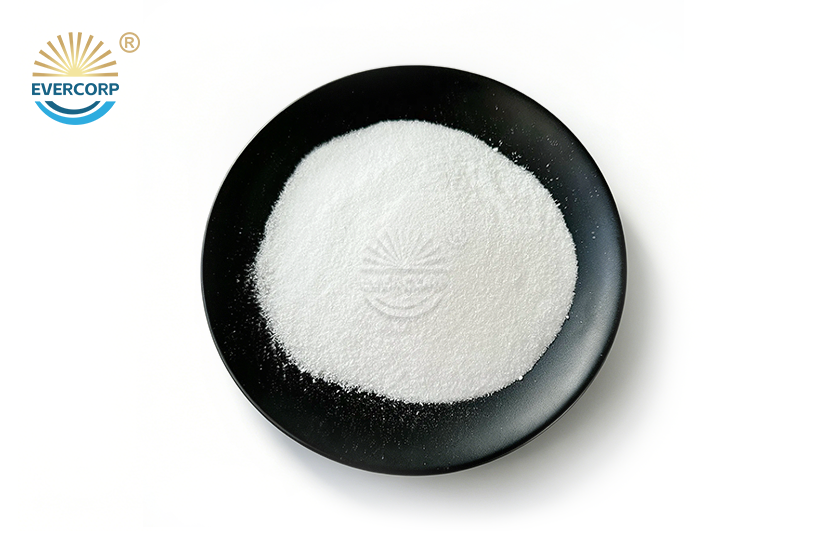
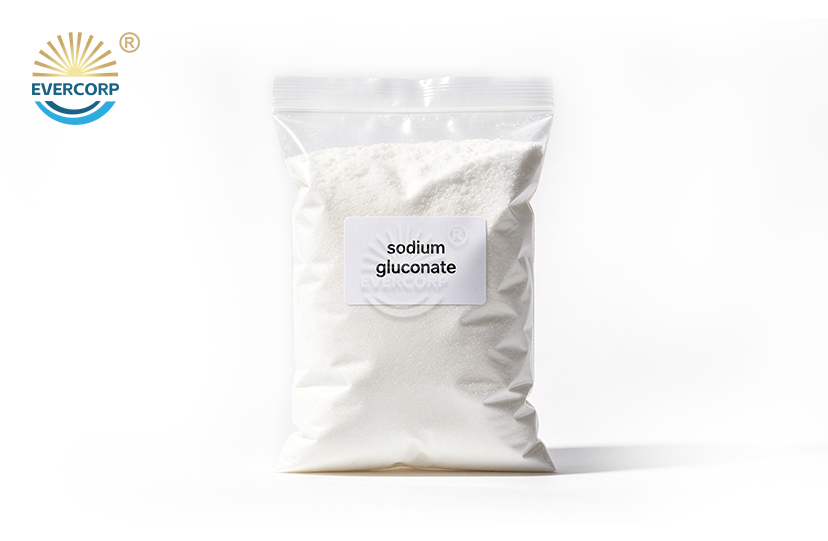
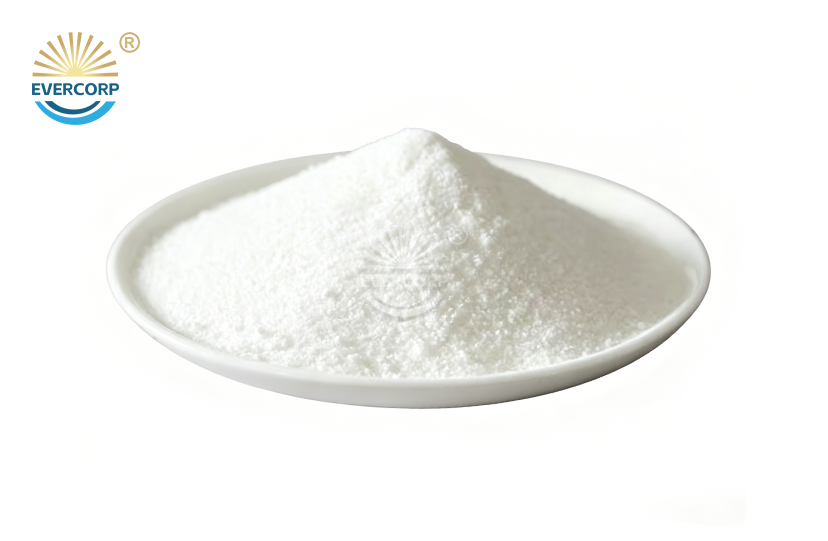
There are three groups of chemicals that most Set Retarders come from. Lignosulfonates, which come from grinding wood pulp, are a cheap way to slow down the building process. Hydroxycarboxylic acids, such as citric and tartaric acids, let you precisely control how long something takes to set and are often used in concrete Applications. A third type is sodium gluconate (CAS 527-07-1), which is a bio-based polyhydroxycarboxylate made by fermenting glucose. This white crystalline powder has a linear, reliable set-controlling effect and doesn't cause flash-sets at any dose. This makes it especially useful for hot-weather concreting where thermal acceleration is a problem.
How Retarders Interact with Cement Hydration
Retarders make the dormant phase last longer before the acceleration phase starts during the induction stage of cement drying. This wait time lets the concrete stay flexible for a longer time, usually an extra two to four hours, based on the amount used and the weather. The process involves attracting calcium ions and building complexes with early hydration products. This stops the growth of C-S-H crystals for a short time. It's important to note that this delayed hydration often leads to higher long-term compressive strength when used at the suggested doses. This is because the slower reaction makes the microstructure more regular and thick.
Types and Advantages of Concrete Set Retarders
There are different types of concrete set retarders used in the building business, and each one is made for a specific job and set of performance needs. When buying managers know these differences, they can better match goods to project needs while also getting the best quality and value for money.
Natural vs. Synthetic Retarders
Some natural slowing agents are refined sugars and lignosulfonate products. They provide mild slowing at low costs. For normal ready-mix jobs where exact time is not as important, these materials work well. Synthetic retarders, like phosphates and gluconates, offer more consistent performance and more accurate doses. For example, sodium gluconate is very good at chelating iron at an alkaline pH of 10–13, so it can be used as both a set retarder and an industrial chelating agent. Because it can be used in so many ways, it's a star product in the water treatment, building, and commercial cleaning industries.
Surface-Applied vs. Integral Admixtures
Surface retarders are put on formwork or concrete surfaces to keep the top layer from setting too quickly. This lets the gravel finishes show through. Integral admixtures are added right into the concrete batch, so they slow down the pour evenly throughout. Integral goods, like sodium gluconate, keep the same quality over large amounts. This lowers variation and ensures reliable performance in important building projects like airport runways and dam foundations.
Key Performance Advantages
Using retarders has more benefits than just extending time. They keep the previous layer bondable when the next lift is put down, which stops cold joints from forming in straight pours. In buildings made of mass concrete, retarders lower the peak heat of hydration. This lowers the thermal differences that cause cracks. Extended transport windows are good for ready-mix makers because they let their products get to rural places or through crowded cities without affecting their ability to work. The surface finishes are better because workers have enough time to trowel, texture, and apply the drying product before it starts to set.
How to Use Concrete Set Retarder Effectively in Construction Projects
Pay close attention to the amount of concrete set retarder you use, how you mix it, and the surroundings when you're doing it. If procurement managers know about these technology issues, they can choose goods that work well with current processes and avoid common problems.
Dosage Guidelines and Mixing Protocols
The usual dose is between 0.2% and 0.5% of the cement's weight, but this can change depending on the temperature, the type of cement, and the length of time you want the delay to last. To stop heat growth, higher temperatures need higher doses. To make sure that the high-purity sodium gluconate (≥98.0% purity) is spread out evenly in the mix, exact mixing equipment is needed. The additive should never be put on dry cement; it should be added to the mixing water or mixed in during the building process. If you use too much, it can cause delays that last for days, but if you keep the concrete wet, it will finally set and reach its original strength.
Application Scenarios and Case Studies
Retarders are used to control the heat of hydration in mass concrete projects like building dams and raft supports that are more than two meters thick. In these situations, delayed setting lets the core temperature drop slowly, which stops delayed ettringite formation and thermal cracks. Long-haul ready-mix companies that work on building projects in rural areas use retarders to keep the mix pumpable after more than 90 minutes of travel. Surface retarders are used in decorative architectural concrete to make visible gravel finishes. The final surface's aesthetic quality depends on how well the timing is done.
Safety and Compliance Considerations
Individuals handling sodium gluconate need to wear normal safety gear like gloves and safety glasses, even though it is not as harmful as other chelators. To avoid caking, storage should take place in cool, dry places that are away from moisture. The product doesn't contain any chloride (≤0.05% chloride content), so there are no risks of reinforcing rusting. It meets the standards set by ASTM C494 Type B and EN 934-2. Sodium gluconate is easy to deal with because it breaks down naturally. According to OECD 301E testing procedures, it breaks down over 90% in 28 days.
Choosing the Right Concrete Set Retarder for Your Projects
To choose the best concrete set retarder, you have to weigh technical performance, legal compliance, supply chain stability, and the total cost of ownership. For B2B buyers to find solutions that meet both short-term project needs and long-term planning goals, they have to look at a lot of different factors.
Technical Performance Criteria
Modern concrete mixes must be compatible with polycarboxylate superplasticizers because many projects need both high flowability and long workability. The polyhydroxycarboxylate structure of sodium gluconate makes sure that it works well with PCE mixtures without interfering with them. It can be used with different types of cement, including high-volume fly ash (HVFA) concrete, because the 10% solution has a pH range of 6.2 to 7.8. However, doses must be carefully adjusted because fly ash already slows down the curing process. Products should have linear set delay curves that let engineers accurately predict setting times even when temperatures change.
Certification and Quality Assurance
For global building projects to work, the materials used must meet a number of worldwide standards. For food-grade uses, high-quality goods have approvals like FCC (IV), BP, and USP. For construction-grade uses, they have REACH, HALAL, KOSHER, and ISO 9001. Third-party testing by SGS and Intertek makes sure that requirements like heavy metal content (≤10 ppm Pb), sulfate levels (≤0.05%), and reducing chemicals (≤0.5%) are met. These licenses are very important for companies that buy things from the government and work with Fortune 500 companies like CEMEX and BASF.
Supply Chain and Procurement Strategy
When compared to distributor markups, factory-direct prices from dependable sources cut costs by 20–40%, which is a big deal for big projects that need hundreds of tons of admixture. The minimum order quantity of about five tons strikes a good mix between ease of access and savings of scale. Standard goods should ship within three days, and personalized formulas made for local aggregates or high-sulfate coastal areas should arrive within five to seven business days. Lead times are very important for building plans. Being close to ports lowers the cost of shipping, and technology support teams that speak multiple languages make sure that everyone can understand each other across global operations.
Sustainability and Environmental Responsibility
Biodegradable alternatives to chelators like EDTA and NTA are given top priority by buying plans that are on the cutting edge. The bio-based source of sodium gluconate from glucose fermentation is in line with green building efforts and LEED certification standards. Suppliers who agree to reduce carbon emissions by a certain percentage by 2030 are in line with ESG business standards that are becoming more and more important to institutional owners. Because it can be used as both a concrete retarder and an industrial chelating agent, it makes it possible for multiple departments to buy in bulk, which streamlines supply chains and lets companies take advantage of big savings.
Optimizing Concrete Performance with Set Retarders: Best Practices
To get the most out of retarding admixtures, you need to know how they work with other parts of the mix and how new technologies will change the way building is done in the future. Integrating a concrete set retarder into your formulation strategy ensures stability during complex placements.
Synergistic Formulation Strategies
When you mix retarders with other admixtures, you can make concrete with qualities that are exactly what the engineering needs. When retarders are mixed with air-entraining agents, the resistance to freeze-thaw is better in cold places, and the workability stays the same during placement. Water-reducing retarders (ASTM C494 Type D) do both. They lower the amount of water to cement while also making the setting time longer. This makes them perfect for high-strength jobs that need low leakage. Because sodium gluconate is so good at chelating iron, it keeps white concrete mixes from turning colors when they come into contact with iron-rich materials or groundwater.
Hot Weather Concreting Protocols
When the temperature outside is higher than 30°C (86°F), soaking happens much faster, which can cause the material to stiffen before it's fully cured. Protocols that work well in hot weather include pre-cooling the materials, using chilled mixing water, and increasing the amount of retarder by 0.1 to 0.2 percent for every 5°C rise in temperature above 20°C. The straight performance curve of sodium gluconate gets rid of flash-set risks even at high doses, giving you safety gaps in case field conditions are worse than you thought. Continuous tracking with maturity meters helps keep track of the rate of water and make dynamic changes to placement plans.
Emerging Technologies and Innovations
Smart admixtures with IoT-enabled sensors claim to let you watch how concrete sets in real time and let the mix and site management tools talk to each other wirelessly. These new ideas will make it possible to predictably change the amount of retarder needed based on real temperature patterns instead of guesses. New retarders that use nanotechnology are being made so that molecular-level water rates can be controlled even more precisely. People who work in procurement who keep in touch with innovative sources get early access to new technologies. This gives them an edge when taking on difficult projects with strict quality standards.
Conclusion
By understanding how concrete set retarders work and choosing the right goods, you can turn difficult building problems into tasks that you can handle. Delays make materials easier to work with for longer, stop them from cracking when heated, allow them to be shipped over long distances, and make the surface better in a wide range of situations. Sodium gluconate is a great example of current additive technology because it is bio-based, has multiple uses, and performs consistently while being very environmentally friendly. When purchasing managers put an emphasis on high-purity formulations, thorough approvals, and reliable supply lines, their companies are better prepared to complete large-scale building projects while keeping costs low and environmental goals in mind.
FAQ
Does using a set retarder reduce final concrete strength?
No, when dosed properly, delayed concrete usually has the same or higher 28-day compressive strength as mixes that haven't been fixed. The slower drying process makes the crystal structure more organized and have fewer empty spaces, which makes it last longer. Studies have shown that properly delayed concrete can become 5–10% stronger because the particles are better packed together and there is less microcracking.
How do I determine the correct dosage for my project?
How much to use varies on the temperature of the area, the type of cement, how long of a wait is wanted, and how well it works with other ingredients. Starting points are usually between 0.2 and 0.5 percent by weight of the cement. These can be changed up or down depending on the weather or the use of other cementitious materials. The most accurate way to figure out the dose is to do test batches with local materials and cement. Reliable sellers offer free samples and expert help to make sure that formulations are as good as they can be before they are made on a big scale.
Are eco-friendly retarders as effective as traditional options?
Modern bio-based concrete set retarders, such as sodium gluconate, work as well as or better than manufactured alternatives. They also have better environmental effects. These materials meet both scientific and environmental standards because they break down over 90% in 28 days and don't leave behind any harmful chemicals. Adopting this chelator is financially appealing because it saves 20–40% on costs compared to competing chelators without lowering quality.
Partner with EverStar Group for High-Performance Concrete Set Retarder Solutions
EverStar Group is ready to help you with your building projects by providing high-quality sodium gluconate concrete set retarder and 14 years of experience in the field. With Our Factory-direct supply model, you can connect directly with factories in Southern, Eastern, and Northern China. This cuts out the middlemen and saves you 20–40% on costs compared to other ways of buying things. We work with clients from over 50 countries, such as CEMEX, BASF, and big government building programs. Our track record on difficult projects gives you peace of mind.
Our expert team is available 24/7 to help in multiple languages, create OEM/ODM formulations, and give you free samples so you can test their compatibility with your local rocks. Full certificates like ASTM C494, EN 934, HALAL, KOSHER, REACH, and FDA compliance make sure that the product is accepted by regulators in all places around the world. We can handle both pilot projects and large-scale continuous supply deals because the minimum order size is only five tons and shipping is within three to seven days. As a company that makes concrete set retarders that cares about green science and carbon neutrality, we put 5% of our annual income into research and development to make sure that your projects are always on the cutting edge of technology. Get in touch with info@cneverstar.com right away to talk about your unique needs and get personalized formulation suggestions from our tech team.
References
1. Mindess, S., Young, J.F., and Darwin, D. (2003). Concrete: Structure, Properties, and Materials, 2nd Edition. Pearson Education.
2. Ramachandran, V.S. (1995). Concrete Admixtures Handbook: Properties, Science and Technology, 2nd Edition. William Andrew Publishing.
3. American Society for Testing and Materials. (2017). ASTM C494/C494M-17: Standard Specification for Chemical Admixtures for Concrete. ASTM International.
4. Neville, A.M. and Brooks, J.J. (2010). Concrete Technology, 2nd Edition. Pearson Education Limited.
5. Taylor, H.F.W. (1997). Cement Chemistry, 2nd Edition. Thomas Telford Publishing.
6. European Committee for Standardization. (2009). EN 934-2: Admixtures for Concrete, Mortar, and Grout - Part 2: Concrete Admixtures. CEN Brussels.