Concrete Retarder Chemical Explained: Functions and Benefits
Controlling the setting time of concrete becomes a very important engineering problem when planning big building projects or high-temperature concrete pours. As a special additive, a concrete retarder chemical slows down the hydration of the cement. This makes the concrete easier to work with while keeping its ultimate power. Flash-setting risks, cold joint formation, and slump loss during transport are all issues that ready-mix plants, infrastructure builders, and precast makers all over the United States have to deal with. This technology directly fixes these issues. Procurement managers and technical experts can cut down on material waste, speed up projects, and make sure structures stay strong in tough building sites by knowing how these additives work and choosing the right formulation.
What Is a Concrete Retarder Chemical, and How Does It Work?
Set delay additives work by slowing down the initial stages of cement's main hydration phases, especially the fast reactions of C3S (tricalcium silicate) and C3A (tricalcium aluminate). These chemicals make a barrier around the cement particles that stops water from getting to them briefly and slows down the exothermic process that makes the cement harden. This makes the plastic last longer, which gives finishers more time to place, harden, and treat the surface.
Chemical Composition and Mechanism
Hydroxycarboxylic acids are often the main factor in modern retardation solutions. Our sodium gluconate-based concrete retarder chemical solution is a typical example of this technology. It has a set delay curve that stays the same for 2–4 hours at a dose of 0.1% in temperatures between 30°C and 35°C. This bio-based compound is better than earlier lignosulfonate or sugar-based alternatives because it has linear, dose-responsive performance that has been proven by isothermal calorimetry testing. This means that engineers can safely change the dosage without experiencing unpredictable acceleration or lasting strength loss.
The molecule stops the formation of calcium silicate hydrate crystals for a short time by attracting and holding calcium ions at the cement-water contact. Normal hydration starts up again after a few hours of the protective effect wearing off, often making a harder crystalline material than unretarded mixes. This is the reason why properly mixed retarded concrete often has higher 28-day compression strengths, which goes against the popular belief that delayed setting makes concrete less durable.
Performance Parameters and Technical Specifications
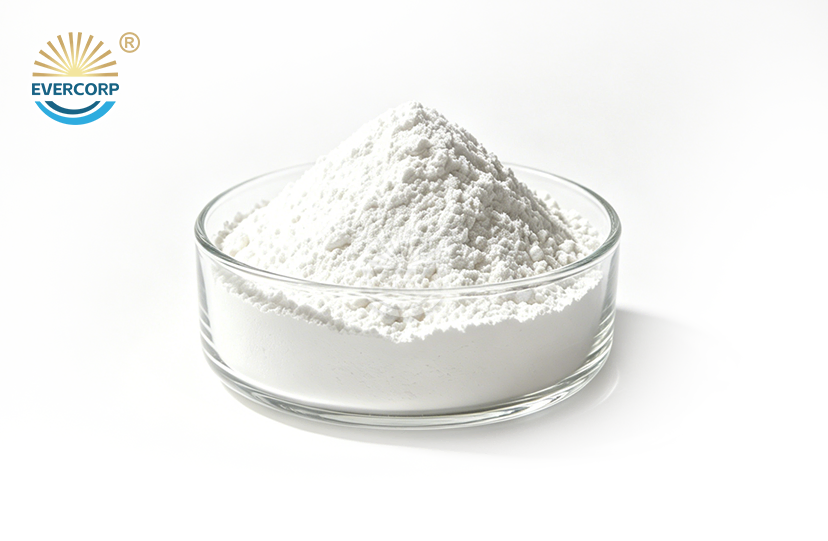
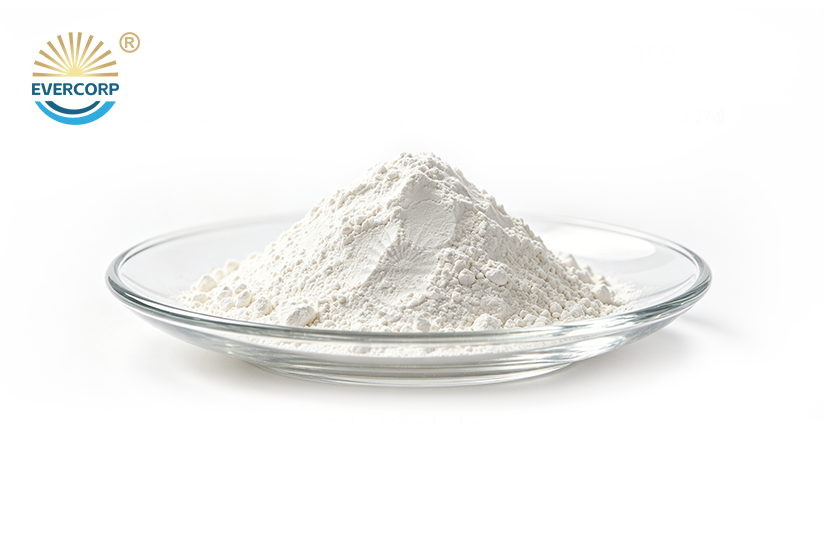
Set control chemicals of high quality must meet strict requirements. Our technical-grade recipe is a white, crystalline powder that is ≥98.0% pure. It keeps the chloride content below 0.05% to keep the reinforcements from rusting, which is an important requirement for building projects that are meant to last 50–100 years. A 10% solution has a pH between 6.2 and 7.8, which means it can be mixed with current polycarboxylate ether superplasticizers that are often used in high-performance concrete.
Some important scientific benefits are that it dissolves in water more than 99% of the time, which means that it spreads evenly even in low-water concrete mixes, and it loses less than 0.5% of its original weight when it dries, which means that it will work the same way in all humidity levels. Heavy metal content stays below 10 parts per million for lead, which supports both food-grade and building uses where strict compliance with regulations is required.
Types and Applications of Concrete Retarder Chemicals
Set retardation technology is used in the building business in two different ways. Each one meets the needs of a different job and provides different benefits to contractors and ready-mix producers.
Admixture-Type Retarders for Mass Concrete
Admixture-type concrete retarder chemical products control hydration across the entire mix when added at the batching plant. This method is necessary for placing large amounts of concrete that are thicker than 1 cubic meter, like dam foundations, bridge beams, or raft slabs. The longer setting window controls the heat of hydration to stop thermal cracking. This lets repeated lifts bond chemically instead of making weak cold joints.
Infrastructure workers who work on airport runways and tunnel linings like how flexible this is for their planning. A normal workability window of 90 minutes can be extended to 4–6 hours to account for things like traffic jams, broken equipment, and the difficulties of coordinating work on urban building sites. The technology also cuts down on the need for emergency concrete rejection, which wastes material and causes delays that cost projects $500 to $2,000 per cubic yard.
Surface Retarders for Exposed Aggregate Finishes
Formulations that are added to the surface only slow down the top 3–8 mm of the concrete skin. The rest of the mixture is left to set normally. Once the inside is strong enough, workers pressure-wash the layer that has been delayed, revealing the artistic aggregate needed for architectural concrete, textured sidewalks, or bridge deck overlays that need to mechanically connect with later pours.
This two-step process solves a long-standing problem in the production of precast concrete: form change rates need to be balanced with standards for good looks. When compared to mechanical abrasion methods, this method lets producers strip forms on time while still getting the desired surface roughness. This increases facility output by 20–30%.
Application Across Environmental Conditions
In southern states like Texas, Arizona, and Florida, where it gets hot, careful control of the delay is needed for hot-weather concreting. When temperatures are outside of 30°C or higher, the rate of evaporation can cause the material to tighten before it has fully consolidated. Our sodium gluconate version is more stable at high temperatures than lignosulfonate alternatives. It keeps working as well at retarding growth without having to keep increasing the dose in a way that costs a lot and raises the risk of overdose.
On the other hand, products that will be used in cold weather below 10°C need lower doses or different mixtures of accelerators. We give our technical support teams region-specific dosing tools that take into account the type of cement (Type I/II Portland, blended cements with fly ash or slag), the temperature of the rock, and the strength gain needs of the project. This ability to customize has been especially useful for EPC companies in North America who are in charge of projects with different climates.
Comparing Concrete Retarder Chemicals: Choosing the Best Fit for Your Project
Buying things depends on knowing what makes one performance different from another and how that affects both short-term usability and long-term structure results. Not all retardation technologies work the same way, and choosing goods that aren't the best can throw off project timelines and costs.
Performance Benchmarks and Compatibility
For building admixtures to work, they need to be predictable, which means that setting times can be accurately predicted even when site conditions change. Our special recipe does this with a dose-response relationship that is linear. This means that for every 0.05% increase in dosage, the benefits last for an extra 60 minutes without stopping all of a sudden. This is very different from sugar-based retarders, which can behave in a way that isn't linear, which can cause either not enough delay or terrible extended-set scenarios.
Economic and Environmental Considerations
Another important review factor is how well the product works with other cementitious materials. Adding fly ash or silica dust to a mix changes how it works compared to systems that only use Portland cement. We use ASTM C403 penetration resistance methods to test each client's cement source and SCM blend to make sure they are compatible. This way, we can give mix design engineers proven performance data instead of vague product claims.
The full cost of ownership includes more than just the purchase price. It also includes dosage rates, shipping costs, and environmental compliance. If you compare the performance of our bio-based sodium gluconate solution to manufactured options like EDTA or NTA, it saves you 20–40% on costs. The molecule's 60–70% smaller carbon footprint meets the standards for LEED v4.1 credits and companies' ESG promises, which are becoming more important for infrastructure projects that the government pays for.
Eco-Friendly Solutions and Industry Trends
Because the product has both food-grade and technical-grade Certifications (FCC, USP, BP, HALAL, KOSHER), distributors can serve both the building and food/pharma markets. This makes inventory management easier and lowers the minimum order number requirements. This flexibility has been especially helpful for chemical wholesalers that want to improve their ties with suppliers and make the buying process more efficient.
Sustainability-focused purchasing teams now give more weight to recipes that break down quickly and meet OECD 301E standards. Our answer breaks down over 90% within 28 days, supporting EU Ecolabel and Nordic Swan certifications for environmentally conscious requirements. This is different from older retarders made of phosphates, which stay in the groundwater and pose a risk of eutrophication in areas that are sensitive to building sites.
Procurement Insights: How to Buy Concrete Retarder Chemical for Industrial Use
When looking for set retardation additives strategically, you need to find a balance between technical performance, supply chain stability, and total landing cost. This is especially important for companies that manage multiple project sites or a lot of material each year.
Supplier Evaluation Criteria
Certifications for production are the first step in figuring out credibility. Our production facilities are ISO 22000 and FSSC 22000 approved, and we use statistical process control and strict quality assurance methods to make sure that each batch is the same. A Certificate of Analysis (COA) is included with every package. It lists 18 quality factors, such as purity, chloride level, heavy metal limits, and pH stability.
Regional access has a big effect on how projects are scheduled. With three carefully placed factories in the Southern, Eastern, and Northern production zones and an inventory of more than 500 metric tons, we can promise shipping times of 7 to 10 days across the entire United States. This infrastructure gets rid of the 4–6 week delays that come with only using foreign sources. This keeps expensive projects from being halted when demand suddenly rises.
Minimum Order Quantities and Pricing Models
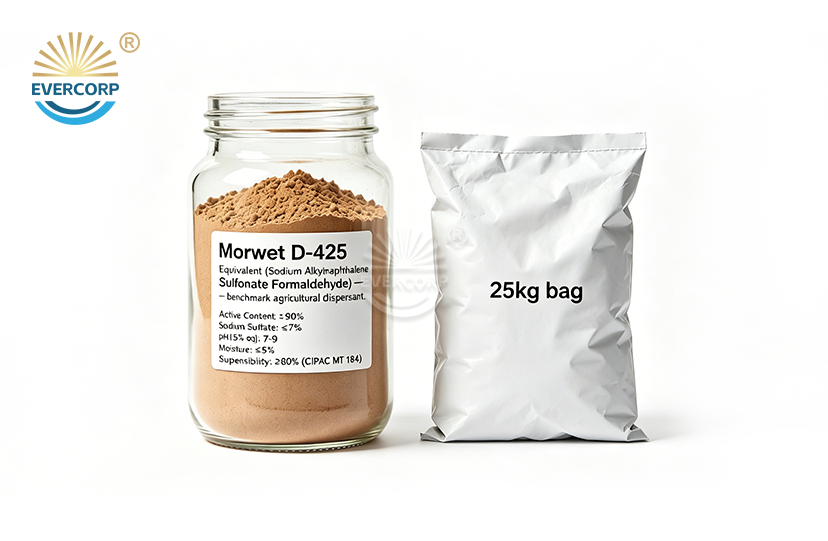
We know that the amount of concrete additive used changes a lot depending on when a job is started and how much demand changes with the seasons. The usual minimum order number of 5 tons works for both medium-sized ready-mix businesses and big infrastructure builders without making them pay too much to keep inventory on hand. Bulk tanker transport choices (20–25 tons) offer extra savings for customers who buy a lot, while 25 kg bags and intermediate bulk containers (IBCs) help precast producers who need a lot of different product SKUs.
Comparing Technical Support and After-Sales Service
With factory-direct pricing, there are no markups for distributors, which usually raise prices by 20–40%. This directly addresses the buying pain point of middle-man costs. Volume commitment price tiers reward yearly purchase agreements while keeping flexibility through quarterly true-up provisions that adjust for real consumption. This structure is especially valued by EPC firms whose demand patterns are based on projects.
More than just delivering products is needed to optimize the success of a mixture. Our 24/7 international technical support team helps with mix design calculations, making dose changes on-site, and fixing problems that happen when the set doesn't act the way it should. We offer free samples (5–10 kg) for trial batch confirmation with our customers' local aggregates and cement sources. This is an important service because the chemistry of raw materials can vary from place to place, which can affect how well an admixture works.
Concrete Retarder Chemical Safety, Shelf Life, and Best Practices
When admixtures are used on an industrial scale, they need to be stored and handled in a way that protects both worker health and product performance throughout the supply chain.
Handling Protocols and Worker Protection
Compared to other formulations, sodium gluconate-based concrete retarder chemical products pose the lowest handling risk. Because it is a solid powder, it doesn't corrode like liquid acids do, and its near-neutral pH (6.2–7.8 in solution) keeps your skin and eyes from getting irritated like alkaline additives do. Personal safety equipment suggestions include standard dust masks for handling bags and gloves for long-term skin contact. Batching plant workers already know these rules.
Storage Conditions and Shelf Life Management
The steps for containing a spill are the same as those for other dry chemical additions. Because the product dissolves easily in water, mistakes can be cleaned up and used again if they are not contaminated. This cuts down on material loss. The environment doesn't get affected much because the chemicals break down quickly. However, big spills near waterways should be contained according to normal chemical handling procedures to avoid pH changes in the area.
With proper storage, a product can last for 24 to 36 months before it stops working. For storage, temperatures must stay between 5°C and 35°C and relative humidity must stay below 65% to stop moisture absorption that can lead to caking. We suggest putting no more than five bags high on a pallet (using 25 kg packaging) and rotating your collection once a month to make sure the oldest items run out first.
Impact on Curing Duration and Long-Term Durability
Cement dust and other particles from the mixing machine can't get into sealed containers. After being opened, bags should be closed again or the contents should be moved to carriers that won't get wet. Quality control tests, which can be as easy as checking the pH and purity of the product with standard lab tools, can confirm that the product is still good for use even though it is getting old. However, proper keeping usually keeps the product fully compliant with all specifications for the entire shelf life.
A common technical problem can be solved by figuring out the connection between retardation and power growth. The final soaking process takes the same amount of time as unretarded concrete, but the initial setting process takes an extra two to four hours at normal doses. Seven-day strengths usually hit 70–75% of 28-day values, which is enough for most structural uses that need early form removal or post-tensioning.
Conclusion
When you master set delay technology, putting down concrete stops being a race against time and becomes a controlled, quality-focused process. Sodium gluconate-based concrete retarder chemical admixtures combine performance reliability, environmental responsibility, and cost efficiency.They solve the main problems that procurement managers, technical experts, and project schedulers have all at the same time. This chemistry is perfect for building builders, ready-mix makers, and precast manufacturers who have to deal with projects that get more complicated because it has predictable retardation curves, works with current concrete systems, and can be certified in two different ways. Companies can get rid of the quality problems and supply problems that threaten project success by working with providers who offer technical-grade manufacturing standards, quick shipping, and full support services.
FAQ
Does excessive dosage permanently prevent concrete from hardening?
If you severely overdose, the plastic stage can last for several days, but as long as the concrete stays wet, it will finally reach its full strength. According to research, delayed hydration often leads to thicker microstructures that have higher final compressive strengths than control mixes.
Can retarders be combined with superplasticizers in the same mix?
It works well with polycarboxylate ether superplasticizers, but test batches should be made to make sure that the right mix keeps the appropriate slump retention and setting patterns. Some versions have synergistic benefits, which means that less of both admixtures is needed.
How does ambient temperature affect dosing requirements?
There is an exponential link between temperature and retardation. For every 10°C rise in concrete temperature, the rate of moisture doubles. Dosage changes of 0.03–0.05% per 5°C keep the working time the same on sites with different conditions. However, the exact needs rely on how the cement reacts and the project requirements.
Partner with EverStar Group for Reliable Concrete Retarder Chemical Supply
EverStar Group has been making admixtures for 14 years and can help buying teams find a reliable concrete retarder chemical source. Pharmaceutical-grade sodium gluconate that is ≥98% pure is made in facilities that are ISO 22000 approved. These facilities also meet the requirements of ASTM C494, EN 934, FDA, HALAL, and KOSHER. We keep more than 500 metric tons of inventory in carefully placed plants near major ports. This lets us send standard orders in three days and make special formulations that work with the cement chemistry or high-sulfate coastal environments in your area in five to seven days.
Our OEM/ODM services go beyond just supplying products; our expert teams offer free sample testing with your local aggregates, 24/7 help in multiple languages, on-site training, and full documentation sets with mixing tools and usage videos. You can place an order for as little as 5 tons, and you can choose from different types of packing, such as 25 kg bags, IBCs, and bulk tankers. If you buy directly from the plant, you can save 20–40% compared to buying through distributors. Email info@cneverstar.com to get samples or talk about how our bio-based, easily recyclable retarder product can help you make your next infrastructure project better while also helping you meet your sustainability goals.
References
1. Ramachandran, V.S., Concrete Admixtures Handbook: Properties, Science, and Technology, Second Edition, Noyes Publications, 1995.
2. Kosmatka, S.H., Kerkhoff, B., and Panarese, W.C., Design and Control of Concrete Mixtures, 14th Edition, Portland Cement Association, 2008.
3. Neville, A.M., Properties of Concrete, Fifth Edition, Pearson Education Limited, 2011.
4. ASTM C494 / C494M-19, Standard Specification for Chemical Admixtures for Concrete, ASTM International, West Conshohocken, PA, 2019.
5. ACI Committee 212, Report on Chemical Admixtures for Concrete (ACI 212.3R-16), American Concrete Institute, Farmington Hills, MI, 2016.
6. Jolicoeur, C. and Simard, M.A., Chemical Admixture-Cement Interactions: Phenomenology and Physico-Chemical Concepts, Cement and Concrete Composites, Vol. 20, 1998.