Concrete Retarders
Purity: ≥98.0% (Food/Tech grade)
Loss on Drying: ≤0.5%
Chloride: ≤0.05%
Sulfate: ≤0.05%
Heavy Metals (Pb): ≤10 ppm
Reducing Substances: ≤0.5%
pH (10% solution): 6.2-7.8
CAS: 527-07-1
Grade: Food Grade / Technical Grade
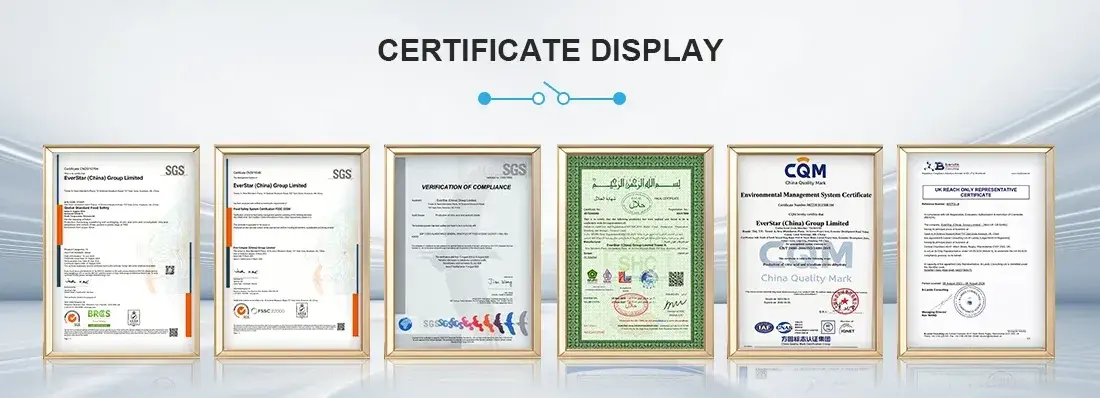
Certifications: FCC, USP, BP, HALAL, KOSHER, ISO 9001
Concrete Retarders: Professional Set-Control Solutions for Modern Construction
EverStar Group delivers industrial-grade concrete retarders engineered for professionals who demand predictable set control without compromising long-term concrete performance. Backed by 13+ years of chemical manufacturing expertise, a dedicated 5,000-ton inventory capacity, and EU REACH registration, we supply high-purity retarding solutions to construction projects in more than 50 countries worldwide.Our sodium gluconate powder products maintain purity levels of ≥98.0% for industrial Applications, with chloride ion content ≤0.05% to help minimize reinforcement corrosion risk. Functioning as ASTM C494 Type B retarding admixtures, they provide reliable hydration control for ready-mix concrete, mass pours, and high-temperature construction environments.Under standard dosage conditions, concrete working time can typically be extended by 2–7 hours, with up to 8 hours achievable under optimized temperature and cement conditions. Under equivalent slump conditions, 28-day compressive strength can exceed 110% of control concrete, delivering both extended workability and dependable structural performance.

What Are Concrete Retarders and Why Do You Need Them?
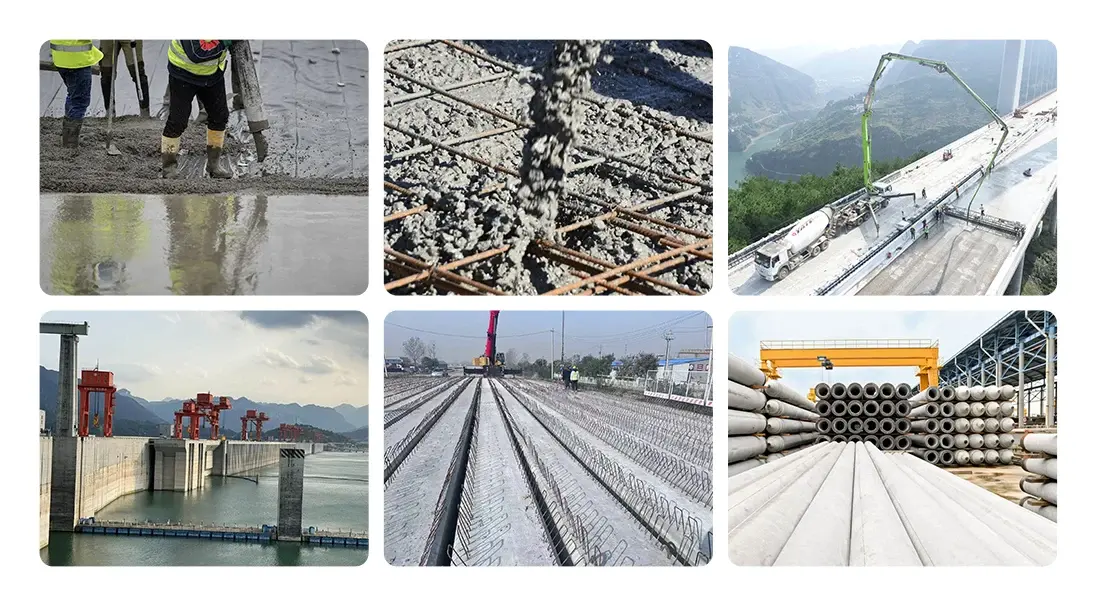
Set Retarders are chemical admixtures that slow the hydration process of cement. You need them when:
- Hot weather accelerates setting too quickly
- Long-distance transport requires extended workability
- Complex placements demand extra finishing time
- Cold joints must be prevented in large pours
Our formulations work by temporarily blocking cement particle surfaces. This gives you controlled dormancy without killing the hydration reaction. Once the retardation period ends, strength development catches up and often exceeds standard concrete.
Technical Specifications
|
project |
index |
|
Appearance |
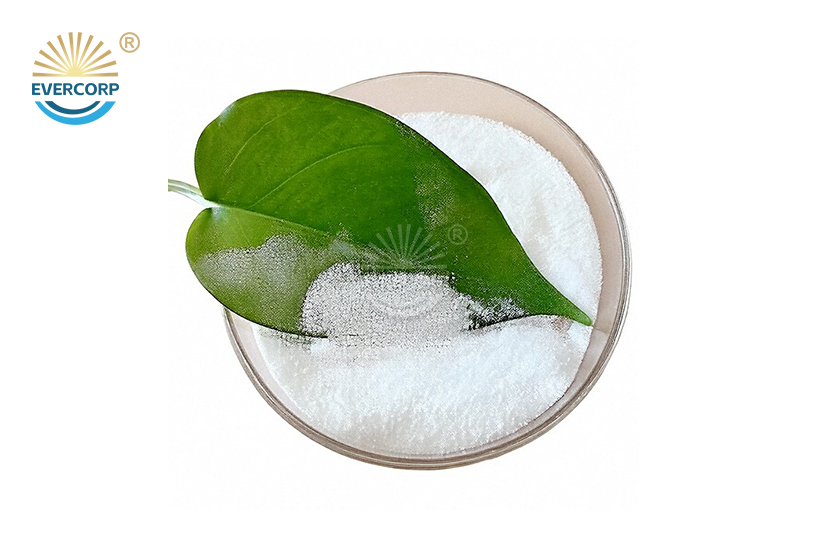
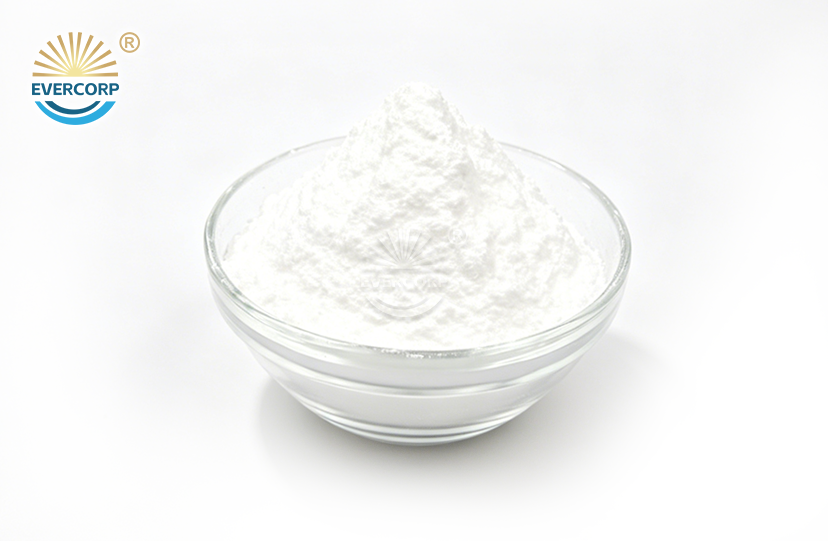
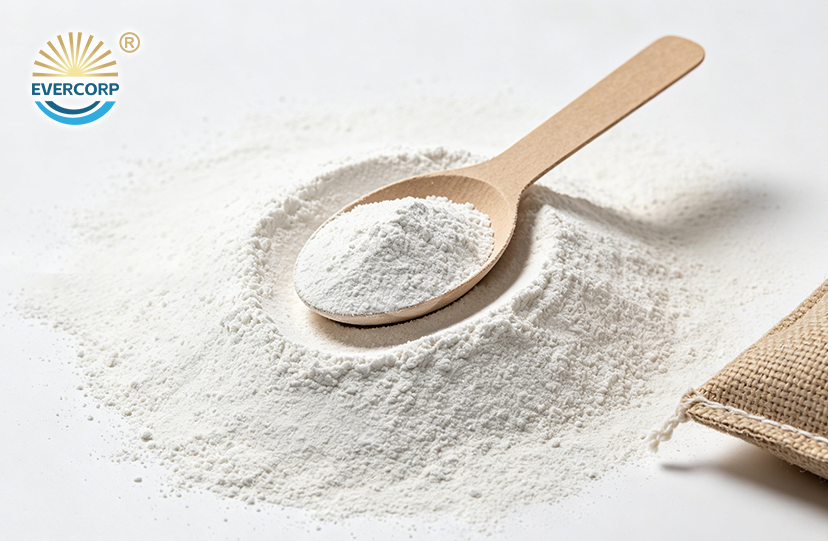
White to pale yellow crystalline powder |
|
Product purity |
Industrial applications ≥98.0%, food applications ≥99.0% |
|
Chloride ion content |
≤0.05% |
|
Alkali content |
≤0.5% |
|
Retarding time |
Conventional blending time is 2-7 hours, while extreme blending time is up to 8 hours (affected by temperature and cement type). |
|
28-day compressive strength |
For the same slump ≥ 110% of the benchmark; for the same water consumption ≈ benchmark strength |
|
Implementation Standards |
ASTM C494 Type B, EN 934-2 Note: This product in pure powder form is Type B (retarder only); Type D retarder is a custom-made compound product, not pure sodium gluconate. |
Note: Product specifications may be adjusted during product iteration and optimization. Please submit your inquiry to us for the latest data and official COA documents.
How Our Retarders Solve Real Jobsite Challenges?Extended Workability Without Strength Loss
You get predictable retardation curves verified by ASTM C403 penetration tests. No sudden flash-set surprises. No strength sacrifice. Independent lab data confirms our formulations deliver 28-day compressive strengths 110-120% of control batches.
Superior Compatibility with Modern Admixtures
Our retarders blend seamlessly with polycarboxylate superplasticizers (PCE), air entrainers, and viscosity modifiers. Marsh Cone flow tests confirm zero coagulation issues across major cement brands.
Hot Weather Concrete Protection
In ambient temperatures above 30°C, hydration accelerates dangerously. Our Concrete Retarders maintain 4-6 hour workability windows, giving your crews time to place, consolidate, and finish properly.
Large-Scale Pour Management
For establishment mats, flatboat chunks, or mass concrete arrangements, you can't manage cold joints. Controlled hindrance lets progressive clusters bond chemically or maybe than fair mechanically.
Application Guidelines
Dosage Run: 0.2%–0.6% by weight of cement
Addition Strategy: Include to blending water or specifically into mixer
Mix Time: Standard blending length (no alteration needed)
Temperature Run: Viable from 5°C to 45°C
Pro Tips:
- Always conduct trial batches with your specific cement
- Increase dosage by 0.1% for every 5°C above 25°C
- Combine with water reducers for optimal slump retention
Quality Control Standards You Can Trust
EverStar Group operates an in-house ISO-certified laboratory conducting:
- Gravimetric solid content analysis for batch consistency
- ASTM C403 setting time verification on every production lot
- Compressive strength testing at 7, 28, and 56 days
- Chloride and alkali assays to prevent ASR and corrosion
Every shipment includes a Certificate of Analysis (COA) with full traceability. Our 99.5% on-time delivery rate ensures your production schedule stays intact.
Why Construction Professionals Choose EverStar?
Factory-Direct Estimating: No go between markups
24-Hour Custom Definition: Tailor impediment profiles to your climate and cement
Flexible MOQ: From 500 kg trial orders to full holder loads
Technical Back: Chemical engineers accessible for blend plan consultation
Global Coordinations: Demonstrated send out encounter to 50+ nations with proficient packaging
Storage and Handling
Shelf Life: 12 months in unique fixed packaging
Storage Conditions: Cool, dry area (5-35°C), absent from coordinate sunlight
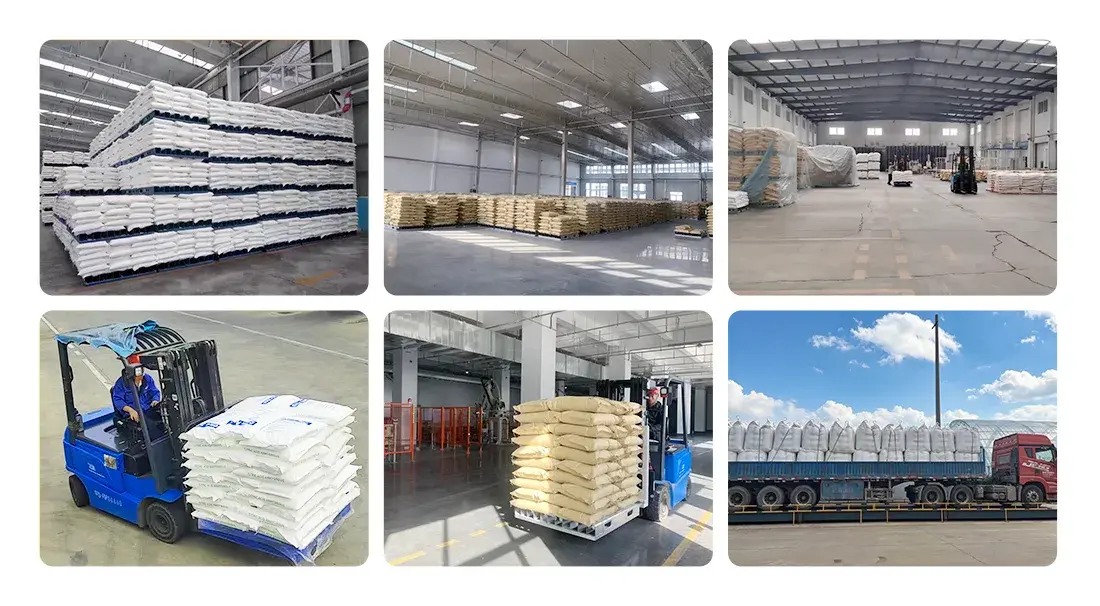
Packaging Choices: 25 kg sacks, 200 kg drums, 1000 kg IBCs, bulk tankers
Safety: Non-hazardous per transport directions; standard PPE recommended
FAQ
Q: Will retarders debilitate my concrete?
A: No. When utilized at prescribed measurements, our items keep up or increment last compressive quality. Lab tests reliably appear 110-120% quality compared to control blends at 28 days.
Q: Can I utilize retarders with fly fiery debris or slag cement?
A: Completely. Our details work with all ASTM C150 cements and supplementary cementitious materials. We suggest a trial clump to optimize dose for mixed cements.
Q: How do I anticipate over-retardation?
A: Adhere to greatest measurement of 0.6% by cement weight. Continuously conduct setting time tests per ASTM C403 some time recently huge pours. Our specialized group can offer assistance calibrate for your particular conditions.
Q: What's the distinction between Sort B and Sort D retarders?
A: Sort B gives impediment as it were. Sort D combines impediment with water lessening (5-12%). We offer both; your choice depends on whether you require droop control nearby amplified setting time.
Q: Do you give tests for testing?
A: Yes. Contact Us at info@cneverstar.com with your cement sort, normal blend plan, and surrounding temperature. We'll dispatch free assessment tests inside 48 hours.
Q: Are your retarders secure for consumable water structures?
A: Our food-grade definitions meet FCC/USP guidelines and are appropriate for water-contact applications. Ask our NSF-certified alternatives for drinking water projects.
Q: Can retarders be utilized in precast concrete?
A: Yes, particularly for amplifying demold times or overseeing morning vs. evening generation cycles. Numerous precast plants utilize retarders to synchronize curing plans over different forms.
Q: How do retarders perform in cold weather?
A: Underneath 10°C, hydration actually moderates. Decrease measurement by 30-50% or counsel our group. For winter concreting, consider our quickening agent item line instep.
Get Started Today
Whether you're a ready-mix producer, precast manufacturer, or general contractor, EverStar Group's Concrete Retarders give you the control you need for flawless placements.
Email: info@cneverstar.com