How VPEG 2400 PCE Monomer Improves Concrete Dispersion?
* When you face inconsistent slump retention and unpredictable concrete behavior, especially in high-sulfate environments exceeding 3.5% SO₃, the solution lies in advanced polyether monomer chemistry. VPEG 2400 Pce Monomer For Concrete delivers superior concrete dispersion by stabilizing cement particle distribution through its unique molecular architecture—approximately 2400 g/mol with ≥96% double bond retention. This vinyl-terminated polyoxyethylene ether enables PCE superplasticizers to maintain over 90% dispersion efficiency where traditional HPEG-based alternatives falter, directly addressing the workability collapse that disrupts your production schedules and increases customer complaints.
- Introduction
Dispersion of concrete is still the key to making it easy to work with, building strength, and making sure it lasts for a long time in modern construction. As the need for infrastructure around the world grows and cement formulas change from place to place, polycarboxylate ether superplasticizers made from high-performance monomers are becoming more and more important. This guide talks about how vinyl polyoxyethylene glycol ether with a molecular weight of 2400 changes the way concrete works for procurement managers, R&D engineers, and technical directors who have to deal with complicated supply chains. We look at chemical properties, how they work, comparing benefits, and buying tactics that can help you get the best formulations, lower costs, and build strong supply partnerships. Knowing these technical facts can help you choose the right raw materials, which can give you a competitive edge whether you're in charge of high-rise projects near the coast or precast operations in places with changing weather.
- Understanding VPEG 2400 PCE Monomer and Its Chemical Properties
(1). Molecular Architecture and Reactive Functionality
Making a polycarboxylate superplasticizer requires careful monomer chemistry. The vinyl-terminated polyether looks like white to off-white flake and has a molecular weight of about 2400 g/mol. Its structure includes a reactive vinyl group that is needed for radical copolymerization and a hydrophilic polyethylene oxide chain that stops the cement from spreading by blocking steric flow. The iodine value (≥8.5 g I₂/100g) and unsaturation value (≥0.35 mmol/g) show that volatile double bonds are present, which is necessary for the chain to grow. With a hydroxyl value of 22 to 28 mg KOH/g, this monomer is a good balance between reactivity and stability. It also allows polymerization to happen at lower temperatures (35 to 45°C) than usual options, which need 55 to 65°C.
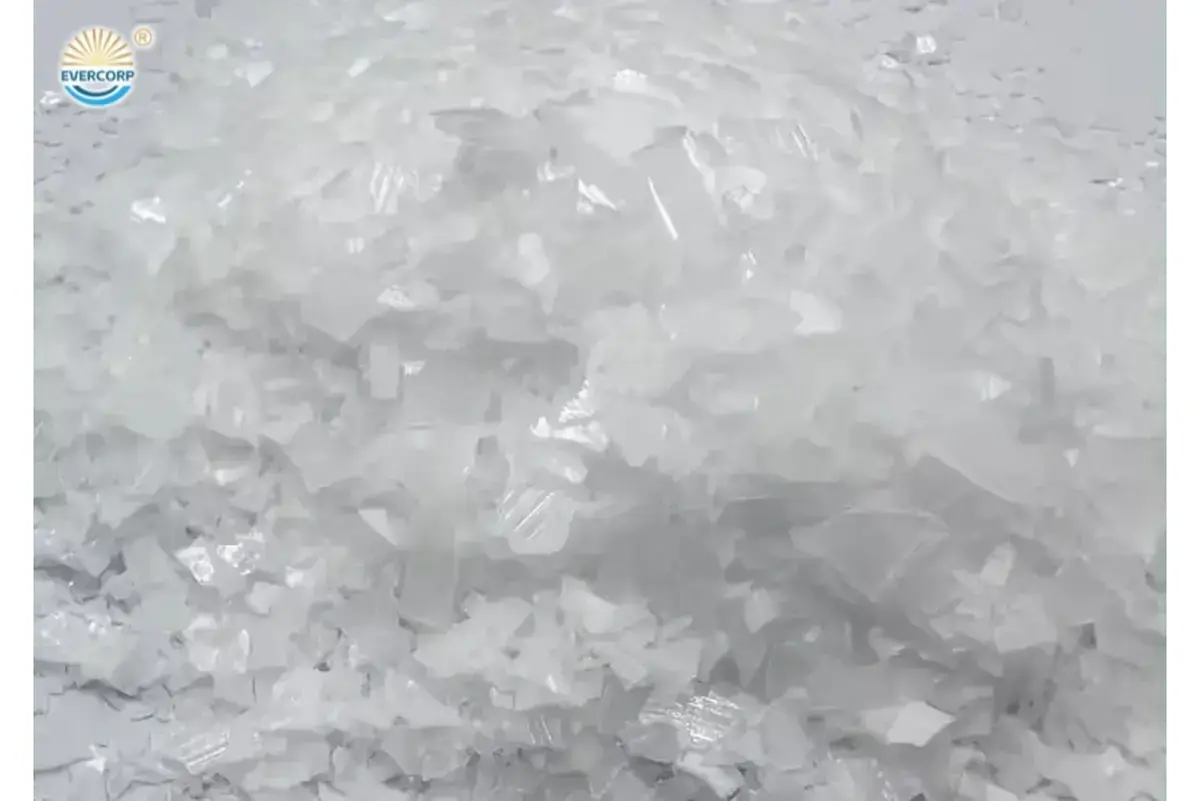

The high solid content (more than 98%) makes sure that moisture doesn't get in the way of storage or polymerization. Stable pH between 5.0 and 7.0 in a 5% water solution stops hydrolysis before it happens and works with most starter systems. This polyether monomer family is known around the world for its superplasticizer uses and has the CAS number 31497-33-3.
(2). Safety and Environmental Profile
Today's construction chemistry needs long-lasting answers. This polyether monomer doesn't have any heavy metals, formaldehyde, or volatile organic compounds that could be harmful to the environment or workers. The white flake form is easier to handle than liquid forms, which lowers the risk of spills and makes storage easier. When mixed into PCE, the mixture meets the standards for LEED approval and helps with carbon reduction efforts—EverStar Group wants to cut carbon emissions by 30% by 2030. Proper storage below 35°C in well-ventilated places keeps the stability of the double bond, which makes sure that the polymerization process works the same way every time.
- How Does VPEG 2400 PCE Monomer Enhance Concrete Dispersion?
(1). Overcoming Traditional Dispersant Limitations
Modern low water-to-cement ratios and long transportation times make it hard for traditional naphthalene-based or lignosulfonate plasticizers to work. When the cement SO₃ content changes, the concrete mixes lose their slump quickly, separate, and set in ways that are hard to predict. When there is a lot of sulfate in the air (SO₃ >3.5%), traditional HPEG-based PCE monomers don't work as well, so they need to be changed with expensive secondary additives like AMPS copolymers. Vpeg 2400 Pce Monomer For Concrete's temperature sensitivity makes cold-weather Applications even more difficult because higher viscosities make it hard for particles to spread out properly.
When factories get cement from more than one source, they have to keep changing the recipe because the pH, sulfate levels, and fineness all change. This variation leads to complaints from customers, batches being thrown away, and more work for quality control. You need a monomer system that works well with a wide range of cement chemistries without having to change the formula.
(2). Advanced Dispersion Mechanisms
This polyether monomer gives rise to polycarboxylate superplasticizers, which work in two ways: electrostatic repulsion and steric hindrance. As the cement hardens, the carboxylic acid groups on the PCE backbone stick to the positively charged cement particles and make negative surface charges that push other particles away. At the same time, the long polyethylene oxide side chains (which come from the 2400 g/mol monomer) reach into the water phase and physically stop particles from sticking together by repelling them.
A molecular weight of 2400 g/mol strikes the perfect balance between having enough chain length for effective steric stabilization and too much viscosity buildup. The high double bond retention (≥96%) makes sure that all monomers are incorporated during copolymerization with acrylic acid. This gets rid of any polyethylene glycol that hasn't been reacting, which could slow down the setting of the concrete. With this design, the cement particles stay separate even as the ionic strength rises due to the breakdown of sulfate. This means that the flexibility lasts for 90–120 minutes instead of 30–45 minutes with other systems.
(3). Application Methods and Dosage Guidelines
To get a 200-250 mm slump in standard C30–C50 concrete mixes, PCE made from this monomer usually needs 0.15–0.30% of the cement weight to be added. For high-strength uses (C60–C80), the dose can be raised to 0.40% without any risks of segregation. The reactive nature of the monomer lets polymerization happen at 35–45°C using standard redox initiator systems (sodium persulfate/sodium bisulfite), which uses 30–40% less energy than HPEG-based processes that need 55–65°C.
Once polymerization is done, the PCE liquid that is left over (usually 30–40% solids) can be added straight to devices that mix concrete. The sulfate-adaptive chemistry keeps the dispersion performance the same for all types of cement, from regular Portland cement to sulfate-resistant blends. This means that when sourcing cement locally, there is no need to make changes to the formulation based on the location. This tolerance goes up to aggregates with up to 2% clay fines, which is a common problem in coastal quarries and makes traditional PCE systems work much less well.
- Comparison and Decision Support: VPEG 2400 PCE Monomer Versus Other Concrete Additives
(1). Performance Advantages Over Acrylic and Alternative Monomers
When you compare polyether molecules, you can see important differences in how well they work. Standard acrylic-based dispersants don't have the long hydrophilic chains needed for effective steric hindrance. Instead, they rely on electrostatic resistance, which doesn't work well in places with a lot of ions. HPEG (methallyl alcohol polyoxyethylene ether) monomers are commonly used, but they are less reactive and need higher temperatures to polymerize, which makes the process more expensive. Because they can't handle sulfates very well, they need to be mixed with an expensive copolymer called AMPS (2-acrylamido-2-methylpropanesulfonic acid), which raises the cost of the formulation by 10–15 percent.
The vinyl-terminated system of Vpeg 2400 Pce Monomer For Concrete is 3–5 times more reactive during radical polymerization, which lets the whole process happen at lower temperatures. This reactivity leads to a PCE with a higher molecular weight and a wider molecular weight distribution. This gives both immediate dispersion and long-lasting slump retention. In the lab, PCE made from this monomer keeps 92% of its original fluidity after 90 minutes at 35°C, while HPEG-based versions only keep 65% of their fluidity under the same conditions.
(2). Molecular Weight Selection: 2400 Versus 1600 Variants
Polyether monomers come in a range of molecular weights, but the most common ones are 1600, 2000, and 2400 g/mol. The variant with a molecular weight of 2400 has longer polyethylene oxide chains that improve steric stabilization. This is especially helpful for high-performance and self-compacting concrete. The 1600 version hardens faster at first but keeps its slump less well over time. This makes it better for precast uses that need to turn over quickly but not so good for transporting ready-mix concrete over long distances.
The best molecular weight choice is directly affected by the amount of cement sulfate you use. When SO₃ levels rise above 3.5%, the longer chains of the 2400 version keep particles apart, even though the ionic strength goes up because the sulfate dissolves. This molecular weight range is very helpful for coastal areas with high-sulfate cements because it keeps the 200 mm slump for 90 to 120 minutes without the need for extra slump-retaining agents.
(3). Real-World Validation and Industry Adoption
This polyether monomer chemistry has led major concrete makers in the Middle East and Southeast Asia to switch to PCE systems. Infrastructure projects, like bridges with dense reinforcement and skyscrapers taller than 300 meters, have better pumpability and self-leveling properties. Due to faster early-strength development, precast makers say mold changeover is 15-20% faster. This doesn't affect the long-term compressive strength. These practical changes lead to measurable cost savings. For example, after moving from naphthalene-based admixtures, one major contractor in a high-temperature region saw 12% lower concrete placement costs over the course of a 24-month bridge project.
- Procurement Insights for VPEG 2400 PCE Monomer: Sourcing and Supply Chain Considerations
(1). Identifying Qualified Suppliers and Distribution Networks
When buying polyether monomers around the world, you have to carefully evaluate each supplier. To make sure the quality is good, it's important to buy from well-known companies that are ISO 9001 certified, REACH registered for European markets compliant for North American uses. EverStar Group has production facilities in the Southern, Eastern, and Northern regions that can make more than 50,000 tons of goods each year. This makes sure that there is a steady supply even when there are problems in one region. Our 5,000-ton inventory capacity covers the 4–6 week shipping times to markets in the Middle East and Southeast Asia, reducing the risk of running out of stock, which can throw off production schedules.
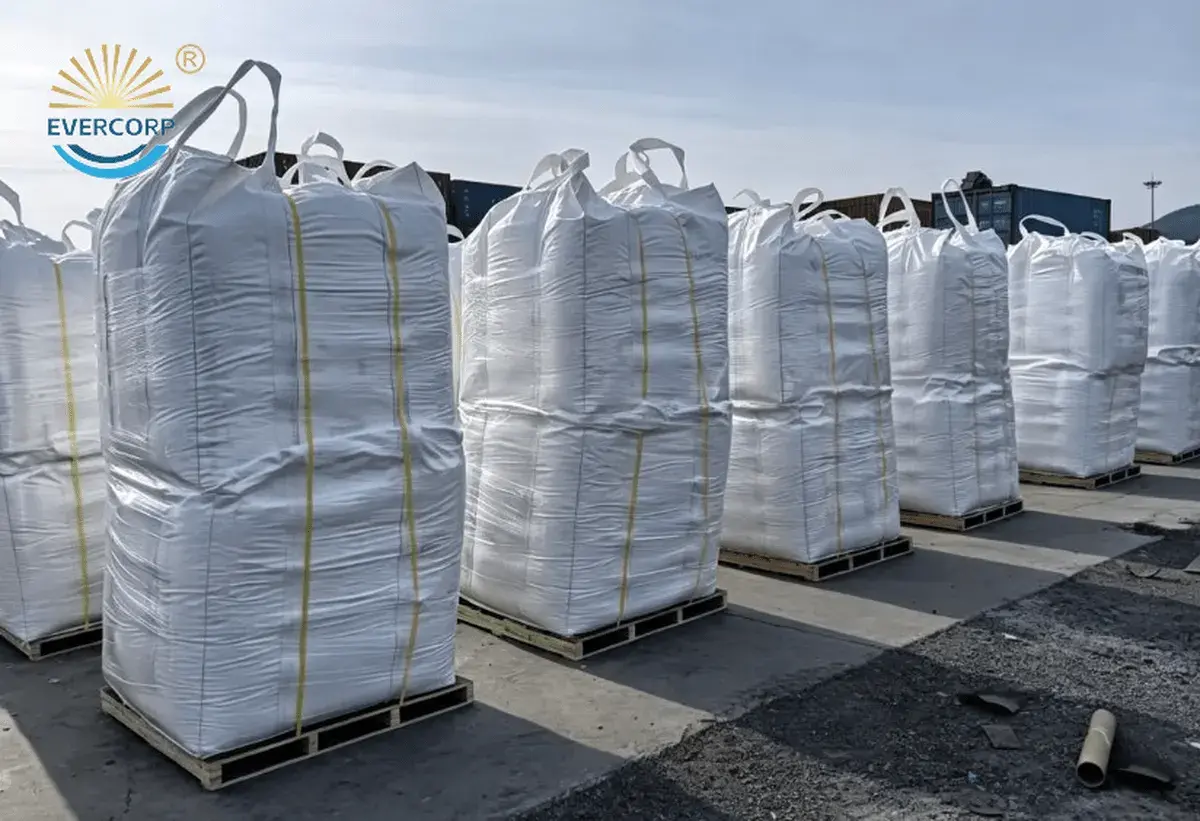
For standard specs, the smallest amount that can be ordered is usually 5 tons. For quarterly or yearly supply deals, bulk ocean freight choices are also possible. If you buy from the factory directly, you don't have to pay the markups that distributors do, so your costs are 20–40% lower than if you bought from a regional reseller. Being close to major ports makes operations easier and lowers the carbon emissions that come with interior traffic, which is something that businesses that want to get environmental approvals should think about.
(2). Quality Assurance Protocols and Testing Requirements
For procurement to work well, quality checks must go beyond supplier certificates of analysis. A few important testing factors are double bond retention (goal ≥96%), molecular weight distribution (confirming narrow polydispersity) through gel permeation chromatography, and hydroxyl value measurement by titration (confirming ethoxylation degree). Karl Fischer analysis shows that the moisture content must stay below 0.5% to keep the material from breaking down during storage and polymerization.
You should ask for 5–10 kg samples of Vpeg 2400 Pce Monomer For Concrete to try with your own cement sources before making big purchases. Compare the new monomer to your current material in side-by-side PCE polymerization trials. Measure the conversion efficiency, molecular weight distribution, and performance of the resulting concrete in standard slump retention and compressive strength tests. This process usually takes two to four weeks, but it keeps production from being interrupted by expensive problems caused by materials that aren't up to par.
(3). Pricing Dynamics and Total Cost of Ownership
Polyether monomer prices depend on the molecular weight, the amount that is made, and the balance between supply and demand in the region. Vinyl-terminated systems cost 10-15% more than regular HPEG monomers, but overall formulation costs often go down because expensive co-monomers like AMPS aren't needed and less energy is used for polymerization. Find the total cost of ownership, which includes the price of the monomer, the cost of energy used in the production process, the need for co-monomers, and the uniformity of the concrete's performance.
EverStar Group offers factory-direct prices and volume discounts for long-term contracts. Their prices are supported by clear cost structures and are adjusted every three months based on raw material prices. Our 99.5% on-time delivery record cuts down on the costs of keeping supplies and keeps production going, which are both important factors when looking at a supplier's value beyond unit price alone.
- Best Practices and Future Prospects of Using VPEG 2400 PCE Monomer in Concrete Applications
(1). Integration Into Existing Production Systems
Making small changes to the process is all it takes to switch to vinyl-terminated polyether monomers. Because it reacts more quickly, the polymerization temperatures need to be lower (35–45°C vs. 55–65°C), which means 30–40% less steam or heating oil is used. This change can be made to existing reactor systems without spending a lot of money, but it becomes more important to precisely control the temperature to keep reactions from going off the rails. To account for increased reactivity, initiator doses may need to be slightly lowered (usually by 10–15%). This means that small-scale optimization trials are needed before full-scale adoption.
The resulting PCE chemistry is very compatible with normal polycarboxylate structures, so it can still be used with current neutralization and dilution equipment. As part of quality control, double bond retention tests should be added to make sure that all monomers have been converted. This will stop the buildup of unreacted polyethylene glycol, which could cause the concrete to take longer to set. Using standard titration tools, this extra testing fits right in with how the lab already works.
(2). Regulatory Compliance and Safety Standards
The global market for Construction Chemicals needs a lot of different Certifications. Registering with REACH makes sure that you can sell your products in the European market, and following FDA rules helps concrete structures in food processing facilities. Certifications like Halal and Kosher let you sell your goods in the Middle East and other places. EverStar Group has a wide range of certifications, such as ISO 9001, and GCC standards. These are backed by third-party verification from SGS and Intertek. Our involvement in Responsible Care® and EcoVadis Silver grade shows that we care about protecting the environment and keeping workers safe.
Product documentation in multiple languages, such as Safety Data Sheets, Certificates of Analysis, and Technical Data Sheets, makes it easier to get goods through customs and follow local rules. On-site training for polymerization operators and concrete technicians makes sure that they handle materials safely and improves their performance. For global operations, we offer multilingual technical support 24 hours a day, seven days a week.
(3). Innovation Trajectory and Market Evolution
Polyether monomer chemistry is still being studied to find ways to make it last longer and work better. Next-generation versions use bio-based ethylene oxide precursors, which cut the amount of fossil carbon by up to 40% while keeping the same level of technical performance. Molecular engineering looks into branched designs that combine fast dispersion with long-term slump retention. This helps meet the needs of ultra-high-performance concrete systems that have to meet conflicting performance requirements.
Demand for sulfate-resistant admixture systems is rising because of big building projects in the Middle East and Asia. In order to adapt to climate change, concrete mixtures must stay workable in temperatures ranging from 45 to 50°C. This makes advanced polyether monomers important technologies. As performance standards get stricter and pressures to be more environmentally friendly grow, companies that invest in supplier partnerships and technical know-how now will have a competitive edge in the future.
- Conclusion
Understanding the chemistry of polyethers and how cement particles interact at the molecular level leads to better concrete dispersion. The optimized molecular weight, excellent reactivity, and proven sulfate tolerance of Vpeg 2400 Pce Monomer For Concrete make it ideal for use in high-sulfate settings, where cement quality can vary, and where placement conditions are very strict. Competitive advantages are guaranteed by procurement strategies that stress supplier dependability, thorough quality checks, and total cost analysis. As the need for infrastructure grows around the world and concerns about sustainability grow, working with qualified makers who can provide consistent quality, technical support, and a steady supply of goods turn into strategic assets instead of transactional relationships.
- FAQ
(1). What is the recommended dosage range for PCE synthesized from this monomer?
For standard C30–C50 concrete, the usual dosage ranges from 0.15 to 0.30% by cement weight, resulting in a 200–250 mm slump. For high-strength uses (C60–C80), you can use up to 0.40% without worrying about segregation. The best dosage relies on the type of cement, the qualities of the aggregate, and the workability traits that are wanted.
(2). How does this monomer perform with different cement types?
The sulfate-adaptive chemistry keeps more than 90% of the dispersion efficiency across regular Portland cement, sulfate-resistant blends, and high-alkali cements with more than 3.5% SO₃. This wide compatibility means that recipe changes don't have to be made when getting cement from more than one source.
(3). What storage conditions ensure monomer stability?
White flakes should be kept in sealed containers below 35°C, in a well-ventilated place out of direct sunlight. When stored correctly, double bond retention stays above 96% for 12 months. This makes sure that polymerization works consistently and stops clumping or degradation.
(4). Can this monomer work with air-entraining agents?
This polyether monomer can be used to make PCE, which works well with most defoaming and air-entraining products used in concrete. Before full-scale production, performance is checked by testing on a small scale to see how well it works with certain brands.
- Partner With EverStar Group for Reliable VPEG 2400 PCE Monomer Supply
EverStar Group is a reliable Vpeg 2400 Pce Monomer For Concrete supplier that has been in business for 14 years and offers full technical support. Our three strategically placed factories send more than 50,000 tons of goods to more than 50 countries every year. We keep 5,000 tons of stock on hand to make sure that we can keep supplying customers even if there are problems with logistics. We offer free 5–10 kg samples for pilot testing with your local cement, technical documentation in multiple languages, and engineering support 24 hours a day, seven days a week to help with formulation problems. With a 5-ton minimum order, factory-direct price saves you 20–40% over regional wholesalers, and our ISO 9001, REACH certifications make it easier for you to follow the rules. Get in touch with info@cneverstar.com right away to get technical data sheets, set up virtual tours of the factory, or talk about custom formulations that are best for your cement chemistry and climate. Visit cneverstar.com to see our full range of polyether monomers and learn how working with a vertically integrated company can improve the performance of your concrete and make your supply chain more reliable.