Complete Guide to HPEG 2400 Extended Slump Retention Monomer: Properties, Uses and Applications
* When your concrete loses workability during transport and arrives at the job site too stiff to place properly, you face costly delays, material waste, and frustrated clients. HPEG2400 Extended Slump Retention Monomer solves this critical challenge. This precision-engineered polyoxyethylene ether macromonomer with a molecular weight of 2400 g/mol extends slump retention to 180 minutes or longer, keeping concrete pumpable even in high-temperature environments exceeding 35°C. For PCE manufacturers and ready-mix producers operating in hot climates, this monomer delivers the extended workability you need without compromising final strength or requiring additional retarders that delay setting times.
- Understanding HPEG 2400 Extended Slump Retention Monomer
The science behind long-lasting slump retention starts with the structure of molecules. Methallyl alcohol and ethylene oxide are used in advanced alkoxylation technology to make this monomer. The length of its polyether side chains is what makes the 2400 molecular weight so useful. These longer chains cause stronger steric hindrance effects that stop cement particles from sticking together too quickly.
These long side chains stick to the cement particle surfaces when you add this monomer to your PCE mixtures, making a barrier in space. This barrier keeps particles spread out for a much longer time than alternatives with lower molecular weight. The way it works is very different from how traditional retarders work, which are chemicals that slow down hydration. Instead, this monomer keeps particles physically separate, which lets them hydrate in a controlled way while keeping their workability.
(1). Key Chemical Properties
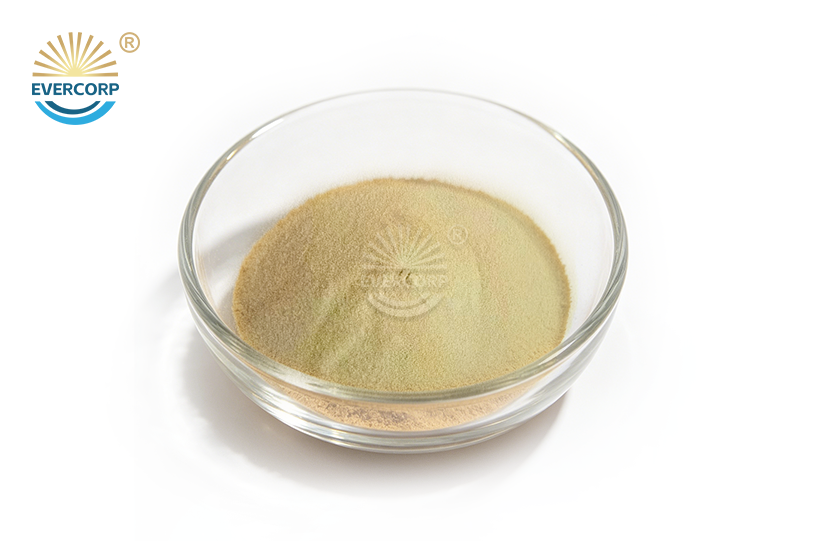
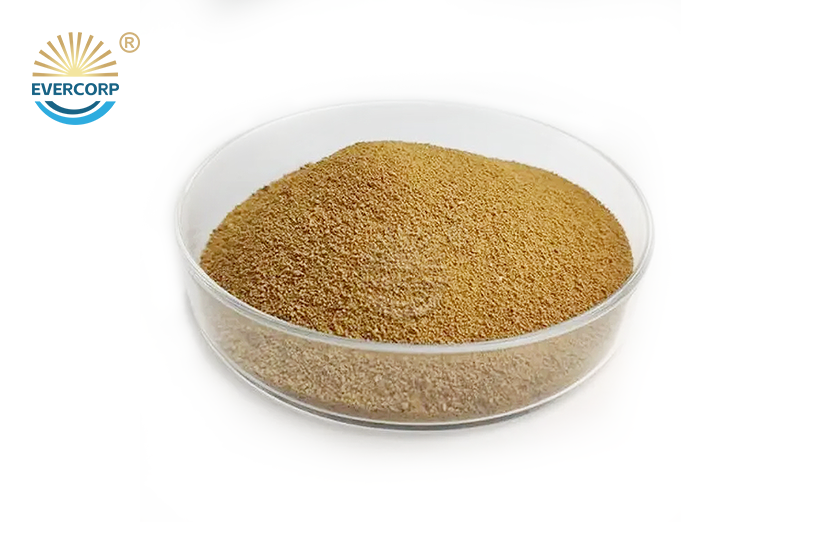
The monomer looks like white to off-white flakes that are at least 98% solid. Its molecular weight of 2400 ±100 g/mol is just right for Applications that need long-term retention. A hydroxyl value of 22 to 28 mg KOH/g means the chain length is right, and a pH range of 5 to 7 keeps the substance stable during storage and polymerization. A double-bond holding of 95% or more ensures that copolymerization with acrylic acid works well during PCE synthesis. The moisture level stays below 0.2%, which stops premature hydrolysis that would hurt performance.
(2). Performance Advantages in Concrete Applications
When HPEG2400 Extended Slump Retention Monomer is used to make polycarboxylate superplasticizers, the concrete stays slumpy for more than three hours without needing to be dosed again. This extra workability comes in handy when traffic jams, long hauls, or complicated placement steps make it take longer than planned to pour. When temperatures rise above 35°C, normal PCE formulations quickly lose their effectiveness. But the monomer keeps working well even at those temperatures. The final development of compressive strength is still on track because the monomer doesn't change the hydration chemistry; it only changes when the particles interact with each other.
- Comparing HPEG2400 with Other Slump Retention Additives
Knowing how different monomers with different molecular weights work can help you choose the best solution for your needs. Comparing HPEG 2400 to other options, such as HPEG 2000 or traditional retarding additives, shows significant differences in how well they work and how much they cost.
(1). Molecular Weight Impact on Retention Duration
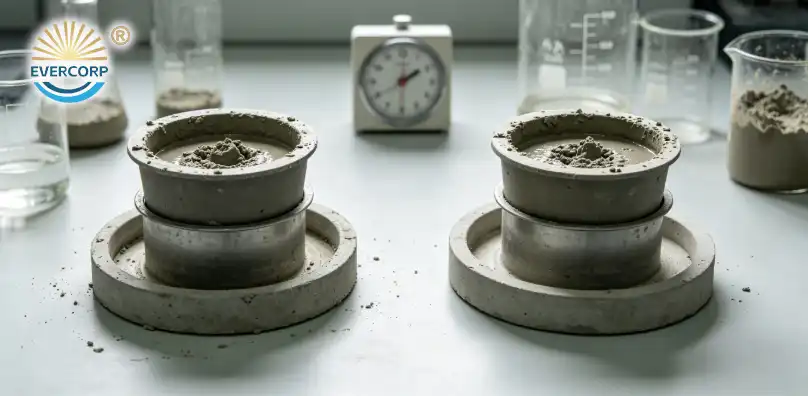
Monomers with a lower molecular weight, like HPEG 2000, do a good job of removing water and spreading out at first, but they tend to slump after 90 to 120 minutes. As the cement hardens, the shorter side chains make it easier for the particles to move closer to each other because they are less blocked by sterics. The longer chains in HPEG 2400 make this barrier stronger, which increases retention times to 180 minutes or more. This difference is very important for ready-mix manufacturers that sell to cities, where unpredictable traffic can make delivery times an hour or more longer.
(2). Traditional Retarders vs. Molecular Design
Usually, retarding admixtures stick to the surface of cement and make protective films that slow down the hydration reactions. Even though these retarders work to make setting times longer, they often cause strength development to be too slow, especially in concrete operations or when it's cold outside. Using extended side chains in the molecular method keeps the workability without changing the hydration rates too much. Once it's in place, your concrete sets normally, but it stays fluid during the important transport and placement window.
- Application Methods and Best Practices for HPEG2400
To make implementation work, you need to pay attention to the synthesis factors and make sure they work well with your current PCE formulation methods. The monomer's performance depends on the right conditions for polymerization and the right dose based on the amount of cement and the environment.
(1). Synthesis Parameters for Optimal Performance
When HPEG2400 Extended Slump Retention Monomer is copolymerized with acrylic acid to make PCE superplasticizers, the molecular weight distribution in the finished polymer is stable as long as the reaction temperature stays between 60°C and 90°C. The molar ratio of the monomer to the acrylic acid is usually between 1:3 and 1:5, but this can change depending on how much water you want to remove and how much slump you want to keep. Chain transfer agents help manage the molecular weight of the polymer, which makes sure that the final PCE has the right rheological qualities. Keeping an eye on the pH during polymerization keeps the reaction fixed and makes the most of the double-bond conversion process.
(2). Dosage Recommendations for Different Concrete Grades
When this monomer is used to make standard concrete mixes with C30–C40 compressive strength goals, PCE amounts of 0.15–0.25% by cement weight are usually needed. Higher-grade concrete mixes, like C60–C80 mixes used in structures, may need up to 0.4% more cement, but it depends on the water-to-cement ratio and the initial slump that is wanted. Because it has longer retention, you can often cut down on or get rid of the need for secondary dosing on the job site. This makes quality control easier and lowers the cost of the materials.
(3). Integration with Other Admixtures
This monomer-based PCE works well with air-entraining agents, viscosity-changing admixtures, and shrinkage-reducing admixtures that are widely used in current concrete mixes. When using retarders to get very good workability, lower the amount of retarder used by 30 to 50 percent to avoid long setting times. Before scaling up to production levels, make sure that the materials work well with the type of cement you're using and any other cementitious materials you may need.
- Procurement Guide: Buying HPEG2400 Extended Slump Retention Monomer
To choose the right provider, you need to look at how consistent the quality is, how well they can help with technical issues, and how reliable their operations are. For PCE manufacturers who make between 5,000 and 20,000 tons a year, supply chain stability affects their ability to keep their promises to customers.
(1). Quality Specifications to Verify
For each batch, you should ask for a Certificate of Analysis that shows the molecular weight distribution, double-bond retention (measured by iodine value testing), moisture content, and pH stability. Reputable companies like EverStar Group use real cement samples in experimental synthesis tests to make sure that every production batch works the same way in real-world concrete applications. This testing finds differences in quality before the materials get to your plant. This protects your image with ready-mix customers.
(2). Supplier Capabilities That Matter
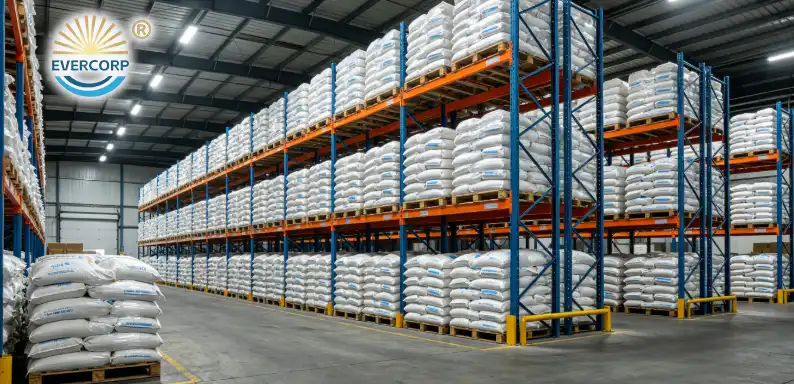
How well a supplier can meet your growing needs depends on how much they can produce and how much inventory they have on hand. If a manufacturer keeps a stockpile of more than 5,000 tons of HPEG2400 Extended Slump Retention Monomer, they can reliably meet both sample orders and full container loads. Look for suppliers that offer research and development (R&D) help to find the best PCE synthesis parameters for the types of cement you use and the weather where you live. When you're working on tough applications or trying to figure out why something isn't working right, having technical teams available 24 hours a day to help with formulation development is very helpful.
(3). Logistics Considerations for Global Sourcing
Shipping costs go down and arrival times become more predictable when you buy from makers that are close to major ports. With flexible minimum order amounts, you can test the product's performance with small runs before buying in bulk. Established suppliers that do business in more than 50 countries have a lot of experience with customs procedures and paperwork that can be hard to understand. Different ways of moving things around at your production plant can be accommodated by different types of packaging, such as 25 kg bags, intermediate bulk containers, and bulk trucks.
- Future Outlook and Trends in Slump Retention Technology
As sustainability concerns change the building chemicals business and performance standards for concrete get stricter, new discoveries in polycarboxylate superplasticizer chemistry keep happening quickly.
(1). Emerging Molecular Designs
Molecular architectures that are branched and grafted are being studied because they could give us even better control over slump retention profiles. These new designs might make it possible to tailor the features of retention to specific time windows. This would allow for the most movement during important placement times and faster stiffening after placement is complete. Using controlled amounts of monomers with different molecular weights together makes "dual-release" patterns that balance the initial loss of water with longer workability.
(2). Sustainability Drivers in Monomer Production
There is more and more pressure on the Construction Chemicals business to lower its carbon footprint and make its environmental image better. Companies that buy bio-based feedstocks for monomer synthesis are following this trend while keeping up with technical standards. Companies that want to cut their carbon emissions by 30% by 2030 and support LEED-certified projects position themselves as the best suppliers for customers who care about the environment. These promises to be more environmentally friendly are especially important for big building projects and clients in the public sector.
(3). Market Demand in Hot Climate Regions
In tropical and desert climates, there is a strong demand for solutions that can keep slumps in place for longer periods of time. During building seasons, markets in Southeast Asia, the Middle East, and Africa often have temperatures above 40°C. Ready-mix manufacturers in these areas focus on monomers that have been shown to work well in harsh conditions. In warm-climate regions of the United States, similar demand patterns emerge because more building happens when it's hot outside.
- Conclusion
Molecular design-based extended slump retention technology, such as HPEG2400 Extended Slump Retention Monomer, is a big step forward from traditional approaches to adding chemicals to concrete. The 2400 molecular weight strikes the perfect balance between retention duration and setting time control, solving one of the most important problems ready-mix and PCE manufacturers in hot climate markets face. As building projects get more complicated and transport schedules become less reliable, being able to keep concrete workable for three hours or more without losing its final strength gives you a competitive edge. You can consistently meet your customers' high expectations if you choose suppliers whose products have consistent quality, technical support, and reliable logistics.
- FAQ
(1). Why choose 2400 molecular weight over 2200 for slump retention?
The 2400 molecular weight makes the polyether side chains longer, which creates better steric hindrance, which is the main thing that keeps cement particles from sticking together. This directly means longer slump retention, usually an extra 60 to 90 minutes of workability compared to options with a smaller molecular weight.
(2). Does this monomer affect concrete setting time?
When made and dosed properly, polycarboxylate superplasticizers made with this monomer keep their workability without the long delays in setting time that come with regular retarders. The process keeps the particles spread out without chemically interfering with the hydration reactions. This lets the concrete set normally after it has been put.
(3). Can it combine with other monomers in PCE formulations?
Yes, mixing with common monomers that reduce water makes performance profiles that are balanced. This combined method improves both the initial water removal and the long-term slump retention, so you can change the PCE properties to fit the needs of a particular application.
(4). What quality control tests matter most?
Iodine value testing confirms that double-bond retention is above 95%, which means that polymerization works well. Having less than 0.2% moisture stops the material from breaking down too quickly during storage. Stable pH between 5.0 and 7.0 keeps the shelf life of a product. The strictest suppliers test PCE synthesis with samples of cement to make sure it works in the real world.
- Partner with EverStar Group for Reliable HPEG2400 Extended Slump Retention Monomer Supply
EverStar Group is ready to help you with your long slump retention needs. They have been making things for 14 years and have a track record of success. Our three strategically placed factories keep more than 5,000 tons of stock on hand, so we can guaranty 99.5% on-time delivery whether you need small samples or full containers. We are a reliable HPEG2400 Extended Slump Retention Monomer manufacturer, and we work with PCE producers in more than 50 countries. We offer full technical support, including 24-hour formulation development, free samples for testing with local cements, and detailed documentation with SDS, COA, and TDS specifications. Our REACH and ISO Certifications show that we are committed to quality standards that are known all over the world. Email our team at info@cneverstar.com to talk about how our monomer solutions can help you with your specific slump retention problems and to ask for samples that can be used in your production environment to make sure they work well. You can look at all of our polycarboxylate monomer goods and technical tools at cneverstar.com.