What Is PCE Polycarboxylate Superplasticizer and How Does It Achieve 30–40% Water Reduction?
PCE (polycarboxylate ether) superplasticizer powder is a third-generation high-performance water reducer that achieves 30–40% water reduction, enabling C80–C100 high-strength concrete, 300-meter pumping heights, and 2–4 hour slump retention in hot weather.
Modern construction demands more than conventional water reducers—it requires the precision and power of pce polycarboxylate superplasticizer technology. This third-generation admixture transforms concrete from a limiting factor into a performance asset, enabling pumping heights exceeding 300 meters, slump retention lasting four hours in scorching heat, and compressive strengths once thought impossible with standard materials. Our work with Fortune 500 contractors and major infrastructure developers has taught us that achieving these outcomes depends on molecular design, rigorous quality control, and a supplier who understands the stakes of every cubic meter you pour.
Understanding PCE Polycarboxylate Superplasticizer
What Makes This Technology Different?
Naphthalene sulfonates and lignosulfonates, which are two types of traditional water reducers, only use electrostatic repulsion to spread out cement particles. Through surface charge, they move particles apart, which works fine for lower grades of concrete but not so well for C80 strong concrete. Admixtures of polycarboxylate ether use a comb-like molecular structure with a carboxylic acid backbone that sticks firmly to cement grains and long polyoxyethylene side chains that stick outward to form a steric barrier. The two mechanisms—electrostatic and steric hindrance—allow water reduction rates of 30 to 40 percent without segregation or bleeding, even at very low doses of 0.1 to 0.3 percent by cement weight.
The chemistry directly leads to performance benefits that can be measured. Even when under a lot of pressure, your concrete stays the same. You use less cement paste, which saves money on materials and reduces your carbon footprint. In marine and freeze-thaw zones, the denser matrix with lower permeability increases service life by 30 to 50 percent. Our research and development lab changes the side-chain length and carboxyl density to fit the cement mineralogy, temperature ranges, and slump-retention needs of your specific projects.
Core Technical Parameters
The admixtures that EverStar Group makes meet or go beyond the standards set by ASTM C494 Type F/G and EN 934-2. For years, we've worked to improve our product specs so that they can meet the needs of difficult uses around the world:
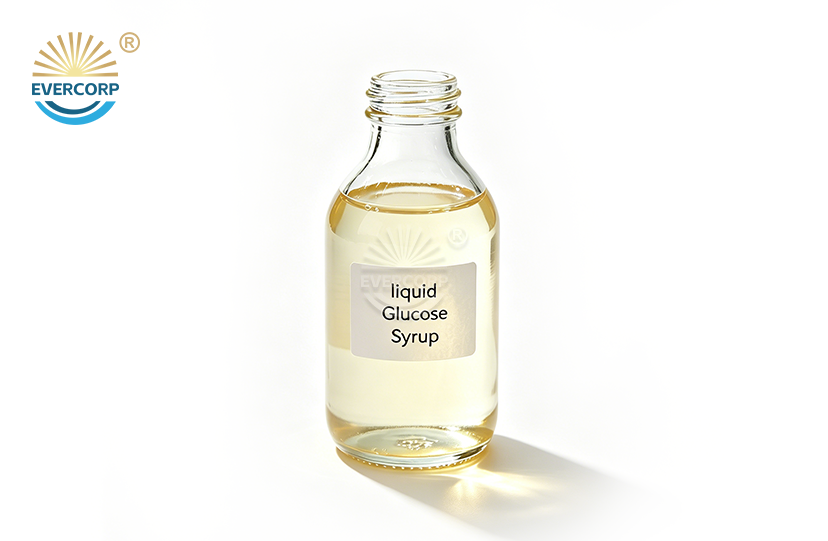
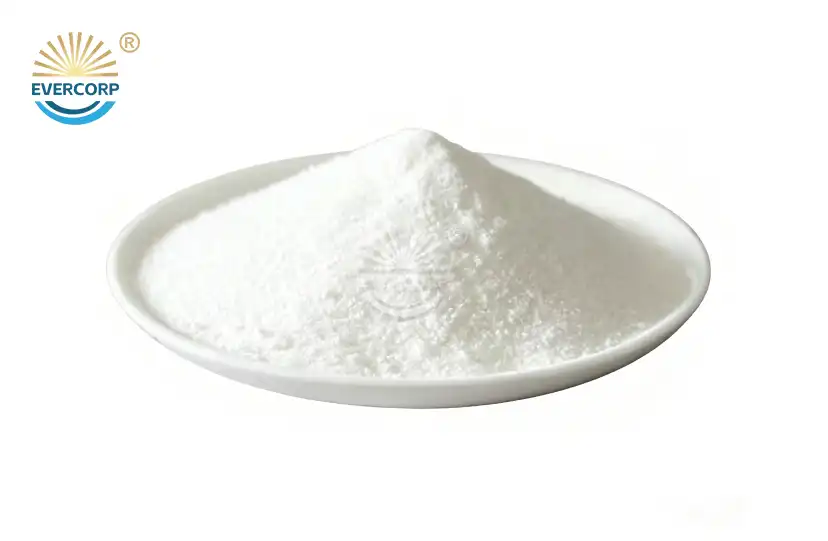
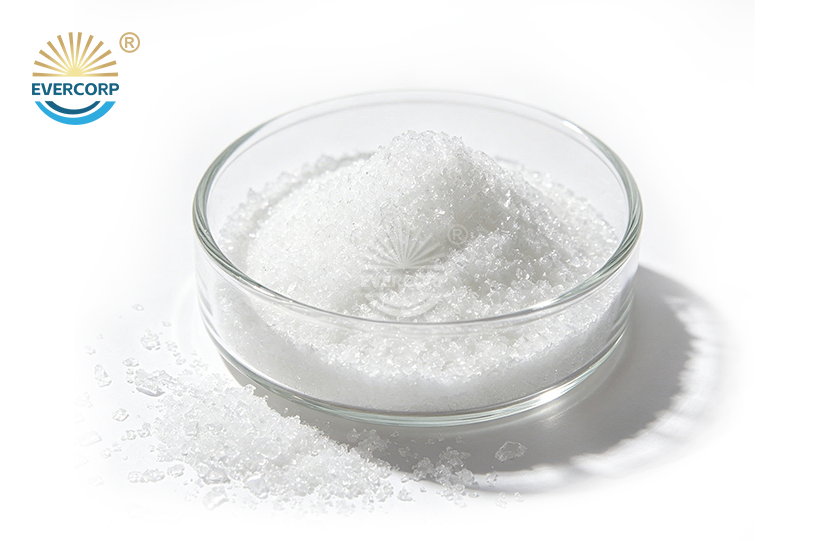
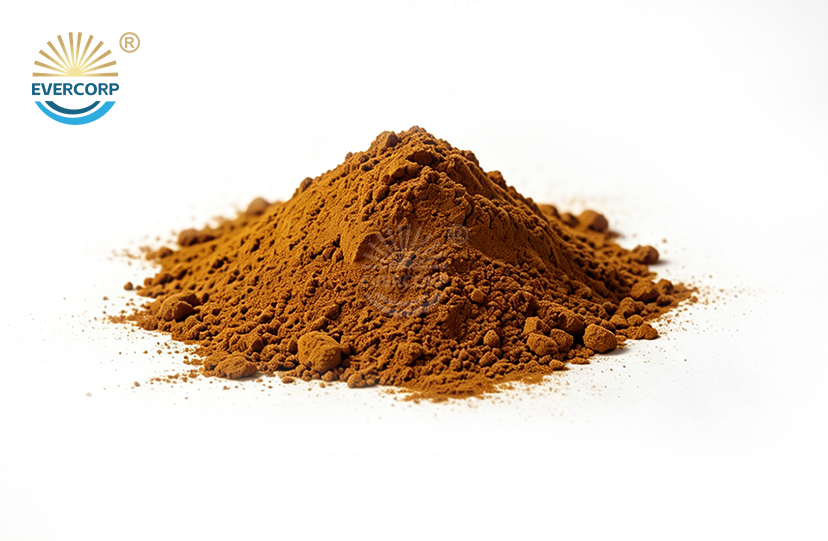
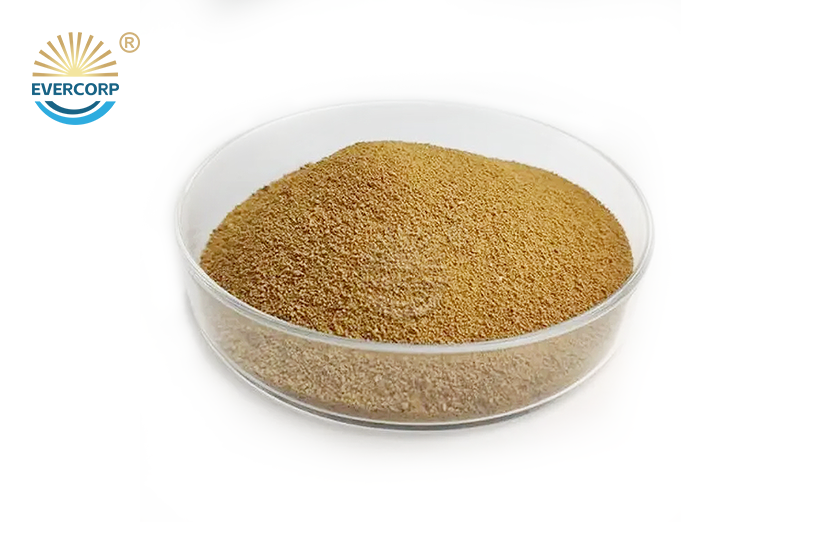
The powder form looks like white to off-white granules and has a solid content of at least 98%, a bulk density of 400 to 700 g/L, and a chloride content of less than 0.1% to protect the reinforcement. The liquid forms come out as light yellow to clear solutions that are 40–50% solid, have a density of 1.08–1.12 g/cm³, and have a pH of 6.0–8.0 at 23°C. As little as 1% alkali (Na₂O equivalent) is used in either form to get a 30–40% water reduction rate. The polycarboxylate ether polymer backbone that we use in all of our formulations is identified by the CAS number 62601-60-9.
We have four different types, each designed for a different type of construction situation: standard water-reducing, slump retention, early strength, and powder. Standard variants improve workability and strength development in general. Formulas with slump retention keep the flowability for two to four hours while being shipped over long distances. Early-strength types speed up curing in precast processes, which can cut the time it takes for steam to cure by up to 50%. Powder forms, such as pce polycarboxylate superplasticizer, last longer and don't freeze, so they're great for places that get cold.
Application Guidelines That Prevent Costly Mistakes
With high-performance water reducers, success or failure depends on how precisely the dose is used. We suggest 0.1% to 0.2% by weight of cement for normal water reduction, 0.2% to 0.3% for high-range uses, and 0.15 to 0.25% when keeping the slump is very important. Temperature has a big effect on performance: between 5°C and 15°C, normal dosage causes little slump loss; between 25°C and 35°C, increase dosage by 10–15% or switch to grades that keep slump; and above 35°C, mix with retarders and keep fresh concrete out of direct sunlight.
The effects of overdosing get worse quickly. A small amount of extra (0.05%) makes the setting time longer without changing the strength after 28 days. An overdose of 0.05 to 0.1% may lower the early strength by 5 to 10%, which means that the curing process needs to be closely watched. Overdosing severely (>0.1%) can cause the setting to last longer and a big loss of strength. Change the mix right away if you notice these effects. Due to lower water-to-cement ratios, 28-day compressive strength usually hits 110–120% of reference mixes with the same slump when used at the suggested levels and allowed to cure with the right amount of moisture.
Comparing PCE Superplasticizer with Other Types
Chemical Structure Drives Performance Gaps
First-generation lignosulfonate admixtures are waste products from the paper industry. They reduce water by 8–12% but add sugars that slow down setting and lower the final strength. Second-generation naphthalene and melamine versions reduce water by 15–25%, but they need to be added at a rate of 0.5–1.5% by weight of the cement, lose their shape quickly in hot weather, and don't work well with many different types of cement. When projects need C80+ powers, longer pumping times, or self-compacting concrete rheology, these older methods don't work.
Molecular engineering makes polycarboxylate ether technology possible, which gets around these problems. The comb structure lets you precisely control the length of the side chains, the density of the grafting, and the way the charges are spread along the backbone of the polymer. This modification makes it possible for Type I through Type V Portland cements, mixed cements with fly ash or slag, and even calcium aluminate cements used for quick repairs to work. You get the same performance no matter how much C3A is in the cement, how balanced the sulfates are, or how fine the cement is. These are all things that can go wrong with naphthalene-based reducers.
Cost-Effectiveness Beyond Purchase Price
It's easy for procurement teams to get stuck on per-kilogram prices and lose sight of the big picture of total costs. Naphthalene sulfonates may look cheap when you get a quote from a supplier, but their need for 0.5 to 1.5% dosage and frequent failures to work with other chemicals add up to hidden costs. When you move cement suppliers, you may have batches refused, have to use more cement to make up for less water reduction, and have to do more upkeep on your infrastructure more quickly because it is more permeable. Melamine versions work better than lignosulfonates, but they are still not good enough for high-strength and slump endurance.
Our polycarboxylate ether admixtures, including pce polycarboxylate superplasticizer, offer better economics by requiring very small amounts and performing consistently. When you use 0.1-0.3% of the cement's weight as a filler, you use 50–80% less than when you use naphthalene options. The 30–40% less water means that 10-15% less cement is needed to reach the goal strength, which saves money on materials and cuts carbon emissions. Slump retention for two to four hours stops last-minute deliveries and rejected loads, which cuts down on dispatch costs and keeps customer relationships strong. These things add up over the course of a project's lifecycle and often cancel out any extra cost that comes up at the beginning.
Real-World Project Outcomes
For high-stakes tasks where failure is not an option, major infrastructure builders choose polycarboxylate technology. In one highway expansion project, a major ready-mix producer used our slump-retention formula, pumping C70 concrete in 38°C heat for 90 minutes without any slump loss—naphthalene alternatives failed during test pours. A precast producer moved to our early-strength variant, reaching design strength in 24 hours without overnight heating, saving significantly on energy costs. These case studies show that performance reliability is a better reason to buy something than just comparing prices.


Procurement Guide for Bulk Buyers and B2B Clients
Evaluating Supplier Capabilities and Certifications
Before committing to big orders, technical directors and procurement managers need to make sure that sellers have both the ability to make things and the paperwork to prove they follow the rules. To ensure supply consistency for projects that last more than one year, the annual production capacity should be more than 50,000 tons. A buffer of more than 5,000 tons of inventory on-site protects against sudden increases in demand and delays in logistics. Shipping costs and transit times are cut down when factories are close to major ports. Our factories are within 100 kilometers of export terminals in the southern, eastern, and northern parts of China.
A supplier's certification portfolio shows how committed they are to quality and market access. North America is in line with ASTM C494 Type F/G certification. The acceptance under EN 934-2 meets the needs of the European Union. REACH registration shows that all 27 EU member states have the right paperwork to show that chemicals are safe. Having ISO 9001 and ISO 14001 standards means that you handle quality and the environment in a structured way. Certifications like halal and kosher are important for markets in the Middle East and other niche areas. Third-party testing from SGS, Intertek, or similar labs proves that the performance claims are accurate. EverStar Group keeps all of these credentials up to date, along with an EcoVadis Silver rating and a Responsible Care® membership. They can show proof that this meets the standards of both technical and buying reviews.
Minimum Order Quantities and Logistics Considerations
The economics of bulk purchases favor container-load shipping. About 20 tons of powder admixture in 25-kilogram bags or 25 tons of liquid admixture in IBC tanks can fit in a normal 20-foot container. When compared to less-than-container shipments, full container loads cut freight costs by 40 to 60% per kilogram. But trial orders and compatibility testing need us to be flexible, so we can take samples weighing 50 to 100 kilograms and first-time orders starting at five tons so that we can make sure everything works before we start to scale up.
Lead times depend on the type of goods and the amount of customization. Standard formulations are sent out three days after we receive them. It takes 5 to 7 days to make and check the quality of customized blends that are made to fit the chemistry and climate of your area's cement. To avoid customs delays, export paperwork like the business invoice, packing list, certificate of origin, COA, TDS, and SDS are all prepared at the same time. Our transportation managers book containers, get fumigation certificates for certain markets, and send your freight to the port or destination in the country of your choice. From the factory gate to the final delivery, tracking updates keep your team in the loop.

Sample Testing Before Commitment
Trial mixing is required before big contracts are finalized as part of responsible buying. The ingredients in concrete are very different depending on where you live. For example, limestone aggregates in Florida behave differently than silica gravels in Texas, and Type V low-alkali cement in California is very different from Type I cement in the Midwest. We offer free 50-kilogram samples of pce polycarboxylate superplasticizer and technical support for trial batches at your mixing plant. Your lab engineers test how much water is reduced at different doses, how long the slump lasts at 30, 60, and 90 minutes, how strong it is at 1, 7, and 28 days, and how well it works with your other cementitious materials.
This part of approval usually takes three to five weeks, but it saves a lot of money and time later on. You confirm that our blend works as promised with your real raw materials and in your environment. If necessary, we change the molecular design by adding more slump-retention side chains for hot climates and more carboxyl density for coastal areas with a lot of sulfate. Once the test results meet your technical needs, you can confidently move forward with bulk procurement because of the performance data that has been recorded.
Environmental and Technical Performance of PCE Superplasticizer
Sustainability Benefits That Support Green Building Goals
Sustainability in construction is more than just using repurposed materials and green energy. Concrete chemistry is a key part of this. There are several ways that high-performance water reducers can help with green building certifications and corporate carbon reduction goals. By lowering the water-cement ratio by 0.10, fly ash or slag can usually be used instead of 10-15% cement while keeping the strength and lowering the embodied carbon by 8–12%. Less permeable concrete needs repairs less often, which increases the life of infrastructure and lowers emissions over its entire life. Self-compacting concrete gets rid of the need for shaking energy and work, which means that job sites use less fuel and make less noise.
Polycarboxylate ether admixtures don't do much damage to the environment by themselves. Volatile organic compound (VOC) emissions are very low because our products don't have any solvents or harmful air pollutants in them. Aquatic toxicity tests show that LC50 values are much higher than the legal limits. HDPE drums that can be recycled and IBC tanks that can be returned help reduce waste. EverStar Group wants to cut carbon emissions by 30% across all of its activities by 2030. This is in line with global climate commitments and helps you meet your ESG reporting standards.
Technical Performance Under Extreme Conditions
More and more, infrastructure projects have to deal with harsh weather conditions like sea spray zones, freeze-thaw cycles, sulfate-rich groundwater, and curing at high temperatures. Polycarboxylate technology makes concrete last longer by making the microstructure denser and reducing the amount of water that can pass through it. Compared to regular mixes of the same strength, this one absorbs 40–60% less water. This stops chloride from getting in and stops reinforcing rusting. As per ASTM C1202, rapid chloride permeability tests (RCPT) usually show results below 1,000 coulombs for concretes that are C60+, which means they have "very low" permeability.
Controlled air entrainment makes freeze-thaw resistance better when the right air-entraining additives are added. Our polycarboxylate formulations don't naturally entrain air, which lets us precisely control the amount of air in certain exposure classes. This keeps the structure from having too many air holes, which weaken it, while still protecting it from frost. It is resistant to sulfate because it has a dense microstructure and works with Type V low-C3A cements. It also meets the expansion limits set by ASTM C1012 even in harsh sulfate environments.
For hot-weather concreting and finishing precast, high-temperature stability is important. Our early-strength versions keep working even after being heated to 70°C for steam curing cycles, which speeds up strength development without affecting their long-term performance. Slump-retention formulas work reliably at room temperature up to 40°C, keeping their workability for 30 minutes longer than naphthalene additives. This dependability in extreme temperatures cuts down on rejected batches and schedule delays in the construction markets around the world.
Conclusion
Modern building techniques push concrete technology to reach levels of strength and use cases that can't be supported by traditional admixtures. Polycarboxylate ether superplasticizers, including pce polycarboxylate superplasticizer, reduce 30–40% of the water needed for C80–C120 high-strength concrete, self-compacting mixes, and structures that will last for decades in difficult conditions. They also make the concrete easier to work with and last longer. To find the best provider, you need to check their production capacity, list of certifications, dependability of logistics, and desire to make formulations fit your unique cement chemistry and climate. Before committing to a large scale, sample testing makes sure that the performance is good. This keeps your projects safe from expensive interface failures. When mixed with the right amount of water and technical help, these additives can turn concrete from something that limits performance into something that improves it. This lets architects realize their dreams and builds infrastructure that will last. This is what the future of the built environment will be like.
FAQ
Why does performance vary between different cement brands?
The success of polycarboxylate admixtures depends a lot on the minerals in the cement, especially the amount of C3A and the balance of sulfates. High-C3A cements use up admixture molecules quickly, so the amount needed needs to be increased by 15–30%. Gypsum content changes how much sulfate is available for ettringite formation, which changes how long it takes to set and how strong it is at first. We suggest that you use Marsh Funnel compatibility tests every time you switch cement suppliers. This way, you can keep the performance of your concrete uniform even if the raw materials change.
Can polycarboxylate and naphthalene admixtures be mixed?
Cross-contamination or mixing on purpose makes the material less workable right away and could cause it to flocculate. Naphthalene sulfonates and polycarboxylate ethers have different ways of spreading out (electrostatic versus steric), and they don't work well together. When switching between types of mixing, all of the equipment must be cleaned well. Even small amounts of naphthalene left in admixture tanks can make polycarboxylate less effective, so cleaning steps must be followed before moving.
What causes bleeding in polycarboxylate-modified concrete?
Most of the time, bleeding is caused by too much or too little fine aggregate content. When there is too much admixture, the cement particles are spread out so well that water can leave the core. If the sand fineness modulus is less than 2.6 or the minus-200-mesh material isn't good enough, it won't hold the water. During trial mixing, lower the dosage by 0.02% at a time to find the point where workability stops improving. Adding extra cementitious materials or making the sand finer helps bind the extra water without making the concrete less workable.
Partner with a Trusted Polycarboxylate Superplasticizer Manufacturer
EverStar Group has been making things for 14 years and offers factory-direct prices that are 20–40% less expensive than other options on the market. Our three regional production sites keep 5,000 tons of stock on hand, which means that 99.5% of the time, deliveries are made on time, even for important projects. We have clients in more than 50 countries, such as CEMEX, CHT, and large infrastructure builders who depend on us to supply them with admixtures on time. As a dedicated pce polycarboxylate superplasticizer supplier, we offer free samples for testing compatibility with your local materials, technical support in multiple languages that is available 24/7, and formulations that are made to fit the chemistry of your cement and the challenges you face in your climate. Get in touch with info@cneverstar.com to talk about the details of your project, get technical information like COA and TDS files, or set up sample shipments. Visit cneverstar.com to see all of our products and learn how our third-generation concrete admixture technology can help you meet your budget and environment goals while improving the quality of your building work.
References
1. Mehta, P. K., & Monteiro, P. J. M. (2014). Concrete: Microstructure, Properties, and Materials (4th ed.). McGraw-Hill Education.
2. Aïtcin, P.-C. (2016). High-Performance Concrete. CRC Press.
3. Kong, X. M., Hou, S. S., & Shi, Z. H. (2014). Influences of functional monomers on performance of polycarboxylate superplasticizers. Journal of Building Materials.
4. Li, H., Yao, Y., Wang, Z., Cui, S., & Wang, Y. (2020). Influence of monomer ratios on molecular weight properties and dispersing effectiveness in polycarboxylate superplasticizers. Materials, 13(4), 1022.
5. Dong, J., Liu, Z., Lv, X., Lv, R., & Sui, Z. (2024). Research on the performances of VPEG macromonomer grafted different functional groups to prepare polycarboxylate superplasticizers. Journal of Applied Polymer Science, 141, e55325.
6. European Committee for Standardization. (2009). EN 934-2:2009: Admixtures for Concrete, Mortar, and Grout. CEN.