Poly Ferric Sulphate
Total Iron: ≥19%
Basicity: 10-16%
pH (1% aq): 1.5-3.0
Water Insoluble: ≤0.5%
CAS: 10028-22-5
Package: 25kg bag
High-Performance Poly Ferric Sulphate for Industrial & Municipal Water Treatment
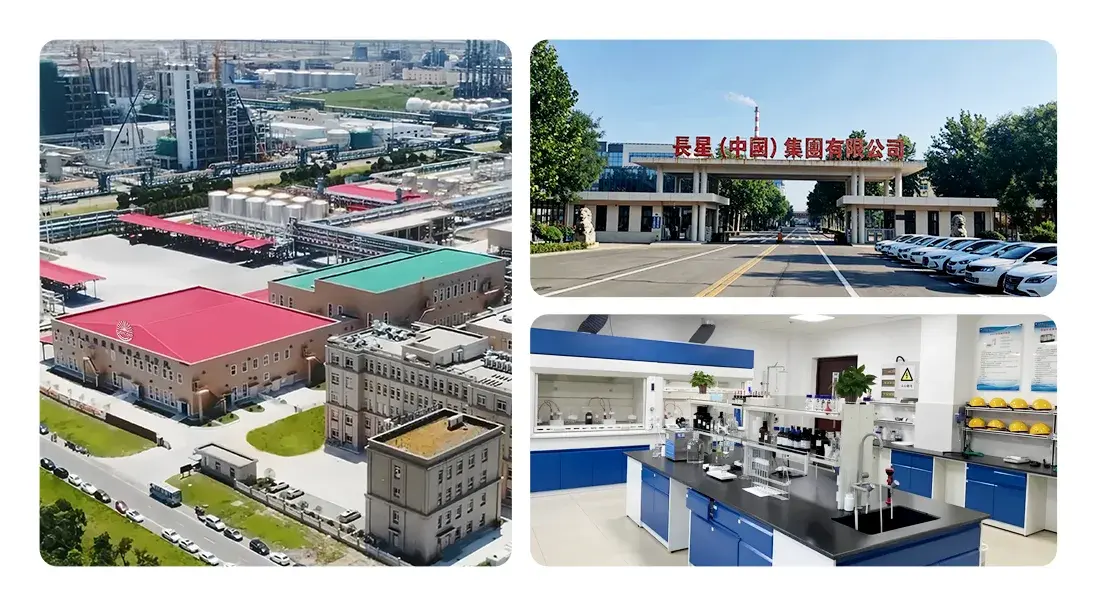
EverStar Group delivers factory-direct Poly Ferric Sulphate with guaranteed ≥19% total iron content and strictly controlled basicity of 10-16%. Since 2012, our 5,000+ ton inventory capacity and EU REACH-compliant manufacturing facility ensure you receive consistent yellow-brown powder that solves your toughest wastewater challenges. Our product achieves phosphorus levels below 0.5 mg/L discharge limits while producing 30% denser flocs than conventional coagulants. With 99.5% on-time delivery to over 50 countries and dedicated technical support, we help municipal plants, electroplating facilities, and textile mills meet stringent environmental standards without process disruptions.
What Makes Our Poly Ferric Sulphate Different?
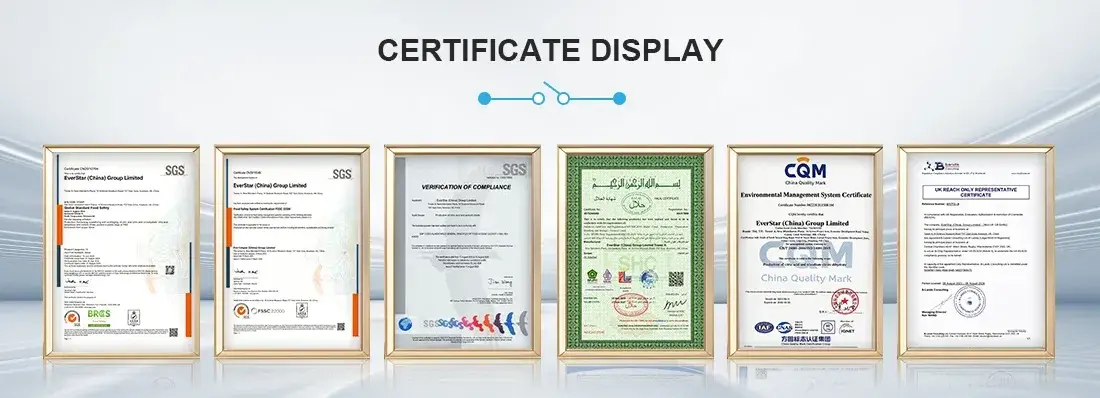
Certified Quality Parameters
You need reliable performance in every batch. Our manufacturing process maintains strict quality control:
| Parameter | Specification | Your Benefit |
|---|---|---|
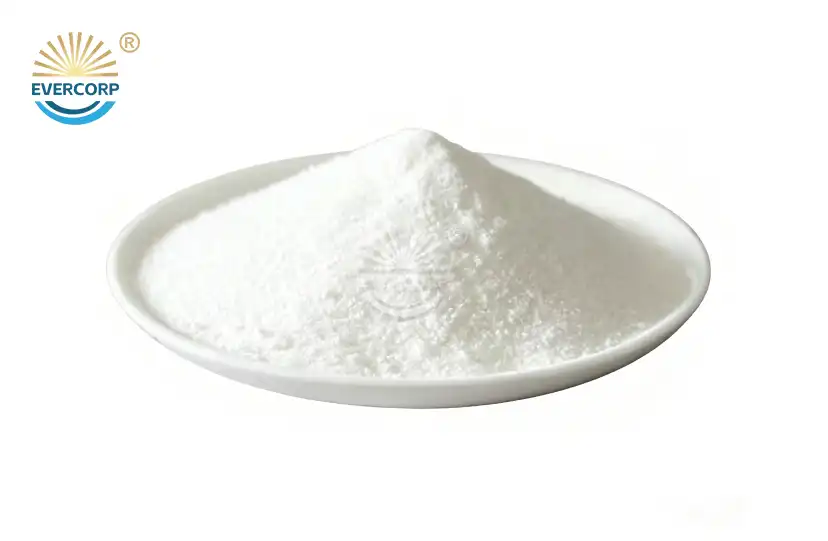
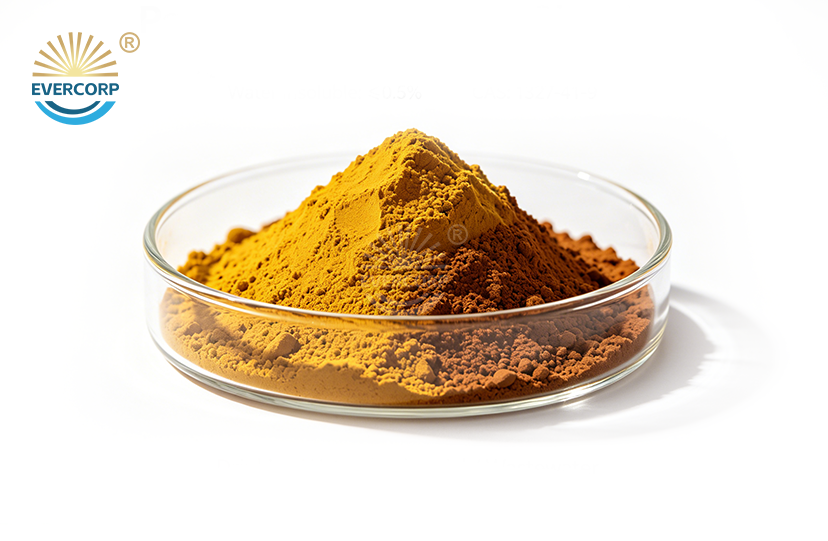
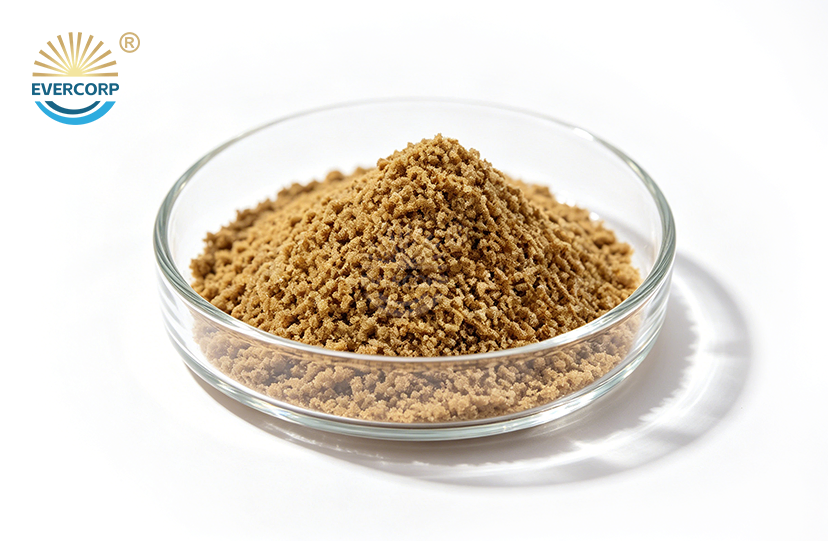
| Appearance | Yellow-brown powder | Easy handling and dissolving |
| Total Iron Content | ≥19% | Maximum coagulation efficiency |
| Basicity | 10-16% | Stable floc formation across pH ranges |
| pH (1% solution) | 1.5-3.0 | Minimal alkalinity consumption |
| Water Insoluble Matter | ≤0.5% | No pipeline clogging or pump damage |
| CAS Number | 10028-22-5 | International standard identification |
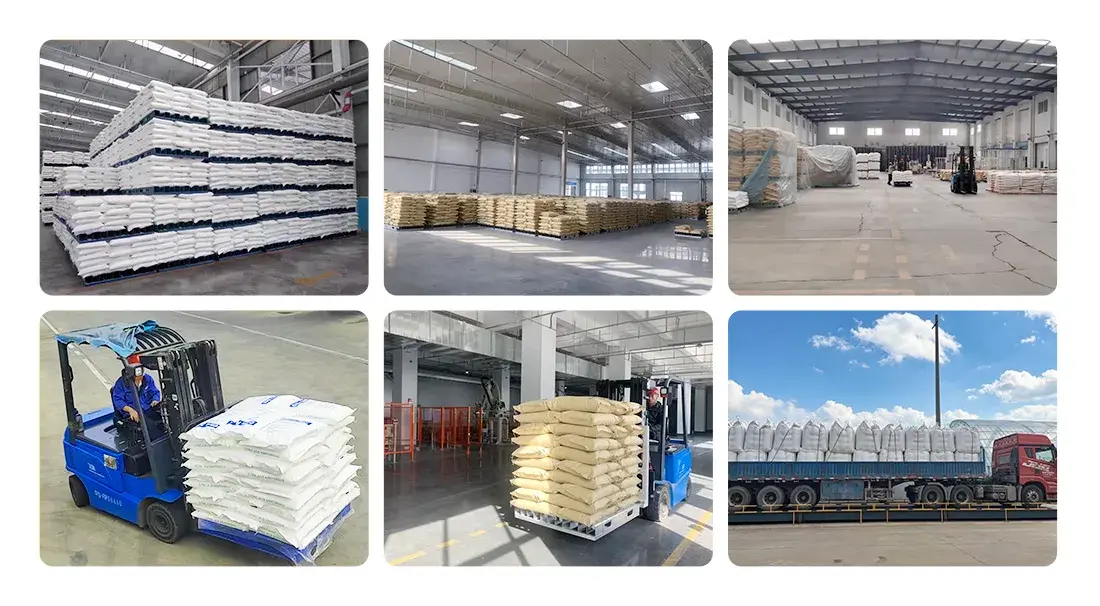
| Packaging | 25kg woven bags | Moisture-proof, easy stacking, 12-month shelf life |
Note: Product specifications may be adjusted during product iteration and optimization. Please submit your inquiry to us for the latest data and official COA documents.
Five Core Advantages for Your Operations
1. Predominant Phosphorus Evacuation Performance
Your release allow requests Add up to Phosphorus underneath 0.5 mg/L. Conventional alum battles with this target. Our item shapes exceedingly steady iron-phosphate complexes that reliably accomplish compliance indeed when influent TP spikes unexpectedly.
2. Overwhelming Metal Co-Precipitation
Electroplating wastewater contains copper, zinc, nickel, and chromium. The multi-nuclear hydroxy complexes in our detailing trap these contaminants at the same time, diminishing your treatment steps and chemical costs.
3. Quicker Settling, Littler Footprint
Dense flocs settle 40% speedier than aluminum-based coagulants. You can handle higher pressure driven loads without extending your clarifier tanks or contributing in extra framework.
4. Cold-Water Reliability
Winter temperatures drop coagulation efficiency in many plants. Our Poly Ferric Sulphate maintains performance down to 5°C, eliminating seasonal treatment failures that lead to permit violations.
5. High-Volume Cost Efficiency
Industrial plants treating 10,000+ m³/day need predictable pricing. Factory-direct supply eliminates distributor margins, and our bulk inventory ensures stable costs even during market fluctuations.
Technical Specifications That Solve Real Problems
Chemical Formula and Structure
Spoken to as [Fe₂(OH)ₙ(SO₄)₃₋ₙ/₂]ₘ, this inorganic polymer highlights numerous hydroxyl bridges. These structures neutralize colloidal charges and interface particles into settleable aggregates.
Effective pH Range
Unlike ferric chloride (ideal pH 5.0-7.0) or alum (pH 6.0-7.5), our item works proficiently from pH 4.0 to 11.0. You dodge exorbitant corrosive or antacid alterations when treating variable mechanical discharges.
Sludge Reduction
Iron-based flocs dewater more totally than aluminum hydroxide. Your channel press cycles abbreviate by 20-30%, and last slime cake dampness substance drops to 65-70% compared to 75-80% with PAC.
Proven Applications Across Industries
Municipal Wastewater Treatment Plants
Activated sludge systems face phosphorus removal challenges. Dosing 30-80 mg/L into secondary clarifiers or tertiary filters precipitates dissolved phosphates. Plant operators in Europe report consistent compliance with <0.5 mg/L effluent limits.
Textile and Dyeing Wastewater
High-chromophore natural colors stand up to organic treatment. Including 50-120 mg/L breaks down color particles through oxidation-reduction responses, accomplishing 90%+ decolorization some time recently organic stages.
Electroplating and Metal Finishing
Complex wastewaters contain cyanides, chelating specialists, and blended overwhelming metals. At pH 8.5-9.5, our item shapes steady hydroxide accelerates, diminishing Cr⁶⁺, Cu²⁺, and Ni²⁺ underneath 0.5 mg/L release thresholds.
Papermaking Emanating Treatment
High-turbidity white water and fiber-laden prepare streams require quick clarification. Measurements of 40-100 mg/L create flocs solid sufficient to withstand high-shear situations in broken up discuss buoyancy frameworks.
How to Optimize Your Dosing Strategy?
Jar Test Protocol
Water quality varies daily. Follow this standard procedure:
- Prepare a 10% stock solution (100g powder in 900ml distilled water)
- Add 0.5ml, 1.0ml, 1.5ml, 2.0ml, 2.5ml to separate 1-liter samples
- Rapid mix at 200 rpm for 1 minute
- Slow mix at 40 rpm for 15 minutes
- Settle for 30 minutes and measure residual turbidity and phosphorus
The optimal dose produces visible flocs within 2-3 minutes and achieves target effluent quality.
Dosing Point Selection
- Pre-aeration tanks: Effective for heavy metal precipitation before biological treatment
- Primary clarifiers: Enhances suspended solids removal by 15-25%
- Secondary clarifiers: Primary choice for phosphorus removal
- Tertiary filters: Polishing step for final effluent compliance
Compatibility Notes
Do not mix directly with anionic flocculants. Dose cationic or nonionic polymers 30-60 seconds after coagulant addition to strengthen floc structure without charge interference.
Storage and Handling Best Practices
Warehouse Requirements
Store in dry, ventilated areas away from alkali chemicals. Ideal temperature range: 0-35°C. Protect bags from direct sunlight to prevent UV degradation of packaging materials.
Dissolution Guidelines
Add powder slowly to water (never reverse) under moderate agitation. Complete dissolution takes 10-15 minutes. Prepare only the volume needed for 8-12 hours to maintain solution stability.
Safety Precautions
The powder is acidic and hygroscopic. Wear tidy veils, gloves, and eye assurance amid taking care of. In case of skin contact, flush instantly with bountiful water. Fabric Security Information Sheets (MSDS) are accessible upon request.
FAQ
Q: Why ought to I select the item over Polyaluminum Chloride?
A: You pick up three basic advantages—superior phosphorus evacuation (50% more compelling), speedier settling rates (40% advancement), and solid cold-water execution. Moreover, you dispense with concerns approximately aluminum buildups influencing oceanic ecosystems.
Q: Does this item essentially lower pH in treated water?
A: The tall basicity (10-16%) implies it expends less alkalinity than ferric chloride. Normal pH drop is 0.3-0.6 units, which your existing buffering capacity more often than not obliges without extra lime dosing.
Q: What is the ideal dose range?
A: Mechanical Applications regularly require 20-150 mg/L depending on influent characteristics. Continuously conduct bump tests with your real wastewater. We give free test testing back to decide your exact requirements.
Q: How do I avoid caking amid long-term storage?
A: Keep packs fixed and stacked on beds (not specifically on concrete floors). Keep up relative stickiness underneath 60% in capacity regions. Legitimately put away fabric remains free-flowing for 12 months.
Q: Can I utilize this item for drinking water treatment?
A: Our standard industrial-grade definition meets GB14591-2016 for wastewater applications. For consumable water, ask our specialized drinking-water-grade item that complies with extra overwhelming metal limits.
Q: What quality testing do you perform on each batch?
A: Our in-house research facility confirms add up to press substance by means of dichromate titration, basicity through acid-base investigation, and overwhelming metals utilizing ICP-OES. Each group gets a Certificate of Investigation some time recently shipment.
Why Partner With EverStar Group?
13 A long time of Fabricating Excellence
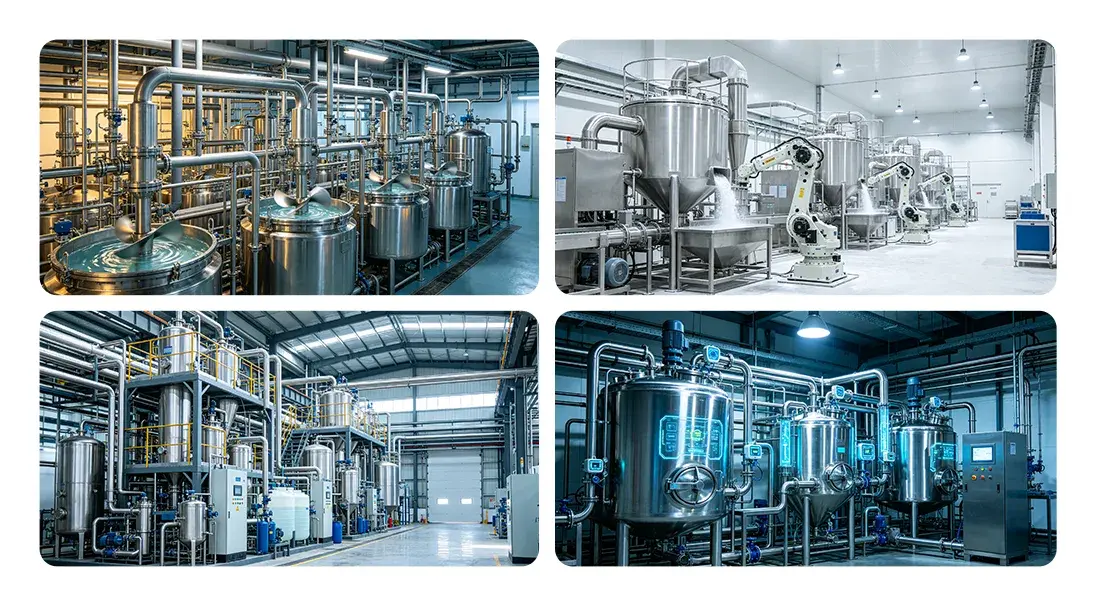
Our devoted chemical generation office works beneath ISO quality administration frameworks. Progressed robotized lines guarantee batch-to-batch consistency that you can depend on for basic compliance applications.
Technical Bolster That Gets it Your Challenges
Our chemical engineers give dosing calculations, investigating direction, and handle optimization suggestions. When you confront unforeseen water quality changes, we react inside 24 hours with viable solutions.
Flexible Arrange Quantities
Whether you require a 25kg trial pack or a full 20-foot holder (20 tons), we oblige your necessities. Trial orders offer assistance you confirm execution some time recently committing to bulk purchases.
Transparent Factory-Direct Pricing
Eliminate wholesaler markups. Our 5,000+ ton stock empowers volume rebates for long-term contracts whereas keeping up steady estimating indeed amid crude fabric taken a toll vacillations.
Get Started With Confidence
Ready to solve your phosphorus removal challenges with Poly Ferric Sulphate? Contact our technical team at info@cneverstar.com with your water quality parameters.