What Is TPEG 2400 Low-Temperature Fluidity Monomer?
* When winter hits your concrete production line and your polycarboxylate superplasticizers suddenly lose their effectiveness, you know how frustrating it feels. Slump loss accelerates, pumpability drops, and your project timelines stretch out. We've seen this challenge across dozens of cold-climate markets, and the solution lies in understanding specialized monomers designed specifically for these conditions.
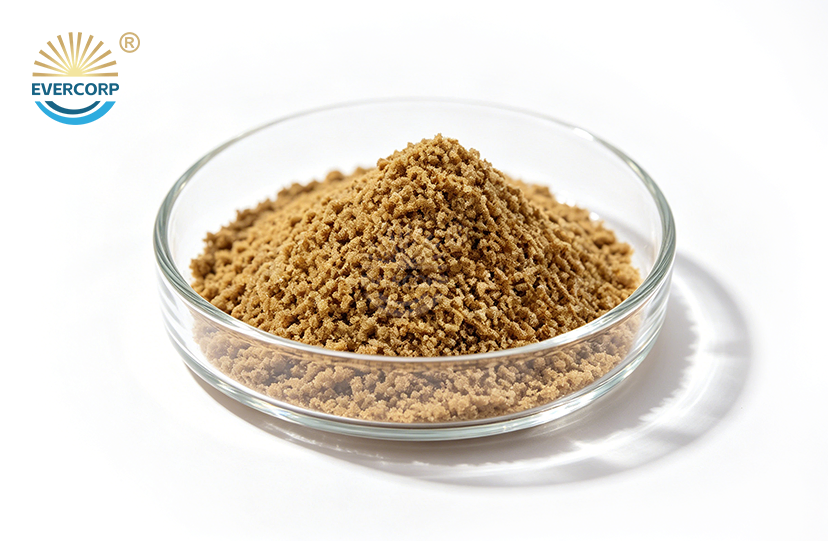
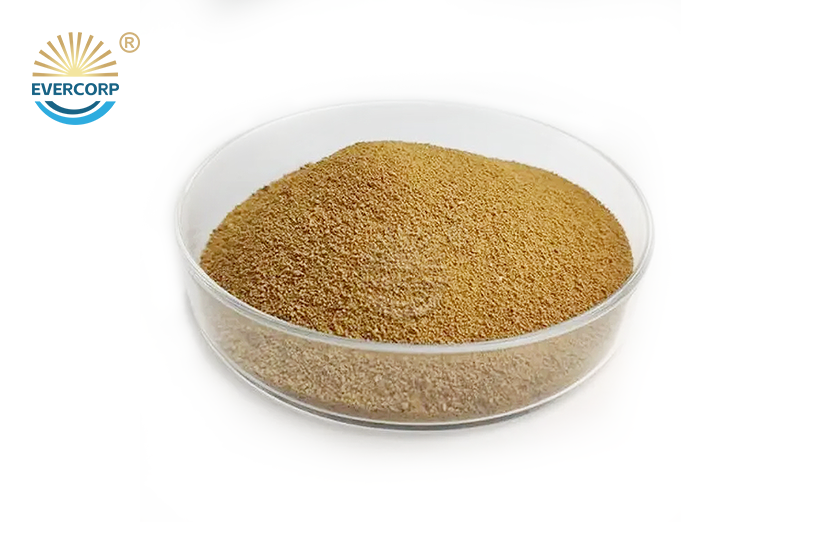
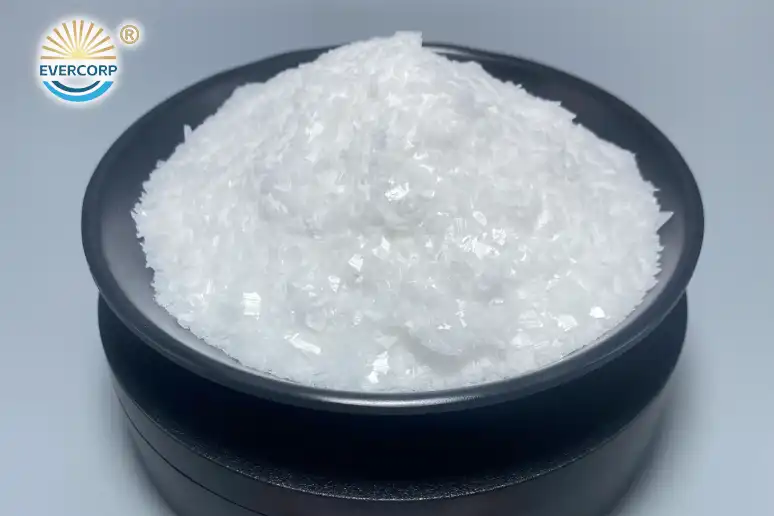
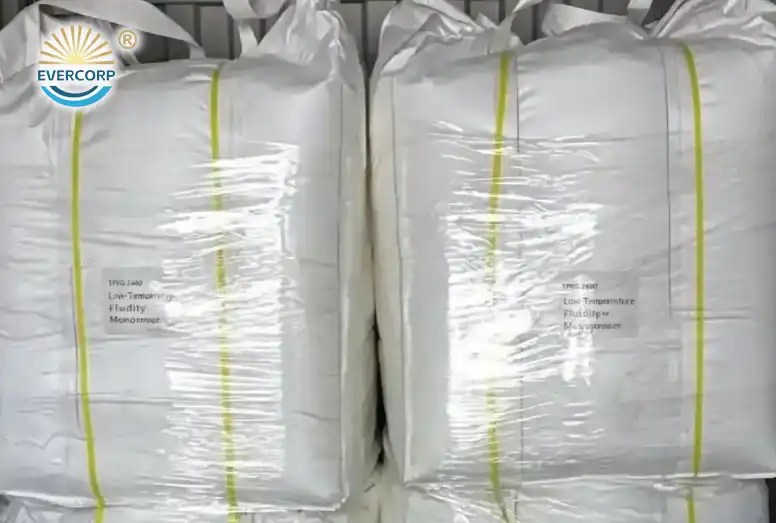
* TPEG 2400 Low-Temperature Fluidity Monomer is a specialized macromonomer with a molecular weight of approximately 2400, engineered to maintain concrete workability and dispersion efficiency at temperatures as low as 5°C. Unlike conventional PCE monomers that suffer viscosity increase and reduced adsorption rates in cold weather, this white to off-white flake material features an optimized ethylene oxide (EO) chain structure that preserves molecular flexibility in freezing environments, ensuring reliable slump retention and consistent concrete performance throughout winter construction cycles.
- Understanding TPEG 2400: Composition and Key Properties
How well this macromonomer works in cold weather depends on how its molecules are organized. The product's molecular weight is carefully controlled to be around 2400 daltons. This is the right amount of side-chain length for reactive functionality. With this exact size, the polycarboxylate copolymer can effectively block the movement of cement particles while still being flexible at low temperatures.
(1). Chemical Structure and Molecular Design
Polyethylene glycol chains topped with reactive vinyl groups make up the backbone structure. Our manufacturing process makes sure that the levels of unsaturation are higher than 0.35 mmol/g. This means that the double bonds stay strong during free radical polymerization. When you make your PCE formulations, these retained double bonds work well in the copolymerization reaction. This reduces the amount of unreacted monomer residues and raises the purity of the final product.
The hydroxyl value range of 22–27 mg KOH/g shows that the EO chain length distribution is controlled. This small range is important because it decides how well your end superplasticizer dissolves in water and what temperature it reaches the glass transition. Lower glass transition points stop the "stiffening" of molecules that happens in regular PCEs when the temperature drops below 10°C.
(2). Physical and Chemical Specifications
It comes in the form of white to off-white flakes, which makes it easier to store and handle. The flake form doesn't stick together when it's being shipped in cold weather, and it breaks easily in your polymerization reactor without the need for pre-heating. The solid content is at least 98%, which lowers the amount of moisture-related factors that can change the structure of the batch.
The pH level of a 5% aqueous solution is between 5.0 and 7.0, which means it works well with cement's alkaline environment. This neutral to slightly acidic range keeps the material from breaking down too quickly while it's being stored and makes sure it works well when it's mixed into concrete. As part of our quality control procedures, we test every output batch for iodine value, GPC molecular weight, and Karl Fischer moisture to make sure they meet these standards.

(3). Safety and Environmental Profile
Material safety data shows that it is not harmful and has a small effect on the environment. The CAS number 31497-33-3 confirms the chemical identity so that it meets the rules in all international markets. Our factories are registered with EU REACH and have ISO 9001 certification, which meets the paperwork needs of buying managers looking for materials for projects in Europe and North America.
Because the monomer is stable, it can be stored at room temperature without the need for special climate control, which lowers your storage costs. Standard safety measures for working with organic chemicals apply, such as making sure there is enough air flow, wearing the right gear, and storing the chemicals in a dry place so they don't absorb moisture. The substance doesn't respond in any odd ways and doesn't need to be kept cold during shipping, even when sent to tropical areas in the summer.
- Applications and Advantages of TPEG 2400 in Industrial Settings
Making concrete with TPEG 2400 Low-Temperature Fluidity Monomer in cold climates is where this macromonomer really shines, showing clear benefits over other materials. When making PCE superplasticizers for infrastructure projects in the north, like building high-speed rail in Canada, fixing up bridges in Scandinavia, or pouring concrete in the winter in Alaska, the low-temperature fluidity properties are necessary rather than desirable.
(1). Winter Infrastructure Construction
In the north, construction windows for high-speed rail projects are small. If the temperature drops below 5°C, most conventional superplasticizers lose 40 to 60% of their ability to reduce water. Your concrete gets hard and won't pump, which means you have to wait longer than planned or heat the mixing water, which uses a lot of energy. Monomers made for cold weather keep the molecular chain flexible, which lets the cement particles spread out well even when the temperature outside is low.
When the seasons change, bridge deck pours are another dangerous situation. It can be 15–20°C cooler during the day than at night. Formulations made from regular HPEG or VPEG monomers don't always keep their slump at these temperature ranges. The improved EO chain structure keeps the rheological properties stable even when the temperature changes. This makes sure that your concrete stays within the required workability ranges during the pour.
(2). Self-Compacting Concrete Formulations
For high-rise apartment building, SCC that runs through crowded reinforcements without vibrating is needed. Temperature sensitivity is a big problem in the spring and fall, when temperatures can drop to 5°C in the morning and rise to 20°C in the afternoon. When the same mix design works differently every day because of changes in temperature, your quality control becomes less reliable.
Using monomers that work best at low temperatures keeps your SCC performance stable across a range of temperatures. The fast adsorption kinetics at low temperatures make sure that the cement particles are spread out right away after mixing. No matter what the temperature is outside (5°C or 25°C), your concrete will still not separate and be able to pass through small spots between reinforcements. This regularity cuts down on problems with quality control and the chance of rejection at placement.
(3). Ready-Mix Long-Distance Transport
Transit mixers that have to travel 90 to 120 minutes from the batch plant to the job site lose water and workability over time. This process usually takes longer when it's cold outside, but regular PCEs lose their effectiveness faster than the cement hardens, making it a race against time that isn't going in the right direction. When transportation paths go through different climate zones, like when they leave the plant at 15°C and get to a mountain site at 2°C, the problem gets worse.
Specialized monomers for cold weather deal with this problem by ensuring long-lasting dispersion. The macromonomer's molecular structure keeps cement particles from sticking together, even when temperatures drop during transport. When your concrete gets to the pour site, it has the right amount of slump and finishability, so there is less waste from returned loads and no costly delays in placement. This improvement in performance directly leads to happier customers and less waste of materials.
(4). Energy Cost Reduction Benefits
Usually, mixed water needs to be heated for winter concreting, or the rock needs to be warmed up, or both. Having these extra heating systems takes a lot of energy and costs a lot to set up and run. Getting rid of or greatly lowering these energy needs is possible if your PCE keeps working at room temperature. We've seen producers' energy costs drop by 30 to 50 percent when they switch from traditional monomer formulations to cold-optimized ones. Most of the time, the expense pays off in just one winter building season.
- Comparing TPEG 2400 with Alternative Low-Temperature Monomers
To make a procurement choice, you need to be able to clearly compare costs and results. The market for low-temperature macromonomers has a number of options, each with its own unique properties that make it useful for different Applications. When you know about these differences, you can choose the right monomer for your climate and concrete application portfolio.
(1). Performance Differentiation from TPEG 1000
Differences in molecular weight cause big changes in function. With a molecular weight of about half that of TPEG 1000, its side chains are shorter, which means they remove more water at first but hold less water over time. The shorter EO chains are also more sensitive to temperature changes. Their glass transition temperature is higher, which means they aren't as good for use in temperatures below 10°C.
The 2400 molecular weight version has better slump retention over 90- to 120-minute windows, making it better for winter concreting jobs that need longer workability. During the placement period, your concrete will continue to flow in the same way. The longer side chains make better steric resistance that lasts as the cement hardens. This is especially helpful when working at low temperatures, which slows down the finishing process.
This is where cost factors into the decision matrix. TPEG 2400 Low-Temperature Fluidity Monomer with a lower molecular weight, usually costs less per kilogram, but the higher dosage rates needed to get the same performance in cold weather often cancel out the price difference. When you do a lifecycle cost analysis, you should look at how much monomer is used per cubic meter of concrete, how much energy is saved by not having to heat as much, and how better quality control is affected by more consistent performance.
(2). Comparison with HPEG and VPEG Alternatives
The standard-temperature PCE market is mostly made up of conventional HPEG (methallyl alcohol polyether) and VPEG (vinyl ether variants). These materials work well between 15°C and 30°C, but they become less useful as the temperature drops below 10°C. Standard HPEG versions didn't have molecular structures that were best for being flexible in cold weather.
Because they have more vinyl groups at the end, VPEG materials work better in cold temperatures than HPEG ones, but they're still not as good as cold-weather-specific versions. The EO chain distribution in regular VPEG products is aimed at a wider range of uses rather than specific winter performance. When you have to build things all winter, the small performance boost from cold-optimized materials makes the change in specifications worth it.
Planning for a shift is affected by compatibility issues. When switching to cold-weather-optimized alternatives to HPEG or VPEG, you may need to make changes to your acrylic acid ratios, chain transfer agent levels, and polymerization temperature profiles. We suggest running alternate trial batches during the qualification process to make sure the new recipe works best before starting full-scale production.
(3). Market Positioning and Procurement Strategy
Global supply trends show that most of the production is in Asia, while Europe's capacity is rising. There are big differences in how consistent the quality is between suppliers, so technical qualification is needed before committing to a large order. The important measure of polymerization efficiency is double bond retention rates, which can range from 92% to 98% based on how the manufacturing process is controlled. That 6% difference will show up in your final PCE results in a way that you can see.
When evaluating a supplier, people in charge of buying things should ask for Certificates of Analysis for more than one production batch. Check that the hydroxyl value, levels of unsaturation, and moisture content are all the same from one batch to the next. Critical measures show variation of less than 2% from batch to batch from suppliers with strong quality control systems. This consistency cuts down on formulation troubleshooting and makes sure that the performance of the concrete is consistent across production runs.
The changes in prices show how much raw materials cost, especially the cost of ethylene oxide and catalyst. Seasonal trends of demand affect supply. For example, northern hemisphere suppliers are in high demand in the fall when concrete makers stock up for the winter. If you plan your purchasing so that you make orders in the summer, you can usually get better prices and be sure that you will have enough supplies for your winter output season.
- Procurement Guide for TPEG 2400: Sourcing, Ordering, and Logistics
To do effective sourcing, you need to know more about a supplier's skills than just the basic product specs. Large chemical companies, specialized building chemical providers, and regional wholesalers are all in the cold-weather monomer market. Depending on your annual volume needs and technical support needs, each channel has its own benefits.
(1). Supplier Qualification Criteria
As part of a technical capability assessment, the production capacity, quality control infrastructure, and availability of R&D support should all be looked at. Manufacturers with dedicated polyether production lines that can handle more than 5,000 tons of product per year usually have more consistent quality than those who use multi-purpose equipment for campaign production. Ask possible providers how they manage the spread of molecular weight and how they improve the retention of double bonds.
When buying TPEG 2400 Low-Temperature Fluidity Monomer from other countries, the certification collection is important. For deliveries going to Europe, EU REACH registration is now required. Customers in North America should make sure that the products they buy are in line with EPA and FDA rules if they are going to be used in ways that could come into contact with drinking water systems. More and more, markets in Asia and the Middle East need Halal certification for everything, even Industrial Chemicals. We keep all of our Certifications up to date, such as ISO 9001, REACH, KOSHER, and Halal paperwork to make your compliance needs easier.
Third-party testing and proof gives seller claims more weight. Look for companies that regularly test their products with SGS or Intertek, in addition to their own quality control. These outside checks make sure that the product's performance matches what was advertised, and they lower the chance that you'll get material that doesn't meet the specs.
(2). Ordering Process and Logistics Considerations
First-time trial orders normally require one metric tonne, or forty 25-kilogram bags that fit on a pallet. This sample amount helps you perfect the recipe and try it in cold weather before committing to greater amounts. Five metric tons are the minimum for future production orders. This maximizes container use and reduces overseas shipping expenses.
Sample request instructions should be simple. Reputable suppliers provide free 0.5–1 kilogram lab samples for the first compatibility test. Request samples from two production runs to verify uniformity. Your recipe should be tested for four to six weeks to properly characterize the polymerization process and confirm concrete performance at different temperatures.
Lead times depend on order size and season. Strategic inventory manufacturers ship standard products in stock within three to five working days. Formula adjustments for custom specs increase lead times by two to three weeks for minor quantities. During autumn peak production, orders over 50 tonnes may need to be coordinated with production schedules.
Shipping logistics favor suppliers near large ports. Container freight from Asian production centers to west coast North American ports takes 18–25 days. Travelling across the country may take longer depending on your facility. Shipping items from Asia to Europe takes 30–40 days. Asian providers must handle containers carefully in cold weather to avoid moisture and condensation issues when shipping to northern Europe or Canada.
(3). Technical Support and After-Sales Service
Help with formula creation is what sets technical partners apart from commodity providers. If you want to switch to monomers that work better in cold weather, you will probably need to make changes to the acrylic acid ratios, initiator systems, and polymerization parameters. Suppliers with expert support available 24 hours a day, 7 days a week, in multiple languages can help you improve formulations more quickly and fix output problems as they happen.
Technical data sheets, safety data sheets, and certificates of analysis should all be included in documentation packages. Good providers also give out application guides that include suggested starting formulations, polymerization procedures, and test methods for cold-weather performance. These tools will speed up the approval process and lower the chance of making mistakes with the formulation during the first scale-up.
Support for testing in the field is another important part of the service. Some suppliers will train your synthesis team and concrete testing staff right where they work. This hands-on help helps your staff understand what makes the material special and improves the way it is handled. Getting the right training pays off in the form of faster formulation optimization and lower batch rejection rates.
- Conclusion
TPEG 2400 Low-Temperature Fluidity Monomer fills a major need in making concrete in cold climates by keeping the polycarboxylate superplasticizer working well when temperatures drop below normal limits. Its optimized molecular weight and EO chain structure provide stable diffusion efficiency at 5–10°C, so you don't have to spend money on heating and can extend the building season. When looking at monomers for winter uses, make sure they meet certain criteria, such as double bond retention above 98%, controlled hydroxyl values, and consistency from batch to batch. Instead of just looking at the initial price, you should consider technical performance data, the quality management skills of the supplier, and the total cost over the product's life. With the right monomer partnership, building in the winter can go from being hard to being an advantage.
- FAQ
(1). How does TPEG 2400 maintain fluidity at low temperatures?
The molecular design includes ethylene oxide chain pieces that are the right length and can bend easily. When temperatures drop, shorter-chain monomers become stiffer, but these EO chains don't do that. The resulting copolymer's glass transition temperature stays below the normal temperature range for winter, which means that the polymer can still disperse well at 5–10°C. This chemical flexibility directly translates to long-term workability of concrete that doesn't need extra warmth.
(2). Can TPEG 2400 replace existing monomers in our current formulation?
Most of the time, direct substitution needs changes to the formulation. Compared to HPEG or other materials with lower molecular weight, the longer molecular chains change how quickly water is lost and how long the material stays slumped. We suggest starting with a 70:30 mix of your current monomer and the cold-weather variant. Then, based on performance tests, you can change the amounts. To make the full transfer, the acrylic acid content and polymerization factors usually need to be tweaked to get the best performance from the new monomer.
(3). What quality tests should we conduct on received material?
The most important tests are the hydroxyl value titration (22–27 mg KOH/g), the iodine value method for measuring unsaturation (target ≥0.35 mmol/g), and the Karl Fischer moisture analysis (should be below 0.3%). Molecular weight distribution through GPC gives you even more proof that the specifications are being met. These tests show that the material will do what you want it to do in the polymerization process and in the concrete applications that follow.
- Partner with EverStar Group for Reliable Cold-Weather Concrete Solutions
EverStar Group offers TPEG 2400 Low-Temperature Fluidity Monomer directly from the plant. They have three production sites across three regions and have been making chemicals for 14 years. Our yearly capacity of 50,000 tons provides a steady supply during the busiest winter months, and our EU REACH, ISO 9001, and third-party SGS standards make sure that we meet the requirements of global markets. We keep a strategic 5,000-ton inventory close to major ports so that standard orders can be delivered in three days and custom formulations can be made in five to seven days. As a reliable provider of TPEG 2400 Low-Temperature Fluidity Monomer to Fortune 500 companies like CEMEX and CHT, we offer full technical support, including free sample testing with your local aggregates, on-site formulation optimization, and engineering help in multiple languages 24 hours a day, seven days a week. Visit cneverstar.com or email info@cneverstar.com to get a free trial sample and learn how our cold-climate macromonomers can cut your winter energy costs by 30–50% and make your construction season longer.
References
1. ACI Committee 306. (2016). ACI 306R-16: Guide to Cold Weather Concreting. American Concrete Institute.
2. Ke, K., Yao, H., & Wang, Y. (2020). Effect of chemical structure on dispersity of polycarboxylate superplasticiser in cement paste. Advances in Cement Research, 32(10), 456–464.
3. Chen, X.-q., Cheng, X., Wen, X.-d., Xun, J., & Shen, Y.-f. (2021). Research on the effectiveness of polycarboxylate superplasticisers with different side-chain lengths. Advances in Cement Research, 33(1), 39–45.
4. Wang, X., Ran, Q., Yang, Y., & Shu, X. (2016). Impact of molecular weight of block polycarboxylate superplasticisers on the dispersion of cement paste. Advances in Cement Research, 28(6), 371–377.
5. Zhang, H., Ye, J., & Zhang, J. (2024). Synergistic effects of ethylene glycol solution and polycarboxylate superplasticizer on the hydration of calcium sulphoaluminate cement at −10°C. Journal of Materials in Civil Engineering, 36(1).
6. Yamada, K., Yanagisawa, T., & Hanehara, S. (1999). Influence of temperature on the dispersibility of polycarboxylate type superplasticizer for highly fluid concrete. Journal of Research of the Taiheiyo Cement Corporation, (137), 3–10.