HPEG 2400 Extended Slump Retention Monomer: Key Raw Material for High Performance Concrete
* When concrete loses workability during transport, construction delays cascade into budget overruns and quality compromises. HPEG 2400 Extended Slump Retention Monomer solves this precise challenge by maintaining concrete fluidity for 180+ minutes without sacrificing structural integrity. This polyoxyethylene ether macromonomer with a molecular weight of 2400 g/mol represents a significant advancement in polycarboxylate ether (PCE) superplasticizer technology, particularly for ready-mix producers operating in high-temperature regions where rapid slump loss creates operational nightmares.
- Understanding HPEG 2400: Properties and Benefits for Concrete Applications

The science behind long-lasting slump preservation is based on the structure of molecules. The polyether side chains of HPEG 2400 Extended Slump Retention Monomer are longer than those of other monomers. This makes them better at preventing cement particles from sticking together. This system keeps the concrete spread out without using chemical slow-downs that hurt early strength development.
(1). Key Physical and Chemical Characteristics
The monomer looks like white to off-white flakes and has a solid content of more than 98%, which means that moisture won't get in the way of PCE production very much. The amount of hydroxyl it has is between 22 and 28 mg KOH/g, and its pH stays stable in water between 5 and 7. The level of unsaturation is ≥0.35 mmol/g, which means that copolymerization with acrylic acid will work well during production. The moisture level stays below 0.2%, which stops premature hydrolysis that would lower the efficiency of polymerization.
This monomer stands out because it keeps more than 95% of its double bonds. This standard is important because it has a direct effect on how well the monomer joins with the PCE backbone during synthesis. Lower retention rates cause reactions to stop before they're finished, which wastes raw materials and makes the performance of the admixture unpredictable.
(2). Performance Benefits Across Climate Zones
Working with concrete is more than just reducing the amount of water it needs. In tropical areas with temps above 35°C, regular superplasticizers stop working in just 60 minutes because they lose their ability to make things workable because of faster hydration processes. The long molecular chains of this monomer make a barrier around the cement particles that stops heat from speeding up.
Large-scale building projects show what the effect of HPEG 2400 Extended Slump Retention Monomer is in real life. For long periods of time, continuous placement is needed for mass concrete pours for dam foundations or high-rise raft slabs. Chemical retarders or secondary doses are used in traditional methods, which make things more complicated and increase the risk of harm. This monomer keeps its high flowability during pours that last for hours, and it also supports low-heat hydration profiles that are necessary to keep thermal cracking from happening.
- HPEG 2400 vs Other Slump Retention Monomers: Making the Optimal Choice
When the admixture business makes choices about what to buy, they weigh technical success against the total cost of ownership. When you look at the different molecular weights, you can see why the 2400 specification is so important.
(1). Superior Hot Weather Resistance
Monomers with a lower molecular weight, usually between 1800 and 2000, are good at removing water but have trouble keeping it when heated up. When heat increases the speed at which particles collide, their shorter side chains don't provide enough steric safety. On the other hand, molecular weights above 3000 can cause over-retardation, which can delay setting times and mess up building plans.
The best balance is reached at a molecular weight of 2400. In Southeast Asian markets where the temperature reached 38°C, tests showed that concrete could keep its slump values above 180mm for three hours without needing to be dosed again. For similar formulas using 2000 molecular weight monomers to be workable, they needed extra amounts after 90 minutes.
(2). Cement Compatibility and Formulation Flexibility
Different types of cement have different mineral makeup that affect how well admixtures work. High C3A cements are common in some markets, and they harden quickly, using up the superplasticizer's effectiveness very quickly. The longer side chains of this monomer can buffer against these changes, making the performance more consistent across different cement sources.
This is a big problem for concrete producers who serve more than one market. If a recipe is designed for one type of cement, it might not work with other providers. This sensitivity is lowered by HPEG 2400 Extended Slump Retention Monomer, which lets makers keep mix designs the same even when raw materials change. This freedom leads to better operations and fewer requests for technical help.
(3). Long-Term Value Considerations
When procurement teams look at monomer options, they need to look at more than just the cost per ton. They need to look at the total value delivered. Lower intake rates because of better efficiency often cancel out price increases that seem to be there. When concrete stays workable without extra dosing, it saves money on labor and makes the job better. Rejected loads because they don't slump enough are a huge waste of resources that don't save any raw materials.
This economics is shown by field data from ready-mix operations in the Middle East. When businesses moved to monomers with a higher molecular weight, customer complaints dropped by 60% during the busy summer months. The extra cost of the monomer was dwarfed by the cost of dealing with complaints, refused loads, and damage to the company's image.
- Procurement and Supply Chain Insights for HPEG 2400
More than just technical proof is needed to add new raw materials to production processes. If lab success can be turned into a business, it depends on how reliable the supply chain is, how well the logistics work, and how well the regulations are followed.
(1). Manufacturing Capacity and Delivery Assurance
EverStar Group runs production facilities that can make more than 50,000 tons of HPEG 2400 Extended Slump Retention Monomer goods a year, and they keep a strategic inventory of 5,000 tons or more. This scale is important when production plans are thrown off by sudden increases in demand or when trying new recipes needs quick sample iteration. Our facilities are close to major ports, which cuts down on transportation costs and gives us more control over shipping plans.
The minimum order quantity is 5 tons, which lets medium-sized makers try out the monomer without having to commit to too much inventory. Standard products are sent out within three days, while customized orders that include specific purity needs or packaging preferences are sent out within five to seven days.
(2). Regulatory Compliance and Documentation
For international business to run smoothly, all regulations must be aligned. The monomer is registered with EU REACH, which makes it easy to sell in all European markets.
- Certifications including ISO and GCC standards make sure that the products work with regional building rules. Halal and KOSHER certifications help with sales in places where religious rules must be followed.
Each shipment comes with full paperwork packages that include Safety Data Sheets (SDS) in several languages, Certificates of Analysis (COA) that show test results specific to the batch, and Technical Data Sheets (TDS) that explain how to use the product. Third-party testing through SGS and Intertek gives customers who want extra assurance an independent check.
(3). Flexible Commercial Terms
Managing cash flow is hard when you're buying from businesses. We offer different ways for buyers to pay, such as letters of credit for first-time customers and longer terms for partners we've worked with before. This adaptability comes from the fact that building ties with suppliers means dealing with different business and banking systems.
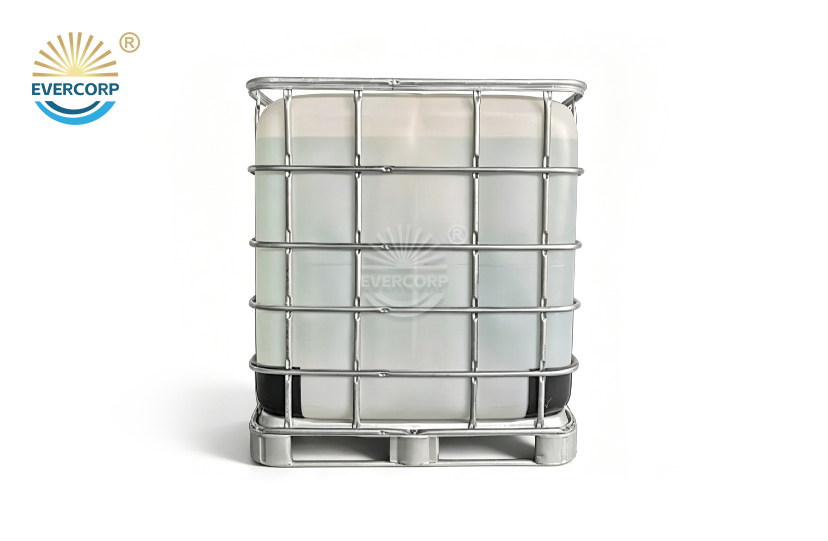
Packaging choices include 25 kg bags for lab tests, intermediate bulk containers (IBC), and bulk tanker shipments for large-scale operations. This freedom means that big customers don't have to waste packaging, and small users can still easily handle the product.
- Application Methods and Best Practices for Using HPEG 2400 in Concrete
Technical details don't mean much if they can't be put into practice. To successfully deploy this monomer, you need to know how it works with current PCE synthesis methods and concrete mix designs.
(1). PCE Synthesis Parameters
The monomer and acrylic acid copolymerize in a controlled way. Aqueous solution polymerization at temperatures between 60°C and 90°C, using peroxide or persulfate as initiators, is a common way to make things. Because it keeps a lot of double bonds, it's easy to incorporate into the polymer backbone, which cuts down on the waste of unreacted monomers.
The molecular amounts of the monomer and acrylic acid need to be tweaked based on how well the concrete is supposed to work. A higher monomer level makes the slump last longer, but it may slow down the initial water loss. Combining HPEG 2400 Extended Slump Retention Monomer with lower molecular weight variants in mixing methods makes mixes that are good at both spreading right away and being workable for a long time.
(2). Concrete Mix Design Integration
Dosage rates for additives usually fall between 0.15 and 0.40% by weight of cement. These rates can change depending on the type of cement, the water-to-cement ratio, and the desired performance. For high-strength concrete mixes (C60–C80 grades), bigger doses are often needed to get the workability needed while keeping the water level low.
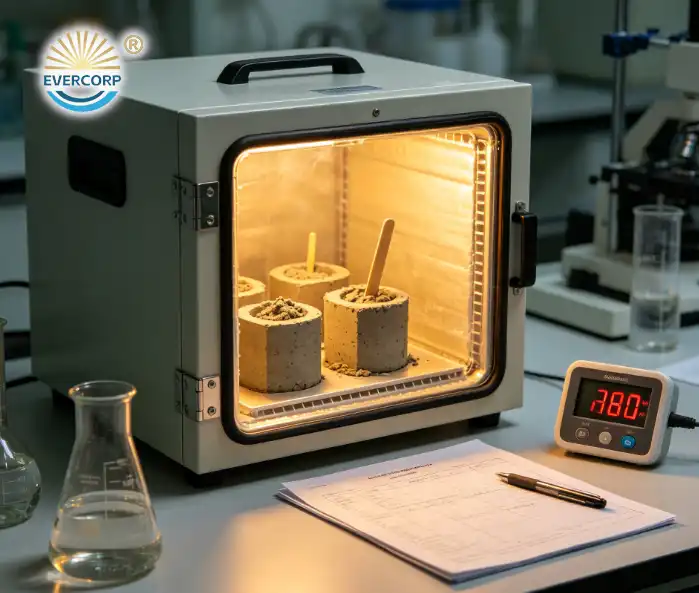
The settings used for testing should be the same as those at the real spot. When tested in the lab at 23°C, a product may work fine, but it won't in the field at 35°C. Simulated testing at high temperatures gives accurate predictions of performance, which keeps expensive fails from happening in the field. EverStar Group provides research and development support 24 hours a day, 7 days a week to help improve formulations for different regions, types of cement, and performance needs.
(3). Troubleshooting Common Challenges
When high molecular weight monomers are mixed with some types of cement or extra cementitious materials, excessive delay can happen. This shows up as setting being delayed for too long of a time. Some solutions are to change the amounts of monomers and acids, add small amounts of admixtures that speed up the process, or mix with monomers that have a lower molecular weight.
When monomer standards change from batch to batch, there are worries about consistency. When molecular weight variations are outside of certain ranges (2400±100 g/mol), concrete behaves in ways that are hard to predict. Performance consistency is maintained by strict quality control at the supplier level, which includes iodine value testing for double-bond confirmation and experimental synthesis trials.
- Why Choose HPEG 2400? The Rational Choice for High-Performance Concrete Solutions
The strategic choice of raw materials affects both the efficiency of production right now and the company's place in the market in the future. This monomer is the best choice for forward-thinking companies that make concrete additives for a number of reasons.
(1). Technical Performance Consistency
Because the monomer is chemically stable and has precise molecular weight control, the behavior of the concrete can be predicted. Producers who want to build a reputation in their region for dependable workability need raw materials that work the same way no matter what the season is or how much cement is available. In mature markets where customers expect guarantyd performance, this dependability becomes a way to stand out from the competition.
(2). Supplier Partnership Value
Getting raw materials is more than just making purchases. The ability to provide technical help has a big effect on how well an implementation goes. The in-house labs at EverStar Group help customers find the best synthesis conditions for their equipment and target markets by creating custom formulations. Before committing to large-scale production, free samples can be used to test the product with local aggregates and cements.
Our multilingual technical team is available 24 hours a day, seven days a week, across all time zones to answer questions about synthesis, fix performance problems, and give advice on how to make the best use of mix designs. When entering new markets or making specific concrete Applications, this service framework is very helpful.
(3). Sustainability and Future-Readiness
Environmental responsibility is becoming more and more important in the construction industry. Because the monomer works so well, less chemical is used per cubic meter of concrete. Longer workability cuts down on rejected batches and waste. EverStar Group has promised to cut carbon emissions by 30% by 2030. This is in line with customer sustainability efforts and supports LEED certification and green building projects.
Research and development spending (5% of annual income) makes sure that products are always getting better and new ones are being made. As building technology moves toward more durable and high-performance concrete, our innovation pipeline helps customers adapt to new market needs.
-Conclusion
The main task of HPEG 2400 Extended Slump Retention Monomer is to keep the workability of concrete high under tough conditions without affecting its strength development. Its molecular architecture has been adjusted to provide longer slump retention through steric hindrance processes instead of chemical retardation. This technical approach works especially well for ready-mix businesses that deliver over long distances, work in hot climates, or make high-performance concrete. It can be a strategic raw material that helps concrete producers set their products apart and solve customer problems that generic admixtures can't. This is possible when they have reliable supply chains, full technical support, and strict quality control.
FAQ
(1). Why choose 2400 molecular weight specifically for tropical construction applications?
The 2400 molecular weight makes the polyether side chains longer, which makes it harder for cement particles to move around. This molecular structure doesn't react quickly to water loss that happens in high-temperature environments. It stays workable for 180 minutes or more, even when the temperature outside is above 35°C. Lower molecular weights don't protect well enough against thermal stress, and higher weights risk setting too slowly.
(2). Does extended slump retention affect early concrete strength development?
When mixed correctly, this monomer makes the material easier to work with by spreading out physically instead of chemically slowing it down. The compression strengths after 24 hours are still about the same as with regular additives, and the strengths after 7 days and 28 days meet or beat the design standards. The key is to use the right amount and make sure that the recipe balances with other PCE components.
(3). How does storage stability impact monomer performance?
It is important for keeping stability that the moisture level is less than 0.2%. The monomer should stay in buildings that are cool, dry, and well-ventilated in cases that are tightly sealed. Humidity can cause hygroscopic absorption, which can cause caking and even premature breakdown. Material that is stored properly will keep working the same way for a year, but containers that have been opened should be used right away.
- Partner with a Trusted HPEG 2400 Extended Slump Retention Monomer Manufacturer
EverStar Group has 14 years of experience making specialized goods and has the production scale and technical skills that mid-sized admixture makers need. When you buy from Our Factory directly, there are no markups added by middlemen. This saves you 20–40% on costs compared to buying through distributors, and our high quality standards are confirmed by ISO and REACH Certifications. You are welcome to ask for free samples so that we can test their compatibility with your cement sources and mix designs. Our team will work with you to find the best synthesis settings and concrete formulas so that the project goes smoothly. Get in touch with info@cneverstar.com right away to talk about your specific slump retention problems and find out how our HPEG 2400 Extended Slump Retention Monomer supplier can help you reach your production goals. You can find full technical specs, case studies, and resources you can download at cneverstar.com.
References
1. Fang, Y., et al. (2023). Study on dispersion, adsorption, and hydration effects of polycarboxylate superplasticizers with different side chain structures in reference cement and belite cement. Materials, 16(11), 4168.
2. Li, Z. K., & Peng, J. H. (2013). Adsorption behavior of polycarboxylate superplasticizer on cement particles. Applied Mechanics and Materials, 405–408, 2834.
3. Lv, S. H., Gao, R. J., & Duan, J. P. (2011). Effects of chemical structure on adsorption of polycarboxylate superplasticizers on cement particles. Applied Mechanics and Materials, 80–81, 185–189.
4. Liu, Y., et al. (2018). Effect of molecular weight of slow-release polycarboxylate superplasticizer on the properties of cementitious system. Advances in Cement Research, 30(7), 285–291.
5. Lv, S. H., Li, D., & Cao, Q. (2012). Study on relationship between structure and properties of polycarboxylate superplasticizer. Advanced Materials Research, 487, 43.
6. Gao, R. J., Lv, S. H., & Cao, Q. (2012). Effects of polycarboxylate superplasticizers on hydration and microstructure of hardened cement paste. Advanced Materials Research, 487, 692–696.