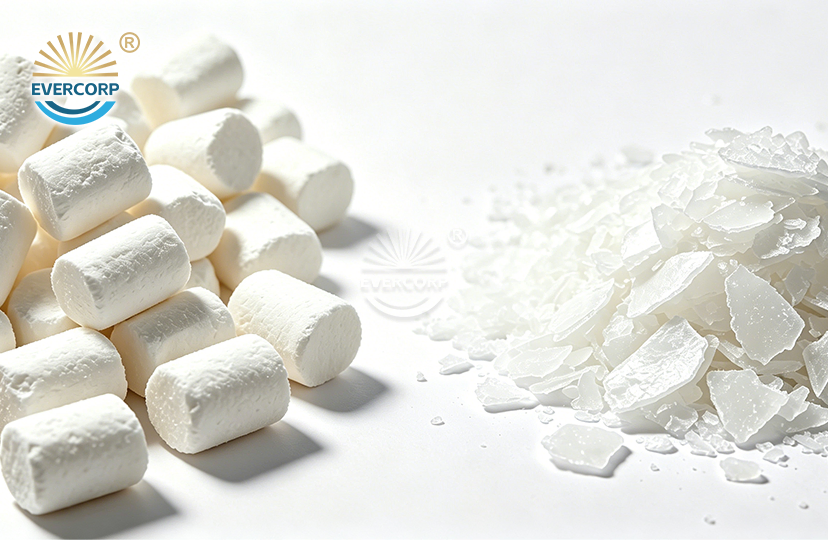
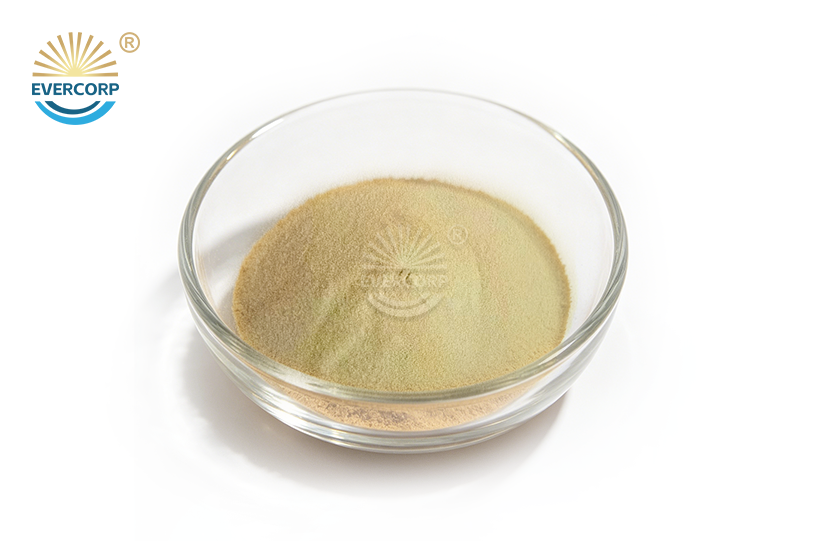
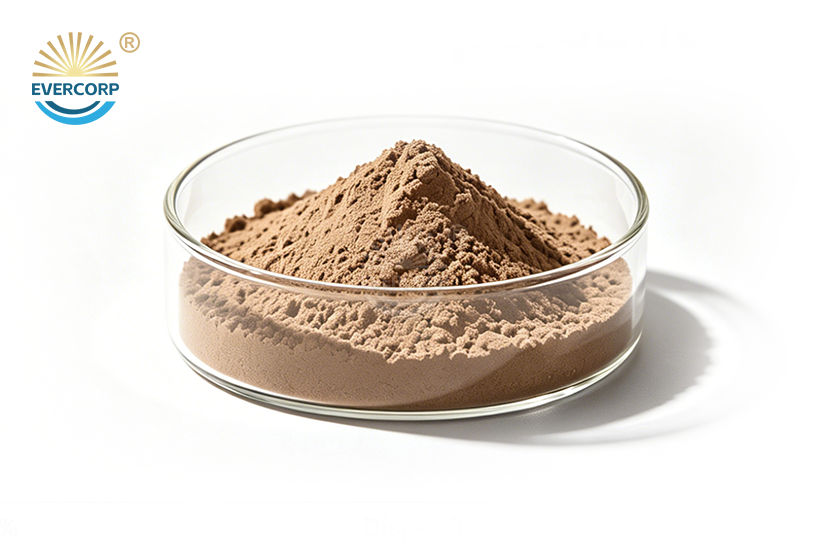
Sodium Naphthalene Sulfonate
Solid Content: ≥92%
Sodium Sulfate: ≤5% (low-salt), ≤18% (standard)
Chloride: ≤0.3%
pH (20°C): 7-9
Dispersing Power: ≥95% (CaCO₃ method)
CAS: 36290-04-7
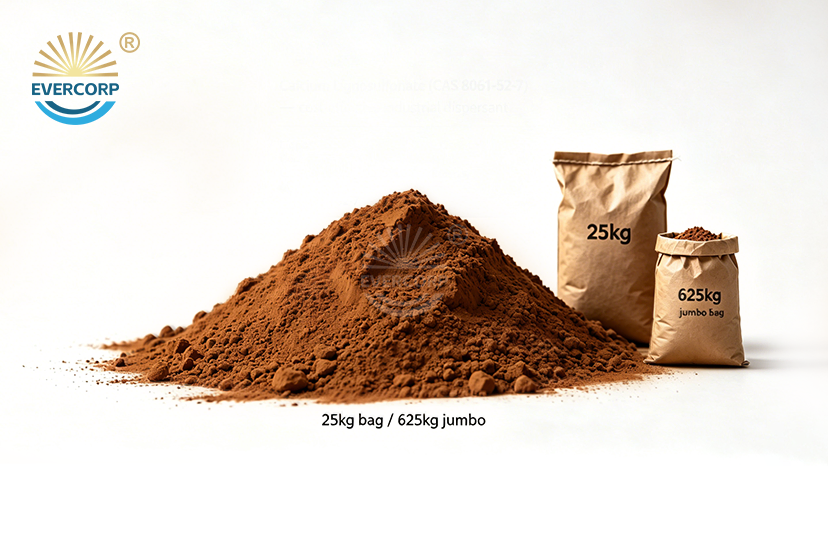
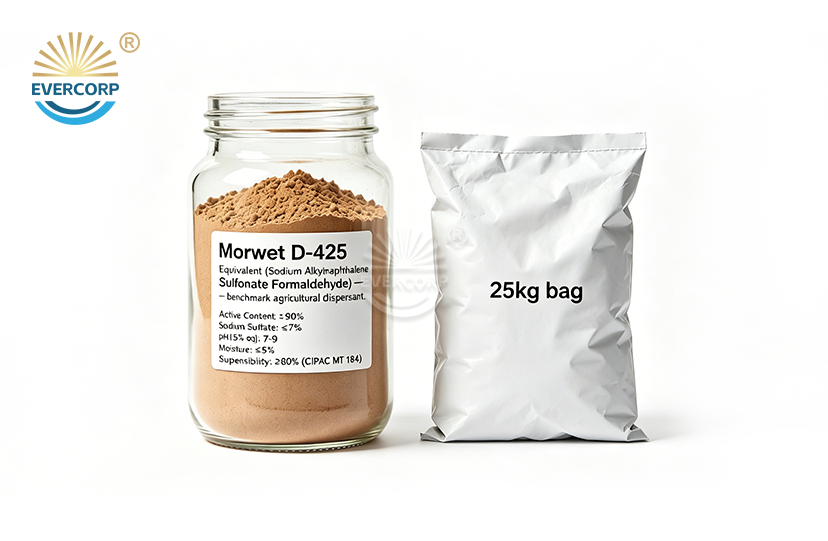
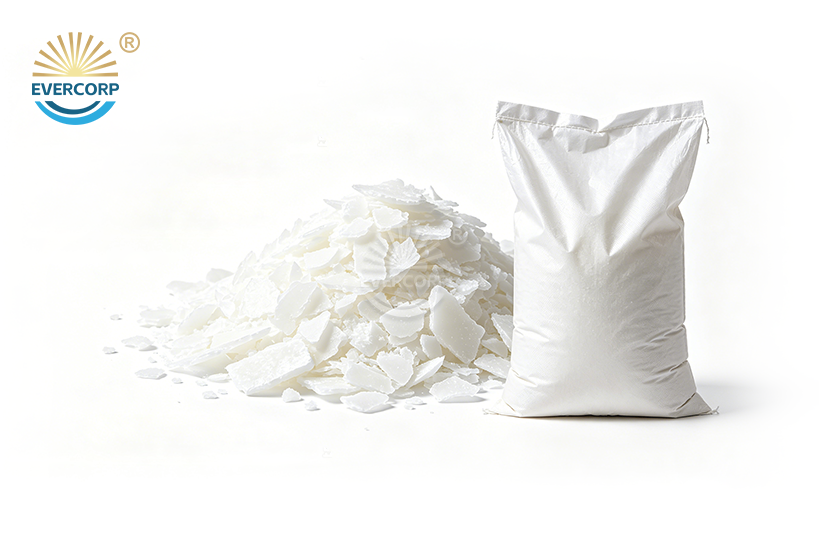
Package: 25kg / 625kg / 650kg bag
Sodium Naphthalene Sulfonate – High-Performance Anionic Dispersant for Multi-Industry Applications
EverStar Group manufactures premium Sodium Naphthalene Sulfonate with over 13 years of chemical production expertise and a 5,000-ton on-site inventory capacity. Our advanced manufacturing base delivers factory-direct pricing with 99.5% on-time delivery to 50+ countries worldwide. This high-efficiency anionic dispersant features superior thermal stability up to 135°C, solid content ≥92%, and dispersing power ≥95% by CaCO₃ method. Available in low-salt grade (Na₂SO₄ ≤5%) and standard grade (≤18%), our product offers 10–20% stronger diffusion power than conventional NNO formulations. EU REACH compliant and ISO certified, every batch undergoes rigorous laboratory testing to ensure consistent performance across textile dyeing, concrete admixtures, leather processing, and agrochemical formulations.

What is Sodium Naphthalene Sulfonate?
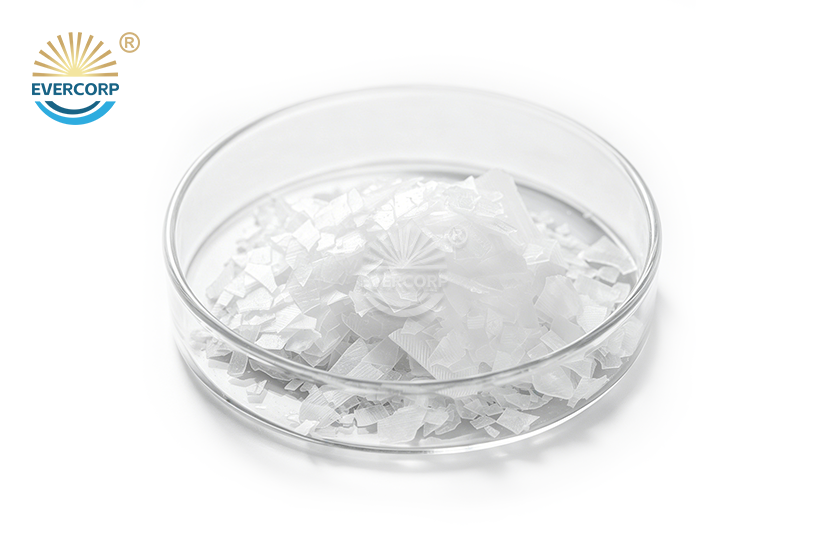
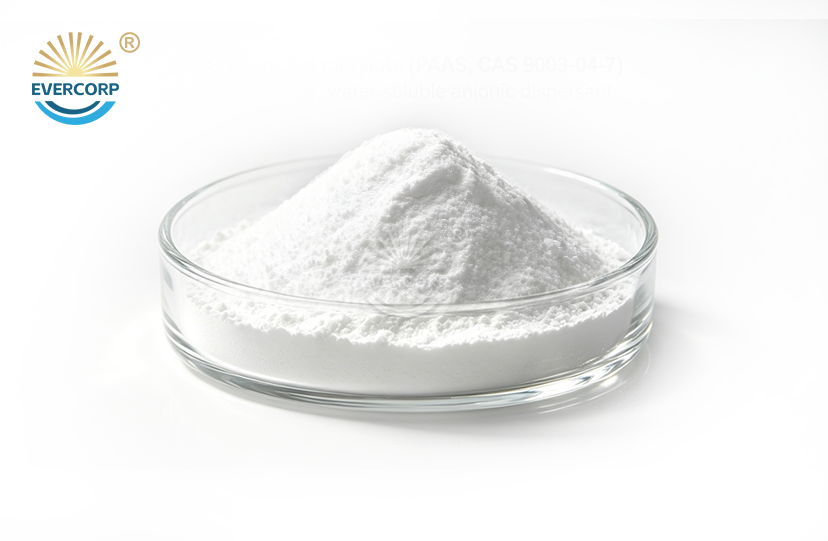
This product is a brown to dark brown powder synthesized through naphthalene sulfonation and formaldehyde condensation. It functions as a powerful anionic surfactant that adsorbs onto particle surfaces, creating strong negative electrostatic charges.
This mechanism overcomes van der Waals forces and prevents flocculation. You get long-term stability in complex aqueous systems where sedimentation control is critical.
The molecular structure maintains effectiveness across pH 3–11 and temperatures reaching 130°C. Unlike lignosulfonates, it contains zero reducing sugars, eliminating fermentation risks in storage tanks and cement set-time interference.
Technical Specifications
| Parameter | Value |
|---|---|
| Appearance | Brown to dark brown powder |
| Solid Content | ≥92% |
| Sodium Sulfate | ≤5% (low-salt) / ≤18% (standard) |
| Chloride Content | ≤0.3% |
| pH Value (20°C) | 7–9 |
| Dispersing Power | ≥95% (CaCO₃ method) |
| Thermal Stability | Up to 135°C |
| CAS Number | 36290-04-7 |
| Packaging | 25kg / 625kg / 650kg bags |
Note: Product specifications may be adjusted during product iteration and optimization. Please submit your inquiry to us for the latest data and official COA documents.
Key Performance Advantages
Superior Dispersing Power
Our formula delivers 2–3× stronger particle separation compared to lignosulfonate at equal dosage. You achieve better pigment distribution and lower viscosity in suspension systems.
Exceptional Thermal Stability
Maintains full dispersing capability at temperatures up to 135°C. This makes it ideal for high-temperature polyester dyeing and vat dye Applications where other dispersants degrade.
Wide pH Compatibility
Effective performance across pH 3–11 range. You can use it in acidic leather tanning baths, neutral rubber latex systems, and alkaline concrete admixtures without reformulation.
Low-Salt Option for Sensitive Applications
Our low-salt grade (Na₂SO₄ ≤5%) prevents salt crystallization in liquid admixtures and electrolyte-sensitive formulations. This ensures cold-weather stability and prevents pipeline blockage.
Zero Reducing Sugars
Unlike wood-based dispersants, this product contains no fermentation-prone sugars. You eliminate microbial growth risks in storage tanks and avoid unexpected cement set-time variations.
Primary Applications
Material Industry
High-temperature polyester coloring requires dispersants that won't break down over 120°C. This item guarantees uniform color molecule conveyance and dynamic color consistency in pressurized coloring machines.
Concrete Admixtures
As a first-generation superplasticizer, it diminishes water request by 15–25% whereas keeping up workability. Standard measurement of 0.5–1.0% progresses concrete thickness without influencing setting time.
Leather Processing
In chrome tanning and retanning showers, it upgrades color entrance and produces indeed color dispersion. The pH steadiness over acidic conditions makes it dependable for different tanning chemistries.
Agrochemical Formulations
Wettable powder (WP) and suspension concentrate (SC) pesticides require steady molecule suspension. Our dispersant avoids sedimentation and guarantees uniform dynamic fixing dispersion amid field application.
Rubber Latex Systems
It stabilizes latex suspensions and prevents coagulation during processing of Sodium Naphthalene Sulfonate. This improves mixing efficiency and final product consistency in rubber manufacturing.
Quality Control Process
Each generation bunch experiences comprehensive testing at our in-house research facility. We screen strong substance, sodium sulfate levels, and fineness (0.315mm strainer buildup) to guarantee fast dissolution.
Performance approval incorporates cement glue ease testing with distinctive C3A substance cements. We confirm water diminishment rates and droop maintenance some time recently shipment.
Low-sulfate clumps get extra cold-storage steadiness testing to affirm zero crystallization at sub-zero temperatures. This avoids field disappointments in winter development projects.
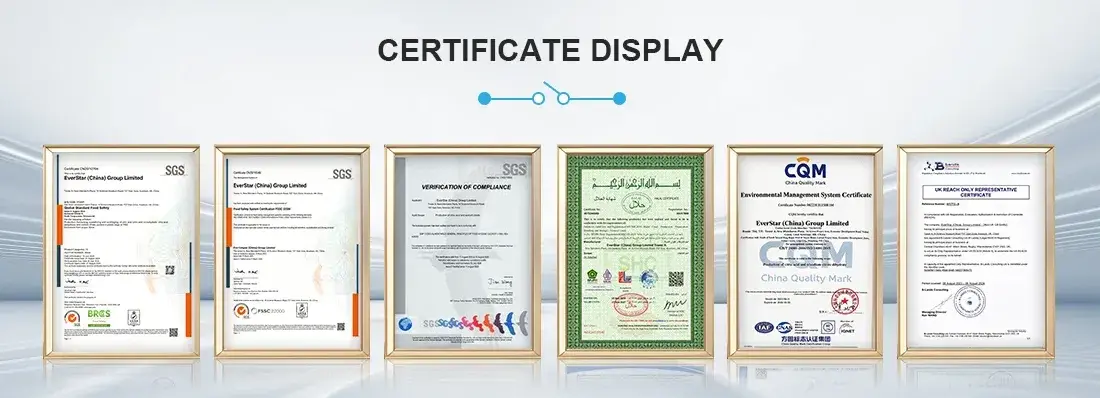
Our EU REACH enrollment and ISO certification ensure reliable quality that meets universal development and material industry standards.
Storage and Handling Recommendations
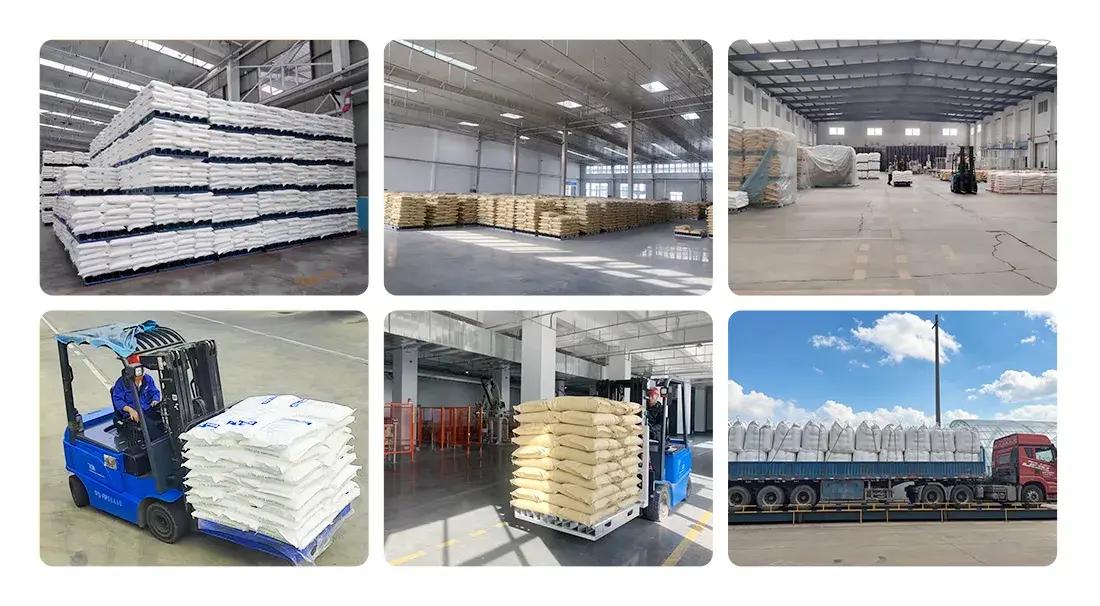
Store powder shape in dry, ventilated stockrooms absent from dampness. The hygroscopic nature requires fixed bundling to anticipate caking.
Keep holders firmly closed when not in utilize. Appropriately fixed sacks keep up item quality for 24 months beneath suggested capacity conditions.
For fluid admixture planning, break down powder in water at encompassing temperature with direct tumult. Dodge blending with cationic surfactants, which cause precipitation and misfortune of scattering function.
Clean all blending tanks completely some time recently exchanging between distinctive dispersant sorts. Leftover polycarboxylate superplasticizers can cause competitive adsorption clashes and fast smoothness loss.
Why Choose EverStar Group?
Direct Manufacturing plant Pricing
You dispense with broker costs with our vertically coordinates fabricating show. Our 13+ a long time of generation involvement interpret into competitive estimating without compromising quality.
Flexible Arrange Quantities
We suit trial clumps for item testing and full holder loads for expansive ventures. Our 5,000-ton stock guarantees quick accessibility for critical requirements.
Custom Definition Support
Our R&D research facility creates custom-made arrangements inside 24 hours. Whether you require particular sodium sulfate substance or altered warm solidness, we alter definitions to your correct specifications.
Global Coordinations Expertise
With shipping encounter to 50+ nations and 99.5% on-time conveyance, you get solid supply chain execution. We handle trade documentation and arrange universal cargo for hassle-free procurement.
Technical Bolster Team
Our chemical engineers give application direction and investigating help. You get measurement suggestions based on your particular framework necessities and compatibility testing support.
FAQ
Q: What is the affect of sodium sulfate content?
A: Low-sulfate forms ( <5%) prevent salt precipitation in liquid admixtures and ensure cold-weather stability. Standard grades (≤18%) work well in powder formulations where sulfate content is less critical.
Q: Why is it incompatible with polycarboxylate superplasticizers?
A: Mixing them causes competitive adsorption conflict leading to rapid fluidity loss and flocculation. Always clean tanks thoroughly before switching between dispersant types to avoid performance failures.
Q: Does it affect concrete setting time?
A: At standard dosages (0.5–1.0%), it has neutral effect on setting time. Over-dosage above 1.5% can cause minor retardation, so always follow recommended dosing guidelines for your cement type.
Q: Can it be used in steam-cured concrete?
A: Yes, it performs excellently in steam-cured environments. The thermal stability enhances hydration rate without compromising long-term durability, making it suitable for precast concrete production.
Q: How does temperature affect its performance?
A: It maintains full dispersing capability up to 135°C, ideal for high-temperature textile dyeing and industrial processes. Performance remains stable across typical construction site temperatures from -10°C to 40°C.
Q: What is the recommended dosage?
A: Typical dosage ranges from 2–5% based on dry powder weight for industrial dispersion. In concrete applications, use 0.5–1.0% by cement weight. Always conduct trials to optimize for your specific system.
Q: Can it be mixed with cationic surfactants?
A: No, as an anionic surfactant, it reacts with cationic agents to form insoluble complexes. This destroys dispersion properties and causes system failure. Use only with compatible anionic or nonionic additives.
Get Your Custom Solution Today
Contact Us at info@cneverstar.com to discuss your specific requirements for Sodium Naphthalene Sulfonate. We'll provide technical data sheets, compatibility testing support, and competitive quotations within 24 hours.