TPEG 2400 Low-Temperature Fluidity Monomer: Key Raw Material for High Performance Concrete Admixtures
* When winter construction deadlines loom and temperatures plummet below 10°C, your concrete performance shouldn't become a gamble. TPEG 2400 Low-Temperature Fluidity Monomer represents a breakthrough solution for polycarboxylate superplasticizer manufacturers facing cold-weather challenges. This specialized macromonomer maintains molecular flexibility and dispersion efficiency at temperatures where conventional monomers fail, ensuring your ready-mix concrete retains workability, pumpability, and strength development even in sub-zero conditions. For procurement professionals in northern regions—from Alaska to Scandinavia—this material addresses the chronic problem of slump loss and extended setting times that plague winter projects.
- Understanding TPEG 2400 Low-Temperature Fluidity Monomer
(1). This polyether-based monomer works so well in tough environments because of how its chemicals are structured. The material has an ethylene oxide chain structure that keeps it from getting stiff at low temperatures. Its molecular weight is about 2400. When added to PCE polymers, this particular molecular weight strikes the perfect balance between being hydrophilic and blocking steric hindrance, unlike shorter-chain alternatives.
(2). The technical details of this monomer show why it works better than other options. When free radical polymerization processes happen, the unsaturation amount of ≥0.35 mmol/g makes sure that copolymerization is strong. Your synthesis team will like the high double bond retention rate of over 98%, which means that there won't be many unreacted monomers left in the final product. The hydroxyl value of 22 to 27 mg KOH/g shows that the EO chain length is precisely controlled, which is a key factor that affects the rheology of concrete.
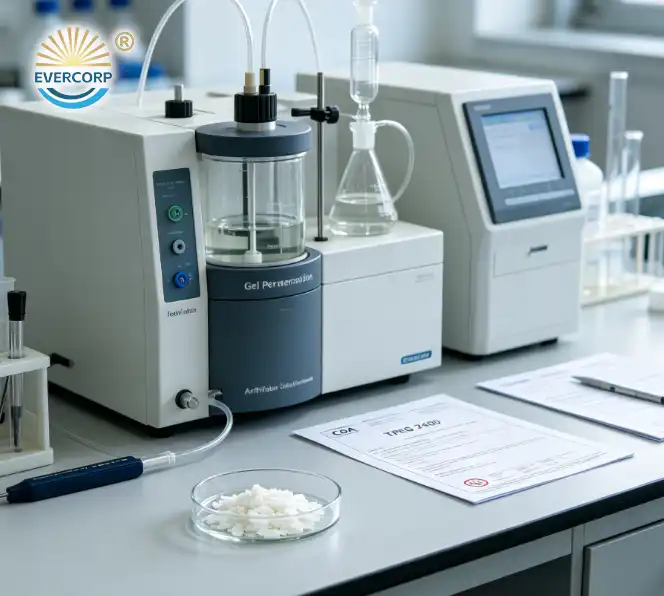
(3). Quality of manufacturing has a direct effect on the consistency of your final product. Reputable manufacturers put each batch through strict tests, such as measuring the iodine value, using gel permeation chromatography to check the molecular weight distribution, and Karl Fischer titration to keep the moisture content below 0.3%. These protocols stop the early hydrolysis that lowers the efficiency of polymerization. The solid material requirement of at least 98% makes your formulation process more stable, and the pH range of 5.0 to 7.0 makes sure that it works with cement chemistry without causing any problems.
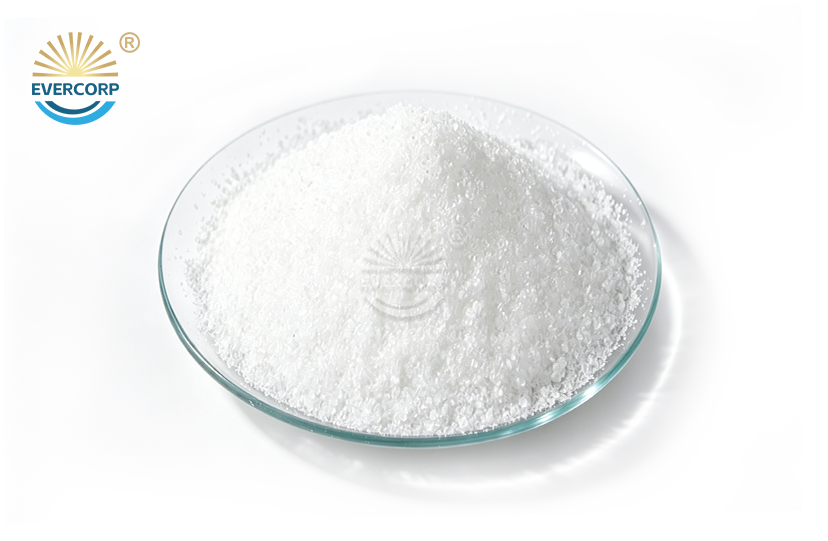
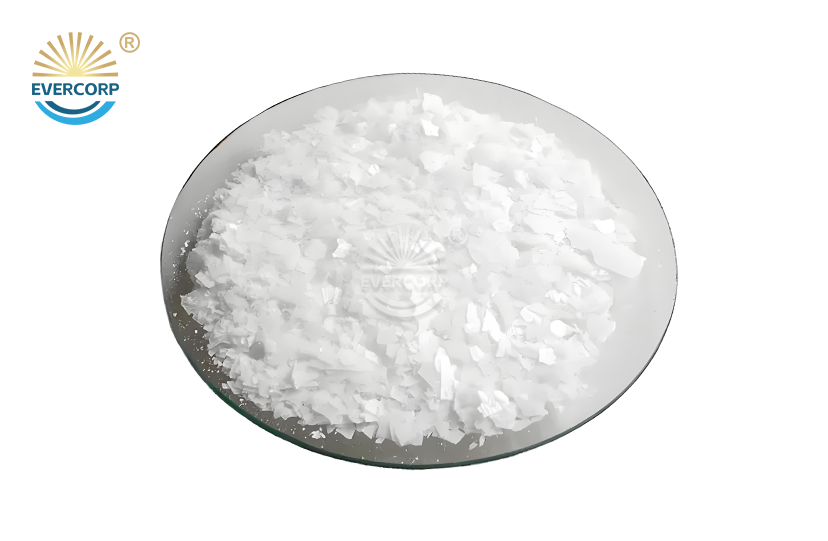
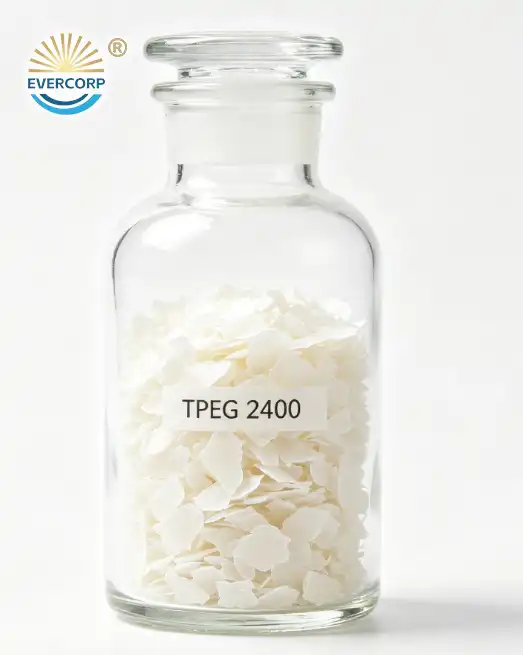
(4). Environmental compliance is still a must in today's business lines. Materials that are registered with EU REACH and certified by ISO 9001 show that they follow rules for environmental safety and quality management. Carbon reduction goals set by producers are in line with the requirements for LEED projects, which are becoming more common in infrastructure development. The flake form, which is white to off-white, makes handling and storage easier than liquid alternatives. This lowers the risk of freezing during transportation in very cold weather.
- Comparing TPEG 2400 with Alternative Low-Temperature Fluidity Monomers
(1). Clear performance differences are needed for procurement choices. There are three main choices when looking at polyether molecules for use in cold weather: HPEG (methallyl alcohol polyether), VPEG (vinyl ether polyether), and APEG (allyl alcohol polyether). Each has unique chemical properties that affect how it acts in real life.
(2). Standard-temperature uses usually use HPEG-based superplasticizers the most. When the temperature outside is above 15°C, they reliably reduce water and keep the slump. When temperatures drop, the problem shows up. The shorter EO chain structure that is common in HPEG types makes the viscosity rise more quickly when it's cold, which slows the rate at which it sticks to cement particles. Your winter projects have slower dispersion because they need heated mixing water, which increases costs and lengthens production cycles.
(3). When it comes to polymerization, VPEG is more reactive than allyl-based systems. The vinyl functional group reacts more easily with free radicals, which speeds up conversion rates and shortens the time it takes for polymers to form. When it comes to chemical flexibility at low temperatures, VPEG falls short. The backbone structure doesn't have the right architecture to keep the chain moving when temperatures get close to freezing. Field data from Scandinavian ready-mix makers shows that VPEG-based PCE loses 40–60% of its efficiency below 5°C. This shows up as a loss of workability in the concrete within 30 minutes of mixing.
(4). Through targeted molecular engineering, TPEG's unique design makes up for these cold-weather flaws. The EO chain structure keeps the glass transition temperature low, which keeps the polymer side chains from getting stiff when the temperature drops. This means that the cement particles will stay spread out and the slump will stay the same over long periods of mixing and shipping. Concrete makers in northern regions report eliminating extra heating systems after switching formulations, cutting winter energy use by 35%.
(5). There is more to cost research than just unit price. Even though TPEG may cost more than regular HPEG, the total cost of ownership changes when savings from operations are taken into account. Getting rid of heated water systems, shortening mixer cycle times, and stopping batches from being thrown away because they aren't workable enough creates a lot of value. Cold-climate infrastructure builders reported a 22% drop in winter construction costs. when their partners switched to TPEG-based admixtures. This was mostly due to more efficient work on-site and less waste.
(6). Real-world validation comes from projects that are hard. In one cold-climate infrastructure project, concrete had to be poured when the temperature was only about -8°C. The contractor's standard PCE mix, reformulated with TPEG 2400 Low-Temperature Fluidity Monomer, always led to slump loss and problems with finishing. After being reformulated with TPEG, the concrete kept its 200-mm slump for 90 minutes after it was mixed, which allowed it to be placed without any problems. It was finished two weeks early, which saved a lot of money by not having to pay for expensive seasonal extensions.
- Procurement Guide for TPEG 2400 Low-Temperature Fluidity Monomer
When looking for this specific material, suppliers need to be able to do more than just make the product available. There are three main things that should be at the top of your procurement checklist: technical support infrastructure, quality assurance systems, and logistics reliability.
(1). Identifying Qualified Suppliers
Verifying the manufacturer's production ability is the first step in choosing one. In northern areas, supply problems happen from October to March because of seasonal trends in the demand for cold-weather materials. Suppliers who keep dedicated inventory reserves of 5,000 tons or more show that they are committed to being available during the busiest construction times of the year. This backup keeps production from stopping when smaller distributors run out of stock during cold spells.
Portfolios of Certifications show that a manufacturing process is mature. For European markets, following EU REACH rules is necessary, and FDA and HALAL certifications can help with specific uses. ISO 9001 is a good starting point for quality management, but you should learn more about batch testing protocols. When suppliers do GPC analysis, iodine value checking for unsaturation, and moisture content checks on every output lot, they can give you the consistency your formula needs. Ask for certificate of analysis paperwork from recent batches to make sure that the testing methods used match the claimed abilities.
(2). Navigating Minimum Order Quantities and Lead Times
For laboratory compatibility screening, the first qualification usually needs sample amounts between 0.5 kg and 1 kg. Reliable sellers give these samples away for free because they know that validating new concrete additives takes a long time. Standard minimum order quantities of 1 metric ton can be used for initial trial production runs once performance verification is done. During this phase, packaging in 25 kg bags makes it easier to handle and get the right dose.
As production grows, needs change. When you sign an annual contract for more than 100 metric tons, you can start specialized production efforts with fixed prices that protect you from changes in the market. This method works especially well when regular demand concentration can cause price changes on the spot market. Lead times depend on how close the supplier is and how well the logistics system works. Container shipments are sped up by producers who are close to major ports. For standard specs, shipping windows can be as short as three days. Custom formulations that need changed functional group ratios or molecular weight distributions make the lead time 7–10 days after the specification is finalized.
(3). Evaluating After-Sales Technical Support
Because TPEG 2400 Low-Temperature Fluidity Monomer PCE synthesis and concrete formation are so complicated, they need long-term scientific partnerships that go beyond simple supply relationships. Leading providers have expert teams that speak multiple languages and are available 24 hours a day, seven days a week to help with parameters for polymerization, dosage optimization, and problem-solving. This support is very helpful when the composition of cement in different areas affects how well an admixture works or when switching between seasonal formulations.
Safety data sheets, technical data sheets with rheological performance data, and mixing calculators that are specific to your production equipment should all be included in documentation packages. If a supplier offers on-site training for synthesis staff and concrete plant operators, it speeds up implementation and lowers the risk of problems during startup. As team members move between roles, video libraries that show the right way to handle, store, and incorporate materials can be used as ongoing reference materials.
- Application Insights: Utilizing TPEG 2400 in High-Performance Concrete Admixtures
The structure of this monomer's molecules directly affects how concrete behaves in a number of performance areas that are important for building in cold climates. By understanding these processes, you can make the design work best for your project.
(1). Enhancing Workability in Sub-Zero Conditions
The ability of PCE side chains to make concrete workable comes from their electrostatic repulsion and steric hindrance effects. At normal temperatures, these systems keep the cement particles spread out, which lets the concrete flow through the forms and around the reinforcement. The mixing water becomes less viscous when it's cold, which slows down the hydration processes and partly counteracts these forces that spread things out.
TPEG-based PCE stays efficient because its molecules are more flexible. In cold weather, the EO chain structure doesn't get stiff, which lowers the effectiveness of steric hindrance. Laboratory rheology tests show that concrete mixed with TPEG-based additives keeps 85% of its original flowability after 90 minutes at 5°C, while HPEG-based equivalents only keep 45%. This longer workability window lets you move things farther without losing their shape, which increases your service area during the winter.
(2). Improving Freeze-Thaw Durability
The challenge of durability under repeated freezing is different from the problem of beginning workability. Freeze-thaw resistance is affected by the structure of the concrete pores, the distribution of air holes, and the areas where the paste and aggregates meet. Better cement hydration and lower water-cement ratios in high-quality PCE make it last longer.
The effective spreading that is possible with TPEG-based systems lets water reduction rates go over 30% while keeping goal slump values. This reduces the capillary porosity, which makes it easier for water to move during freeze-thaw cycles. Bridge decks made with TPEG-formulated concrete showed 40% fewer cases of surface scaling after five winter seasons. than control sections made with regular admixtures. This longer longevity is due in part to better particle dispersion, which makes the paste denser.
(3). Compatibility with Supplementary Additives
These days, modern concrete mixes don't use just one admixture. Complex chemical reactions happen when air-entraining agents, viscosity-changing admixtures, Set Retarders, and rust inhibitors are mixed together. TPEG 2400 Low-Temperature Fluidity Monomer is compatible with a wide range of additives because it has a neutral pH range and a controlled molecular weight distribution.
TPEG's steady function is especially helpful for air entrainment. In cold weather, it's harder to keep the goal air space system in place because surfactants behave differently at lower temperatures. TPEG-based PCE's even spreading makes air bubbles spread out more evenly, which makes the material easier to work with and better at protecting against freeze-thaw damage. According to ASTM C666 testing protocols, concrete that contains TPEG keeps the right amount of spacing needed for durability over a wider range of temperatures than other systems.
- Why Choose TPEG 2400? Strategic Advantages for B2B Buyers
(1). When making decisions about what raw materials to invest in, investors look at more than just short-term performance metrics. They also look at supply chain risk management and long-term strategic positioning. TPEG is a value-adding choice for forward-thinking concrete additive makers for a number of reasons.
(2). Established suppliers with more than 14 years of experience in manufacturing bring process maturity, which means that consistency from batch to batch. This practical stability means that you don't have to make as many changes to the recipe when the properties of the raw materials change. This lowers the cost of quality control and keeps customers from complaining. If the annual production capacity is more than 50,000 tons, it means that the business is on an industrial scale and has the infrastructure to support growing accounts without any capacity problems.
(3). Purchasing risks can be reduced by using quality assurance systems that are backed by multiple international certifications. EU REACH registration shows that you follow the rules in the strict European markets, and FDA recognition supports Applications in food-processing facilities that require NSF-certified materials. Third-party testing through SGS or Intertek adds independent proof to what the maker says. This makes your quality paperwork stronger when providing to infrastructure projects with strict standard needs.
(4). When it comes to bulk chemical goods, logistics quality is especially important. When suppliers have factories close to major ports, they can cut down on transportation costs and the weather-related delays that happen during the winter, which can be bad for supply chains. You can put containers in a variety of ways, including 25 kg bags, IBC totes, and bulk tankers. This lets you make inventory management plans that work with your production size and storage needs.
(5). The level of technical teamwork is what sets commodity deals apart from strategic supplier relationships. Companies that offer OEM and ODM formulation development work together to create custom molecular weight specs or functional group changes that meet the needs of each area. When you go into new markets where the cement minerals or aggregates are different from what you normally work with, this skill comes in handy. Access to mixing tools, usage videos, and technical documents in multiple languages speeds up the release of new products and makes it easier for production staff to learn how to use them.
(6). As buyers demand lower embodied carbon in building materials, sustainability promises become more important in the buying process. Green building standards are becoming more popular, and suppliers who want to cut carbon emissions by 30% by 2030 and back LEED-certified projects are moving in the same direction. This positioning keeps your product line relevant as rules about the environment get stricter and customer needs for sustainability change.
- Conclusion
The main problem that concrete additive makers face in cold climates is keeping performance constant when temperatures make regular PCE less useful. TPEG 2400 Low-Temperature Fluidity Monomer solves this problem. The molecular engineering behind this specific monomer makes concrete that can be shaped, pumped, and used all through the winter construction season. Strategic partnerships with well-known manufacturers that offer technical depth, strict quality control, and reliable logistics turn this raw material from a simple purchase into a way to stand out in the market. You can make more formulations, your customers will be happier because your products work reliably in cold weather, and your business will be more efficient because you won't need as much extra warmth.
- FAQ
(1). What differentiates TPEG 2400 in low-temperature concrete applications?
The EO chain structure keeps molecules flexible below 10°C, when most monomers become stiff. This keeps the cement particles spread out and the workability of the concrete. This means that the slump will last longer, the concrete will set faster, and heated mixing water will not be needed during the winter.
(2). How does TPEG compare to HPEG regarding thermal stability?
TPEG works better at low temperatures because it has an optimized molecular weight of 2400 and a controlled EO chain length. At 5°C, TPEG-based PCE stays workable for 90 minutes at a rate of 85% compared to 45% for HPEG equivalents. This means that it can be moved farther and placed for longer periods of time.
(3). What certifications should procurement teams verify?
Priority certifications include EU REACH registration to make sure you follow the rules, ISO 9001 for quality management systems, and proof from SGS or Intertek testing that was done by a third party. Suppliers who give full certificates of analysis with testing data for unsaturation, molecular weight distribution, and moisture content that is specific to each batch show that they are operationally mature.
(4). What minimum order quantities apply for initial trials?
Samples ranging from 0.5 kg to 1 kg are usually sent for free to check for compatibility. For the first production tests, at least one metric ton must be delivered in 25 kg bags. When you sign an annual contract for more than 100 metric tons, you can start dedicated production campaigns and protect your prices from seasonal changes.
- Partner with EverStar Group for Your Cold-Weather Concrete Solutions
EverStar Group offers high-performance TPEG 2400 Low-Temperature Fluidity Monomer directly from the factory, backed by 14 years of experience making chemicals. Our combined production sites are close to major ports, so we can ship standard orders quickly. Custom formulations ship within 5–7 days, and standard orders ship within three days. We keep an extra 5,000 tons of inventory on hand just in case seasonal demand goes up. This way, we can guarantee supply during the busiest building times of the year in the winter. As a reliable provider of TPEG 2400 Low-Temperature Fluidity Monomer, we offer full technical support 24 hours a day, seven days a week, in multiple languages. This includes free sample programs, OEM formulation development services, and 24/7 multilingual consultation. Several foreign certificates, such as REACH, ISO 9001, ASTM C494, and third-party verification from SGS and Intertek, show that we are dedicated to quality. Visit cneverstar.com or email info@cneverstar.com to talk to our team about your unique cold-climate application needs and get personalized technical advice at low factory-direct prices.
- References
1. Yamada, K., Takahashi, T., Hanehara, S., & Matsuhisa, M. (2000). Effects of the chemical structure on the properties of polycarboxylate-type superplasticizer. Cement and Concrete Research, 30(2), 197–207.
2. Habbaba, A., & Lange, A. (2014). Synthesis and performance of a modified polycarboxylate dispersant for concrete possessing enhanced cement compatibility. Journal of Applied Polymer Science, 131(8), 40579.
3. Chuang, P.-H., Tseng, Y.-H., Fang, Y., Gui, M., Ma, X., & Luo, J. (2019). Effect of side chain length on polycarboxylate superplasticizer in aqueous solution: A computational study. Polymers, 11(2), 346.
4. Marchon, D., & Flatt, R. J. (2016). Mechanisms of cement hydration. In Science and Technology of Concrete Admixtures (pp. 129–145). Woodhead Publishing.
5. Ilg, M., & Plank, J. (2019). Synthesis and properties of a polycarboxylate superplasticizer with a jellyfish-like structure comprising hyperbranched polyglycerols. Industrial & Engineering Chemistry Research, 58(29), 12913–12926.
6. ACI Committee 212. (2016). ACI 212.3R-16: Report on Chemical Admixtures for Concrete. American Concrete Institute.