What is a Polycarboxylate Ether Monomer used for?
Polycarboxylate Ether Monomer serves as the foundational raw material for synthesizing high-performance polycarboxylate superplasticizers (PCE) used primarily in concrete admixtures. This unsaturated polyether—including variants like HPEG, TPEG, and EPEG—enables concrete manufacturers to achieve superior water reduction (25-35%), extended slump retention (1-2 hours), and enhanced workability. When polymerized with acrylic acid, the resulting PCE superplasticizer disperses cement particles effectively, reducing viscosity and allowing concrete to flow smoothly through dense reinforcement and reach extreme pumping heights without compromising structural integrity.
Understanding the Chemistry Behind PCE Monomers
The unique structure of these monomers is what makes them work technically. A Polycarboxylate Ether Monomer has a comb-like structure at its center, with hydrophilic polyoxyethylene (PEO) side chains stretching from a reactive backbone that has double bonds. This design produces a two-way mechanism: the backbone's carboxyl groups attach to cement particles through electrostatic binding, and the long PEO side chains create steric hindrance, which keeps particles physically apart and stops flocculation. Molecular weight, which is usually between 2400 and 4000 g/mol, has a direct effect on the balance between how well water is removed and how long the slump lasts.
Key Chemical Parameters That Define Performance
When manufacturers buy things, they should pay attention to three important features. Unsaturation degree, which is given in mmol/g, shows how many reacting double bonds are available for polymerization. Higher numbers mean better conversion rates and better ability to remove water. The hydroxyl value (22–28 mg KOH/g) shows that the polyether chain is pure and full, and the solid content above 98% makes sure that there isn't too much moisture that could cause caking during storage or mess up the processes that happen during synthesis. Gel permeation chromatography (GPC), iodine value titration, and Karl Fischer analysis are used to test these factors thoroughly and make sure that they are consistent from batch to batch, which is what production lines need.


How Molecular Structure Drives Concrete Performance
When the monomer is turned into PCE superplasticizers, its side-chain length and density can be changed to change how the concrete behaves. Longer side chains (3000–4000 MW) provide better steric resistance, which is very helpful for keeping the workability during long-distance shipping in hot regions or long mixing cycles. Shorter chains (2000–2400 MW) focus on quick dispersion and early strength development, which makes them perfect for precast operations that need to turn over forms quickly to make money. Because these properties can be fine-tuned, manufacturers can match them to specific types of cement, aggregates, and jobsite conditions. This is something that traditional naphthalene-based admixtures can't do.
Primary Industrial Applications Driving Global Demand
Most Polycarboxylate Ether Monomer are used in the Construction Chemicals industry. This is because infrastructure growth and urbanization are driving these trends. When concrete has to be pumped up to 300 meters in height through small pipes, it's a very difficult job for high-rise building projects. When standard monomers are turned into PCE admixtures, they greatly lower the density of the plastic. This lets it flow smoothly under high pressure, without clogging or segregating pipes. In cities like New York, Singapore, and Mumbai, where building skyscrapers depends on reliable pumping technology to stay on schedule, this ability has become essential.
Precast Concrete Manufacturing Benefits
There are a lot of time and quality stresses on precast companies. Because the monomer helps the material gain strength quickly, manufacturers can strip forms in 12 to 16 hours instead of the usual 24 hours. The controlled decrease of water is what speeds things up—less mixing water means faster hydration kinetics and earlier load-bearing ability. At the same time, the admixture stays flexible enough to fill the mold completely, even when the geometry is complicated and there are a lot of rebar arrays. Plants say they can increase throughput by 30–40% without lowering the quality of the finish or the accuracy of the measurements. This has a direct effect on their bottom line in competitive regional markets.
Self-Compacting Concrete and Specialized Uses
Self-compacting concrete (SCC) mixtures need to be able to flow very well while also being resistant to segregation. Polycarboxylate ethers do a great job of meeting this seemingly contradictory need. The synthesized PCE makes it possible for concrete to flow into complex shapes just by gravity. This means that there is no need for mechanical vibration, which can damage utilities that are embedded or sections with thin walls. SCC is being used more and more in infrastructure projects like tunnels, bridges, and marine structures because it can completely consolidate around complex reinforcement patterns. In addition to construction, the monomer's dispersing properties are being used in new coatings and adhesives products, though these are still small market segments compared to concrete admixtures.
Comparing Performance Against Alternative Chemistries
Before Polycarboxylate Ether Monomer technology came along, the market was controlled by traditional naphthalene formaldehyde superplasticizers. Naphthalene-based goods are cheaper per ton, but they need higher dosage rates (0.8–1.2% of the cement weight vs. 0.2–0.5% for PCE) and only reduce water by 15-20%. The slump retention window doesn't last longer than 45 minutes, so ready-mix manufacturers have to add retarders, which makes quality control harder. Polycarboxylate ethers get rid of these problems by providing better initial dispersion and longer-lasting workability. This means that trucks can get to faraway job sites without having to worry about slump loss. The total cost per cubic meter of concrete often favors PCE, even though it costs more for the raw materials. This is especially true in cities where travel times are longer than an hour.
Evaluating Purity Grades and Quality Standards
From 95% to 99% solid content, different suppliers offer different purity grades that purchasing managers have to deal with. The 3-4% change has a big effect on activities further down the line. When the purity is lower, water and polyether oligomers are introduced, which slow down the polymerization process and make the end PCE performance vary from batch to batch. Manufacturing companies can tell this by the fact that buyers of ready-mix concrete often complain and the slump results aren't always the same. Setting quality standards for unsaturation levels above 0.35 mmol/g and hydroxyl levels between 22 and 28 mg KOH/g lowers the chance of buying the wrong thing. Certifications like REACH, ISO 9001, and ASTM compliance give you even more peace of mind, but lab checking of sample runs is still the best way to be sure before signing large-volume contracts.
Strategic Procurement Considerations for Manufacturers
Finding polyether monomers means figuring out how to get around regional production hubs and transportation networks. China has most of the world's supply and has lower costs because its petrochemical infrastructure is linked. However, the quality of products from smaller makers needs to be carefully checked out. European and North American suppliers usually charge more, but their standards are always the same and follow strict environmental rules. The choice between direct factory sourcing and working with a distributor depends on how much you need to buy. Producers who need 200 to 600 tons of goods a year can usually save 20 to 40 percent by going direct to the factory instead of going through a middleman, as long as they can meet the minimum order quantities, which start at 5 tons.

Managing Lead Times and Inventory Strategy
Standard-grade monomers can be shipped within three to five days if the manufacturer keeps an inventory on hand. For customized molecular weights or functionalized variants, lead times are longer, taking seven to ten days for synthesis and quality testing. Plants that use lean inventory models have to weigh the costs of keeping inventory against the risks of supply chain disruptions. One important thing to look at when evaluating a seller is how much inventory they have on-site. For example, makers who keep 500 tons or more in stock can protect themselves against production spikes or shipping delays. It doesn't matter how close a factory is to a port; being close to a major shipping hub lowers freight costs and the chance of damage during transit, especially when working with flake materials that break down when exposed to moisture during long inland transport.
Documentation and Compliance Requirements
For international trade in Polycarboxylate Ether Monomer specialty chemicals, you need to keep a lot of paperwork. Before starting trials, procurement teams should ask for Certificates of Analysis (COA), Technical Data Sheets (TDS), and Safety Data Sheets (SDS). For markets in the US and Europe, REACH registration numbers and FDA compliance letters make it easy to get goods through customs. Halal and Kosher approvals are becoming more common for producers of chemicals to the Middle East and other specialized markets, but they are not as common for Industrial Chemicals. Third-party testing reports from SGS or Intertek provide independent confirmation of claimed specifications. This gives supplier qualification audits more weight. These papers are also very helpful for figuring out problems with field performance because they set the standard for quality for forensic research.
Why Does EverStar Group Stand Out in the PCE Monomer Market?
The manufacturing skills of EverStar Group combine size with technical accuracy. Our three strategically placed production facilities, in the Southern, Eastern, and Northern regions, make more than 50,000 tons of product every year. This makes sure that we always have enough, even during busy construction seasons. With an unsaturation level above 0.35 mmol/g and a molecular weight control of about 2400 g/mol, the polymerization kinetics are reliable, which is what PCE makers need for stable batch production. Keeping more than 5,000 tons of inventory on-site keeps competitors who use just-in-time manufacturing models from having to deal with supply problems.
Quality assurance is more than just meeting basic requirements. Every production batch goes through strict GPC analysis to make sure the molecular weight distribution is correct, iodine titration to make sure the double bonds stay in place, and Karl Fischer testing to make sure the moisture content is less than 0.2%. This three-check method, along with REACH, ISO 9001, and ASTM C494 approvals, has earned the trust of large admixture manufacturers. The company's 99.5% on-time delivery record to more than 50 countries shows managerial excellence that smaller suppliers find hard to match. This is especially true when working with cost-conscious makers that can't afford production line downtime caused by late shipments.
The way we handle technical support makes the customer experience stand out. The in-house research and development lab offers custom formulation services 24 hours a day, 7 days a week. They help clients find the best side-chain lengths and functions for different types of cement or climate problems in their area. Support teams that speak English, Spanish, and Mandarin can help you in all three languages, so you can talk to them without any problems. This makes foreign hiring easier. Before committing to bulk orders, potential partners can test the product fully with their own equipment and local aggregates thanks to free sample programs. This method shortens the three- to six week decision cycle that most mid-sized PCE manufacturers have, turning inquiries into confirmed orders faster than competitors who sell generic products without application support.
Being responsible for the environment fits with market trends toward green building. EverStar Group wants to cut its carbon footprint by 30% by 2030, and it will help clients with LEED-certified projects and green building requirements. The EcoVadis Silver grade and Responsible Care® certification show that we are committed to using ethical production methods, which are becoming more and more important in developed markets when it comes to buying things. For companies that work with contractors who care about the environment or with government projects that need to be sustainable, working with a supplier that can show measurable ESG progress lowers regulatory risks and boosts the company's reputation.
Conclusion
Modern high-performance concrete technology relies on the Polycarboxylate Ether Monomer as a fundamental component. Because of the way its molecules are structured, it can reduce water, keep its shape, and make the concrete easier to work with in ways that other additive chemicals can't. Understanding important quality factors like unsaturation, hydroxyl value, and purity is important for successful procurement. Suppliers should also be judged on their store capacity, technical support, and compliance documents. Depending on the size of your production and how comfortable you are with risk, you can choose between buying strategies that focus on cost and those that focus on reliability. However, for mid-sized producers, factory-direct relationships always offer the best value. As the world's need for infrastructure grows, getting reliable monomer supplies from well-known companies is becoming more and more important for staying ahead in regional concrete markets.
FAQ
What differentiates TPEG from EPEG monomers in practical applications?
EPEG (Ethylene Glycol Monovinyl Polyethylene Glycol) has vinyl ether bonds that react at room temperature without any extra heat. This makes PCE production cheaper because it uses less energy. TPEG (Isopentenyl Alkenyl Polyethylene Glycol) needs high temperatures to work, but its side chains are a little longer, which helps it keep its shape in hot places. Manufacturers who want to save energy usually choose EPEG, while manufacturers who want to keep the workability of their products for a long time in tropical climates usually choose TPEG.
How should manufacturers store these monomers to prevent quality degradation?
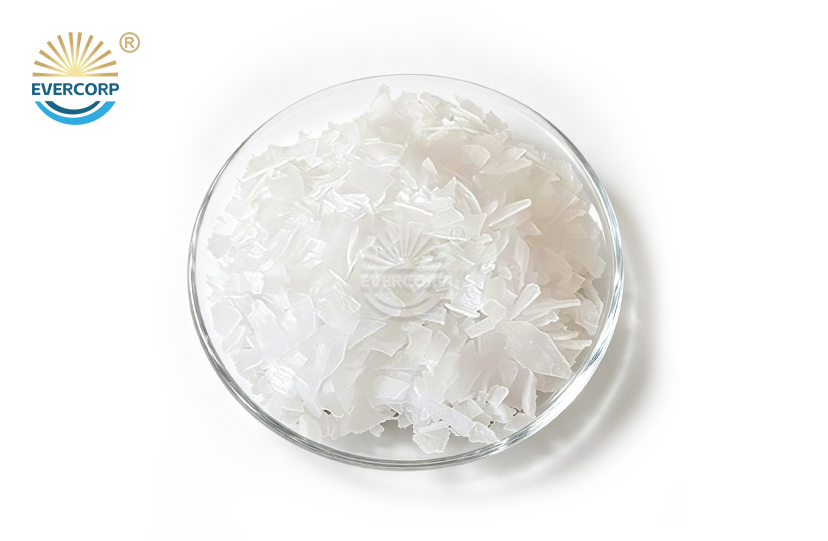
Keep off-white to white flakes in sealed, moisture-proof containers in climate-controlled warehouses that stay between 15°C and 25°C. Stay out of strong sunlight, which can start polymerization that you don't want. If you store it for longer than three months, add stabilizers. Moisture contamination above 0.5% leads to caking and makes polymerization less effective, so controlling humidity is very important.
Can these monomers be used directly in concrete without processing?
Not at all. Polycarboxylate Ether Monomers need to be polymerized in water with acrylic acid and useful co-monomers in order to make active PCE superplasticizers. Adding something directly to concrete doesn't improve its performance. The synthesized polymer product is the only one that works well as an admixture.
Partner with a Trusted Polycarboxylate Ether Monomer Supplier
EverStar Group has been making things for 14 years and offers factory-direct prices that are 20–40% cheaper than those found through dealer outlets. With a minimum order quantity of only 5 tons, we can work with mid-sized PCE manufacturers who don't want to keep too much inventory on hand. We meet the strictest international quality standards because we are certified to REACH, FDA, ISO, and ASTM standards. Our expert team speaks many languages and can help you with free samples and formulations to speed up the process of making new products. You can email us at info@cneverstar.com to ask for product specifications, COA paperwork, or trial samples. You can look at our full selection of building chemical raw materials at cneverstar.com and learn how our dependable supply chain can help you stay ahead of the competition.
References
1. Ramachandran, V. S. (Ed.). (1995). Concrete Admixtures Handbook: Properties, Science, and Technology (2nd ed.). Noyes Publications.
2. Plank, J., & Hirsch, C. (2007). Impact of zeta potential of early cement hydration phases on superplasticizer adsorption. Cement and Concrete Research, 37(4), 537–542.
3. Uchikawa, H., Hanehara, S., & Sawaki, D. (1997). The role of steric repulsive force in the dispersion of cement particles in fresh paste prepared with organic admixture. Cement and Concrete Research, 27(1), 37–50.
4. Yoshioka, K., Tazawa, E., Kawai, K., & Enohata, T. (2002). Adsorption characteristics of superplasticizers on cement component minerals. Cement and Concrete Research, 32(10), 1507–1513.
5. ASTM International. (2019). ASTM C494/C494M-19: Standard Specification for Chemical Admixtures for Concrete. ASTM International.
6. Flatt, R. J., & Houst, Y. F. (2001). A simplified view on chemical effects perturbing the action of superplasticizers. Cement and Concrete Research, 31(8), 1169–1176.