VPEG 2400 PCE Monomer for Concrete: What It Is and How It Works?
* If you're producing polycarboxylate superplasticizers for high-sulfate cement environments, you've likely encountered slump loss, dispersion failure, and formulation instability. VPEG 2400 Pce Monomer For Concrete addresses these challenges directly. This vinyl-terminated polyoxyethylene ether features a molecular weight of approximately 2400 g/mol, double bond retention above 96%, and proven sulfate resistance exceeding 90% even when cement SO₃ content surpasses 3.5%. Unlike conventional HPEG monomers, VPEG 2400 maintains consistent polymerization efficiency at lower reaction temperatures (35–45°C), reducing energy costs while delivering superior admixture performance in coastal regions and infrastructure projects.
- What Is VPEG 2400 PCE Monomer?
(1). Molecular Architecture and Physical Properties
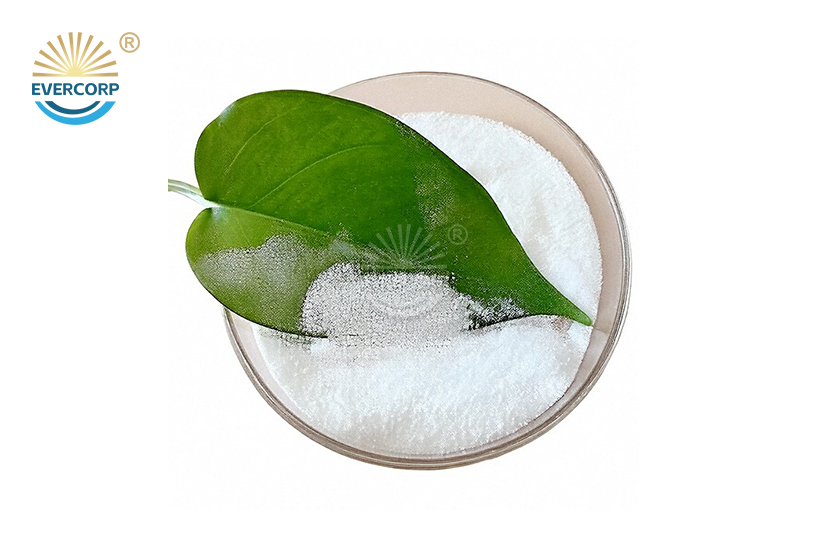
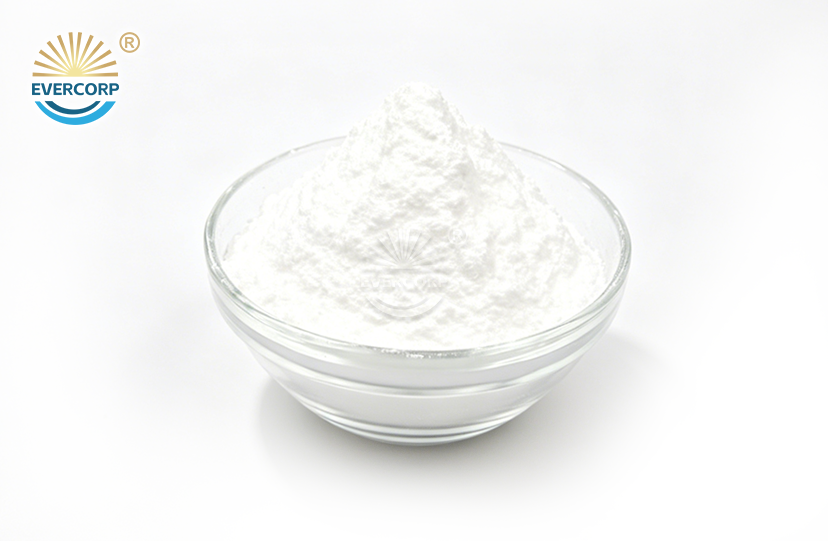
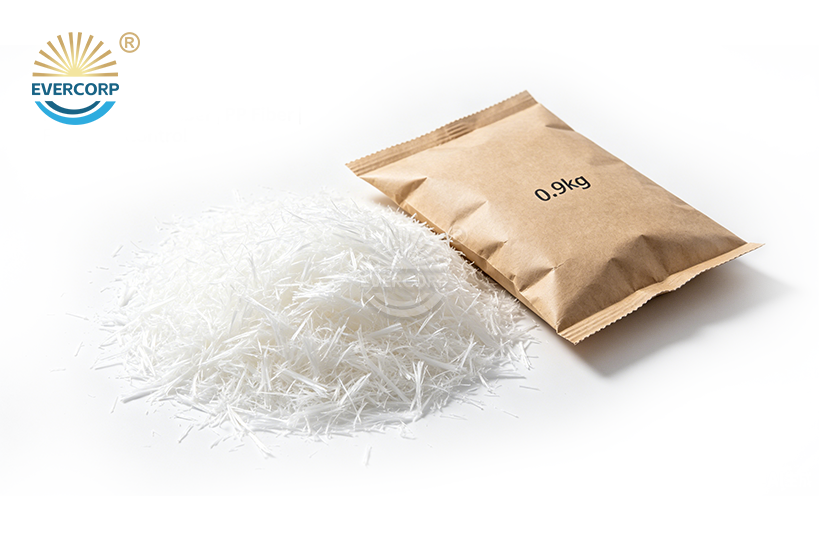
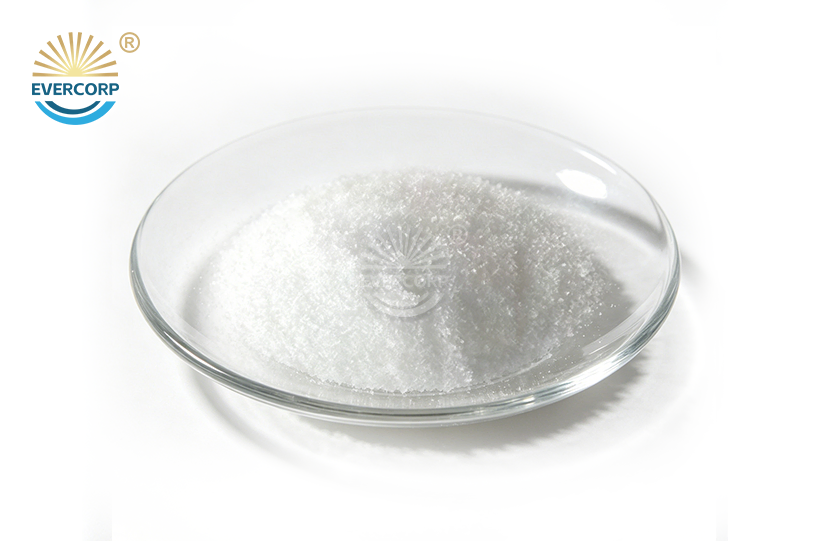
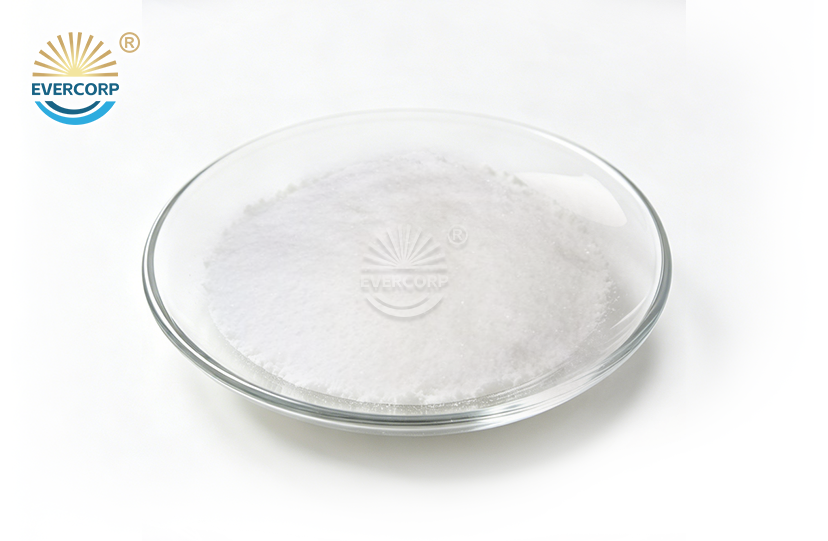
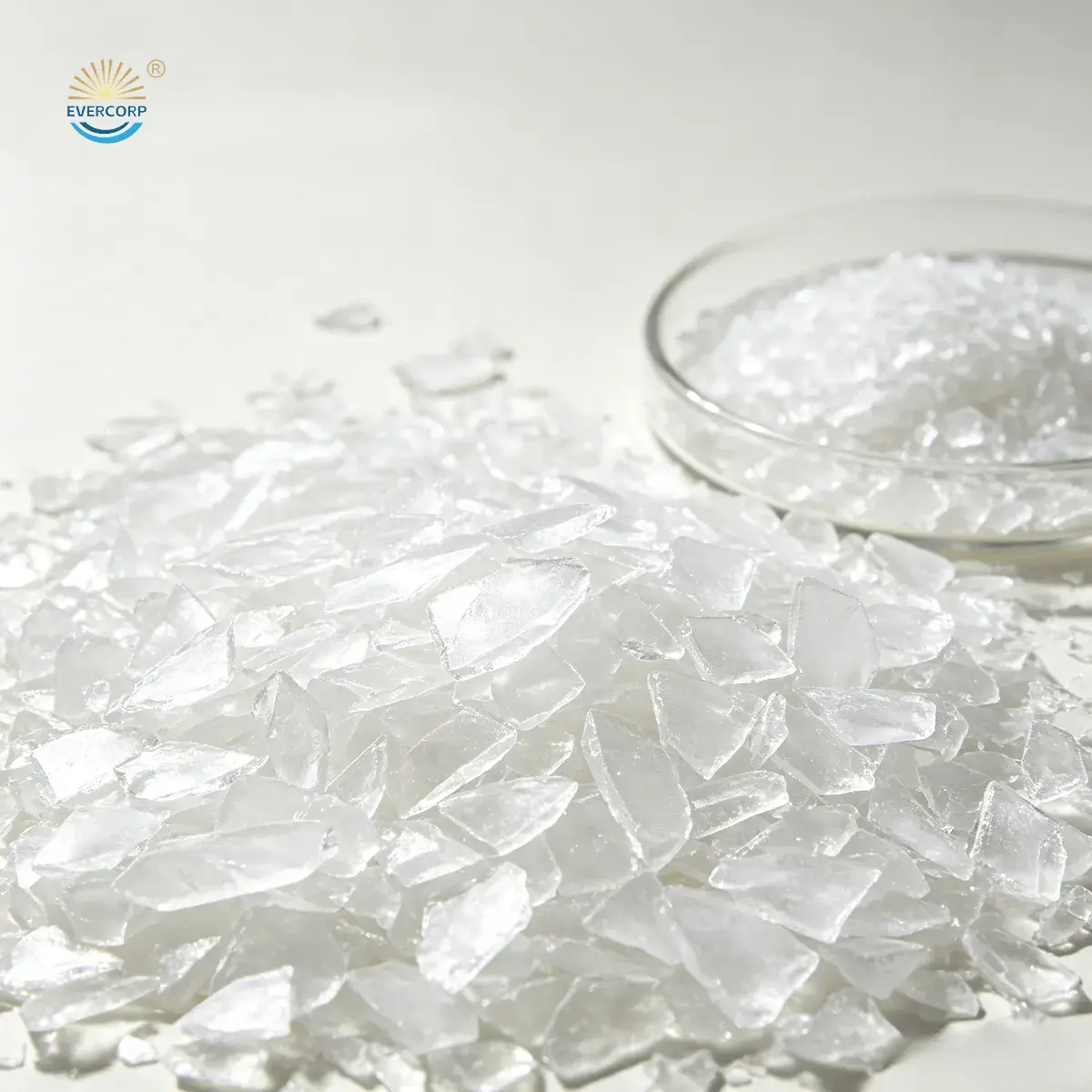
VPEG 2400 is a special vinyl polyoxyethylene ether that was made just for making polycarboxylate ether superplasticizers. The monomer comes in the form of off-white to white flakes that are more than 98% solid. This makes them easier to store and work with than liquid alternatives. Its chemical structure is made up of a reactive vinyl group and a hydrophilic polyethylene glycol backbone that is about 2400 g/mol long. This gives it the best steric hindrance for stopping cement particles from spreading.
The hydroxyl value is between 22 and 28 mg KOH/g, which means that the ethoxylation process is managed and the polymerization reaction and water solubility are both balanced. This monomer has an iodine value above 8.5 g I₂/100g and an unsaturation value above 0.35 mmol/g. This makes sure that there are high conversion rates during radical polymerization and few unreacted residuals that could slow down the setting time of concrete.
(2). Safety and Environmental Compliance
Standard chemical safety rules must be followed when working with this polyether monomer. A 5% water solution has a pH between 5.0 and 7.0, which makes it less likely that stainless steel polymerization reactors will rust. VPEG 2400 is not made from formaldehyde, so it is a green chemical option that meets the requirements for REACH, KOSHER, and Halal Certifications, which make foreign trade easier.
When it comes to the environment, PCE made from this monomer is better at breaking down than plasticizers made from naphthalene. Low-VOC profiles help construction projects that want to get LEED approval. This supports companies' ESG goals and meets strict rules in North America, Europe, and the Middle East.
(3). Storage and Shelf Life
With the right storage, a product can last longer than 12 months. Flakes should be kept in sealed containers below 35°C in a dry, well-ventilated place out of direct sunlight. Taking in moisture can cause premature hydrolysis, which lowers the number of double bonds that are available. Our three regional facilities can hold up to 5,000 tons of inventory, so we can always have what you need, even during busy construction seasons or longer shipping times to coastal markets.
- How Does VPEG 2400 PCE Monomer Improve Concrete Performance?
(1). Cement Particle Dispersion Mechanism
The PCE that is made when you polymerize Vpeg 2400 Pce Monomer For Concrete with acrylic acid and other comonomers has a molecular structure that looks like a comb. The polyacrylate backbone sticks to the surfaces of the cement particles through carboxyl groups, and the long polyether side chains go into the water phase. This arrangement of space creates electrostatic repulsion and steric hindrance, which stop particles from sticking together during hydration.
Using high-sulfate Portland cements (SO₃ = 4.2%) in tests shows that VPEG-based PCE keeps its shape 40% longer than HPEG alternatives. Sulfate ions usually mess up the performance of admixtures by making ettringite crystals. But the molecular structure of the monomer makes it more resistant to this influence by making it more stable when it adsorps.
(2). Durability and Shrinkage Control
When this monomer is used to make PCE, it lowers the water-cement ratio in concrete mixes without making them harder to work with. At 0.15–0.3% by weight of cement (solid content basis), it leads to a 35–40% drop in water, which means that at 28 days, the compressive strength has gone up by 15–20 MPa. Less porosity makes it stronger against freeze-thaw cycles, chloride entry, and alkali-silica reactions, all of which are important for coastal buildings and bridge decks.
The admixture also stops high-performance concrete from shrinking on its own. By increasing the initial packing density of the particles, it limits the development of internal stress during early hydration. This stops cracks from forming in large pours like dam spillways or industrial floor slabs.
(3). Practical Application Guidelines
The best dose depends on the type of cement and the temperature and humidity in the area. For ready-mix Applications, trials usually begin at 0.15 to 0.25% solid PCE content by cement mass. The amount is then changed based on the desired slump (180 to 220 mm). When working with precast concrete that needs to gain strength quickly, mix VPEG-based PCE with calcium nitrate accelerators in specific amounts to get 24-hour demolding without affecting the long-term durability.
Mixing methods has a big effect on results. To get the best dispersion, add PCE after the first 30 to 60 seconds of cement-water contact. Do not add too much beyond the saturation points, as this can lead to segregation or slowdown in hot weather concreting above 30°C.
- Comparing VPEG 2400 with Other Concrete Monomers and Additives
(1). VPEG vs. HPEG: Technical Performance
Traditional HPEG (methallyl alcohol polyoxyethylene ether) needs high temperatures (55–65°C) to polymerize and can't handle a lot of sulfates. The vinyl end of VPEG 2400 makes it 3–5 times more reactive, which lets synthesis happen at 35–45°C with less initiator use. This thermal advantage means that 30–40% less energy is used for each batch of production, which is a big benefit when the annual output goes from 10,000 tons to 50,000 tons.
Field comparisons in Middle Eastern markets show that HPEG-based PCE loses 45% of its efficiency when SO₃ levels rise above 3.8%. To get it back to working properly, expensive AMPS copolymers are needed. VPEG-based formulas, such as Vpeg 2400 Pce Monomer For Concrete, keep their 92% dispersion ability under the same conditions, so they don't need any extra ingredients and can cut formulation costs by 10–15%.
(2). Economic Considerations and ROI
Total cost study favors the improved monomer, even though VPEG 2400 costs 10–15% more than HPEG. The cost of raw materials goes down when AMPS are taken out, and utility bills go down when synthesis temperatures are lowered. Fewer batch rejects increase production productivity, and faster polymerization cycles make better use of assets.
A medium-sized admixture maker that processes 20,000 tons of material a year said that switching to VPEG paid for itself in less than 18 months. Consistency in quality cut customer complaints by 60%, which strengthened long-term contracts with ready-mix providers that work on building projects in six states.
(3). Material Compatibility and Supplier Credibility
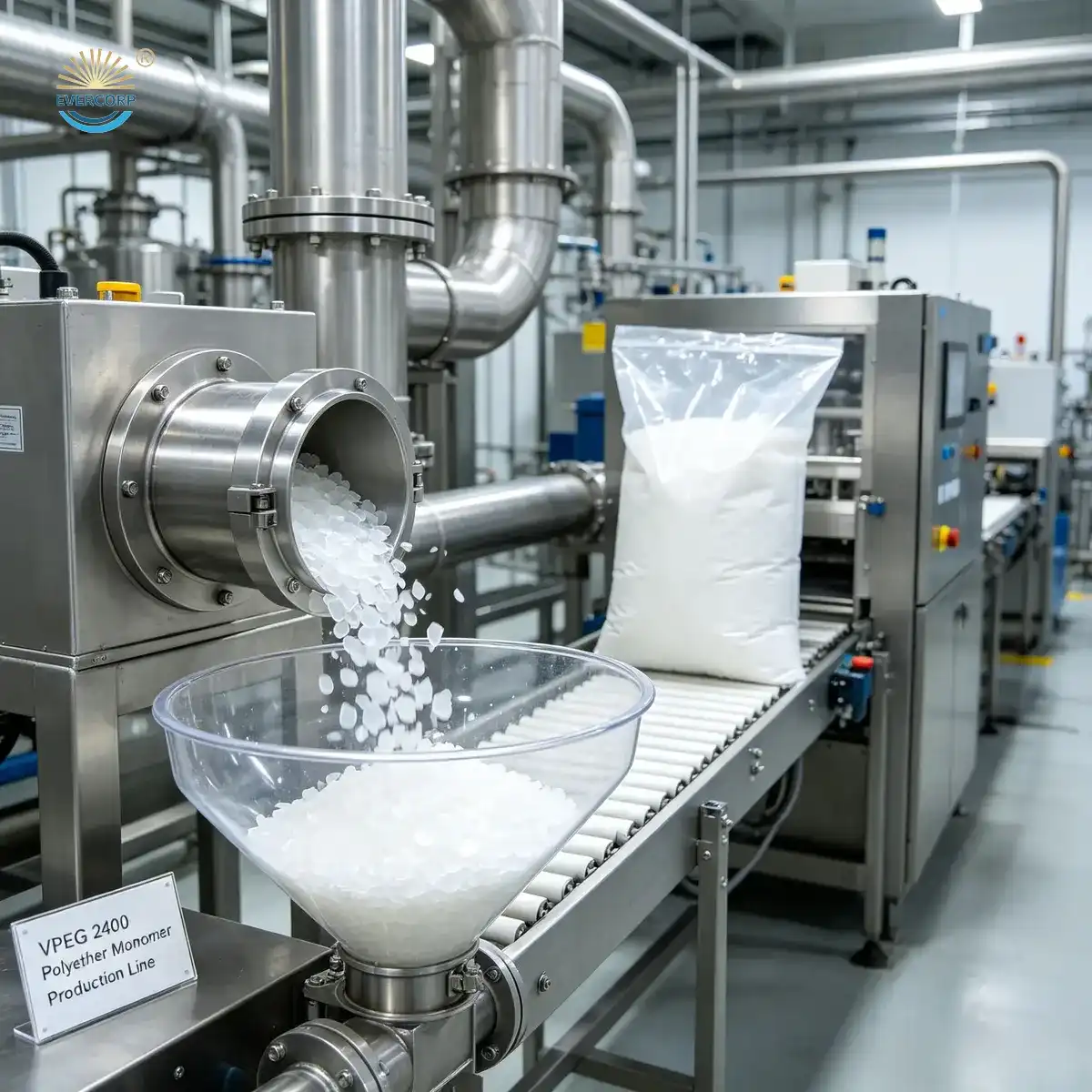
Procurement teams should check more than just technology datasheets to see what a provider can do. ISO 9001 certification makes sure that the consistency of each batch is the same. EverStar Group has factories in Southern, Eastern, and Northern China. These factories are close to major ports, which cuts down on logistics costs and allows for standard delivery in 3 days, which is very important for managing just-in-time inventory systems.
Third-party testing by SGS and Intertek backs up our claims about our double bond retention, which gives Fortune 500 clients the traceability they need. This openness makes switching from well-known HPEG sources to next-generation monomers more secure.
- Procurement Guide for VPEG 2400 PCE Monomer
(1). Sourcing Channels and Quality Certifications
To find trustworthy vinyl polyether providers, you need to carefully look at their quality control and production integration systems. Trading companies don't have as much control over the purity of the raw materials and the process parameters as fully integrated manufacturers do. This means that there is less chance of contamination from leftover catalysts or oligomers. To avoid cross-contamination, make sure that companies have different lines for making polyethers from lines used for other chemical processes.
Certifications are the first step in the screening process. REACH registration confirms entry to the European market, and FDA compliance supports the possibility of dual use for some PCE derivatives in food-Contact Uses. Getting halal and kosher licenses makes it easier to sell to customers in the Middle East and who follow kosher rules. This lets you get more customers without having to change the recipe.
(2). Pricing Structures and Negotiation Strategies
Minimum order quantities usually begin at 5 tons, which strikes a balance between the logistics of the supplier and the costs of the buyer's inventory. When commitments reach 50 tons, volume tiers often lower unit prices by 8–12%. Above 200 tons per year, they drop by 15–20%. But the lowest price doesn't always mean the best value. You need to think about things like the availability of technical support, the ability to provide samples for local cement testing, and the dependability of the supply chain.
Your payment terms for Vpeg 2400 Pce Monomer For Concrete can be as short as 60 days for new customers or as long as you have been a client for a while. Letters of credit are used to protect international deals worth more than $100,000. They lower the risk of currency fluctuations and make sure that international trade rules are followed.
(3). Logistics and Supply Chain Management
Shipping times depend on where the package is going. Ships bring goods from China to the United States. Gulf Coast ports takes between 28 and 35 days on average, but air freight can restock quickly within 5 to 7 days for a higher fee. EverStar Group's 5,000-ton inventory buffer keeps production going even when competitors run out of stock during North America's peak construction seasons, from April to October.
To follow customs rules, you need to have accurate HS code classification (2909.49 for polyether monomers) and the right paperwork, like certificates of origin, commercial invoices, and material safety data sheets. Working with providers who know how to handle export paperwork makes clearance faster and easier, which saves money on demurrage fees and project delays.
- Customer Support, Technical Assistance, and Case Studies
(1). Comprehensive Technical Services
To switch to VPEG 2400, you need to do more than just replace one ingredient. The whole process needs to be optimized. Our multilingual expert team is available 24 hours a day, seven days a week by phone, email, and videoconferencing to help with polymerization problems, dosage estimates, and tests for compatibility with local cement brands. We offer free samples weighing 5 to 10 kg for lab tests, so customers can check how well it works with their own aggregates and mix designs before placing bulk orders.
On-site training programs teach how to control the temperature of the reactor, choose the right initiator, and do quality control tasks like testing for double bond retention with bromination. Formulation development times drop from 6 months to 8–12 weeks because of these events. This speeds up the time it takes for new PCE products made for high-sulfate coastal cements to hit the market.
(2). Real-World Implementation Success
When using local volcanic ash cements with 4.1% SO₀, a precast manufacturer in a tropical coastal region had to deal with constant slump loss. When they switched to VPEG 2400-based PCE, they kept the 200 mm slump for 90 minutes at 32°C, which was enough for trucks to get to building sites on remote islands. Mold change rates went up by 35%, and expensive grinding processes were no longer needed because of better surface finish quality. This saved $180,000 a year.
Our monomer was used by an infrastructure contractor in the Middle East to make self-compacting concrete for a 450-meter bridge project. Dense rebar congestion needed more than 600 mm of spread without segregation. The VPEG-based mixture met these needs and reached 60 MPa compression strength after 28 days, which led to a $12 million deal for a second bridge phase.
(3). Future Innovations in Polyether Technology
Researchers are still looking into how to make molecular weight changes between 1800 and 3000 g/mol work best for 3D printing and ultra-high-performance concrete (UHPC). We're looking into grafting ratios that make clay more tolerable in places where washing aggregate isn't cost-effective. This will make VPEG even more useful in a wider range of markets. Our 5% yearly R&D investment, which is more than the average for the industry, makes sure that our customers can get cutting-edge solutions that are in line with changing building methods and environmental standards.
- Conclusion
Vpeg 2400 Pce Monomer For Concrete solves important problems that regular HPEG monomers can't, like keeping the dispersion performance in high-sulfate cements, lowering the amount of energy needed for polymerization, and making sure that batch quality stays the same across different cement sources. It has a history of reliability in tough environments, from deserts in the Middle East to coastal projects in Southeast Asia. This is something that procurement workers and technical leaders look for. When you work with integrated manufacturers that have a large inventory, a lot of certifications, and quick technical support, you get a competitive edge when making next-generation superplasticizers that meet strict performance standards while keeping formulation costs low.
- FAQ
(1). What dosage of VPEG 2400 achieves optimal PCE performance?
When polymerization formulas are made, they usually use VPEG 2400 at a 40–60% molar ratio to acrylic acid, based on how much water they want to remove and how much slump they want to keep. Higher VPEG ratios make it easier to work with, but they may make setting times a little longer.
(2). How does VPEG 2400 compare to naphthalene sulfonates?
PCE made from this monomer can reduce water by 25–30%, while naphthalene-based plasticizers can only do 15–20%. It also works well with other cementitious materials like fly ash and slag and doesn't lose its usefulness when used in smaller amounts.
(3). What storage conditions prevent quality degradation?
Keep flakes in sealed containers below 35°C in places that control humidity. Moisture or heat above 40°C for a long time can weaken the double bond, which makes polymerization less effective. If you store it right, it will last for 12 to 18 months.
(4). Can VPEG 2400 be used with air-entraining agents?
Yes, PCE made from this monomer works well with most products that remove foam and move air around. Do tests in the lab to find the best dosages. Some mixes may need small changes to get the target air content (4–7%) in freeze-thaw resistant concrete.
- Partner with a Trusted VPEG 2400 Pce Monomer For Concrete Supplier
With factory-direct access to high-quality vinyl polyether monomers, EverStar Group is ready to help you make the switch to making sulfate-resistant superplasticizers. Our ISO-certified quality systems, 14 years of manufacturing experience, and 5,000-ton warehouse capacity make sure that you get consistent materials and full expert support. Whether you're making formulas for high-rise pumping concrete, precast parts, or large-scale infrastructure, our bilingual team is available 24 hours a day, seven days a week to help. We also offer free sample testing and formulas that are specifically made for the cement in your area. You can get detailed datasheets, certificates of analysis, and a custom quote by emailing us at info@cneverstar.com or going to cneverstar.com. Find out why top admixture makers in more than 50 countries choose EverStar Group as their top Vpeg 2400 Pce Monomer For Concrete supplier for quality and speedy service.
- References
1. Taylor, H.F.W. (1997). Cement Chemistry, 2nd Edition. Thomas Telford Publishing, London.