Hydroxypropyl Methyl Cellulose Hpmc
Viscosity: 19,000-24,000 / 27,000-30,000 / 28,000-30,000 mPa·s
Methoxy Content: 19-24% / 27-30%
Hydroxypropyl Content: 4-12%
Gel Temperature: 60-75°C
Moisture: ≤5%
Ash: ≤5%
CAS: 9004-65-3
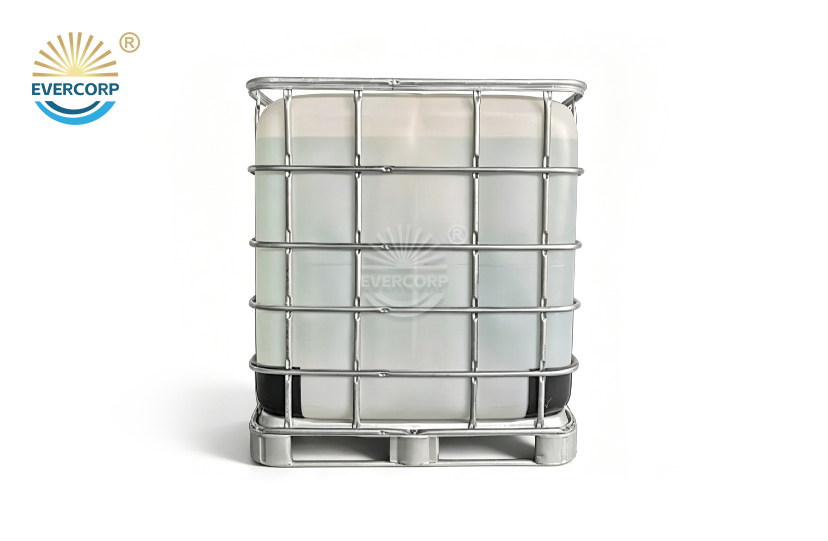
Package: 25kg bag or drum
Hydroxypropyl Methyl Cellulose Hpmc – Professional Grade Cellulose Ether from EverStar Group
EverStar Group delivers factory-direct Hydroxypropyl Methyl Cellulose Hpmc backed by 13 years of chemical manufacturing excellence. Our production facility maintains over 5,000 tons of inventory, ensuring stable batch-to-batch consistency with viscosity grades ranging from 19,000–30,000 mPa·s. Each lot undergoes strict quality verification for methoxyl content (19–30%) and hydroxypropyl content (4–12%), meeting EU REACH compliance. You get reliable performance in construction mortars, detergents, and controlled-release formulations—all at competitive factory pricing with 99.5% on-time delivery to over 50 countries.
What Is Hydroxypropyl Methyl Cellulose Hpmc?
This non-ionic cellulose ether originates from high-purity cotton or wood pulp through alkalization and etherification.
It functions as a multifunctional polymer:
- Thickener for liquid systems
- Water-retention agent in cementitious materials
- Film-former for protective coatings
- Binder in tablet manufacturing
You'll discover it fathoms basic challenges like destitute workability in tile cements, fast dampness misfortune in thin-layer renders, and consistency flimsiness in cleanser formulations.
Its semi-synthetic structure bridges the hole between crude fabric execution and end-product toughness by conveying controlled rheology and improved attachment.
Technical Specifications
| Parameter | Value |
|---|---|
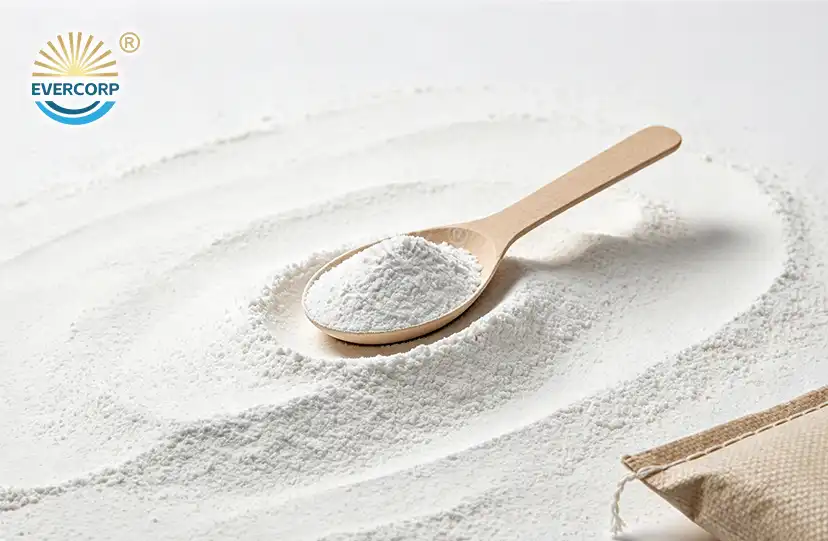
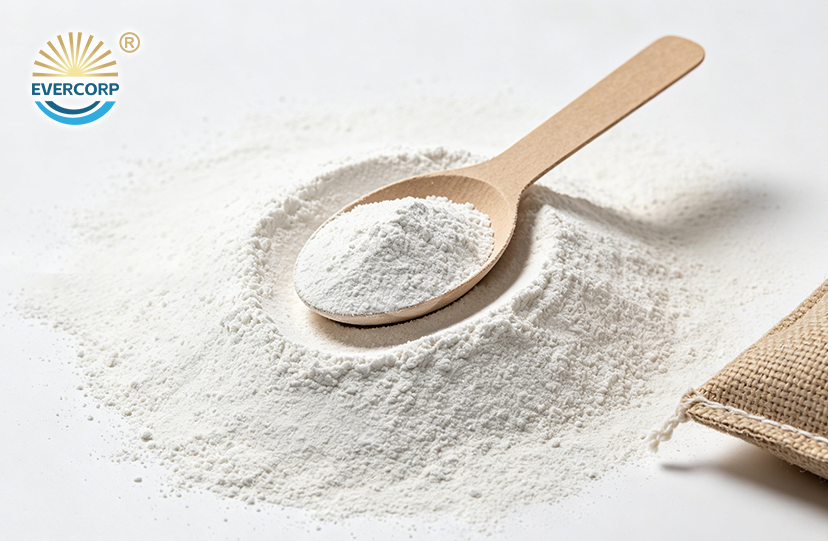
| Appearance | White powder |
| Viscosity Range | 19,000–30,000 mPa·s |
| Methoxyl Content | 19–30% |
| Hydroxypropyl Content | 4–12% |
| Gel Temperature | 60–75°C |
| Moisture | ≤5% |
| Ash Content | ≤5% |
| CAS Number | 9004-65-3 |
| Packaging | 25 kg bag or drum |
| Particle Size | 95% pass 100-mesh screen |
| pH Stability | 3.0–11.0 |
Note: Product specifications may be adjusted during product iteration and optimization. Please submit your inquiry to us for the latest data and official COA documents.
Key Advantages for Your FormulationsExcellent Water Retention
Anticipates quick drying in thin-layer Applications, particularly beneath tall encompassing temperatures. Your mortar remains workable longer, lessening rehydration labor and fabric waste.
Superior Anti-Sag Performance
Vertical tile establishments advantage from improved thixotropy. Tiles remain in put amid the curing stage without slipping, assembly EN 12004 C1TE/C2TE measures when combined with starch ethers at 0.03–0.08%.
Wide Thickness Options
Choose from different grades to coordinate your particular mortar type—from self-leveling compounds requiring lower thickness to heavy-duty tile cements requiring higher values.
S-Grade Surface Treatment Available
Instant cold-water dispersion of Hydroxypropyl Methyl Cellulose Hpmc eliminates hot-water mixing steps. You achieve lump-free hydration even with high-shear mixers, streamlining your production workflow.
Salt Tolerance and Enzyme Resistance
As a non-ionic polymer, it maintains stability in high-salt detergent formulations and resists enzymatic degradation in biological environments.
Core Applications
Construction Industry
- Tile Adhesives: Extended open time and slip resistance ensure secure vertical bonding.
- EIFS (Exterior Insulation Finishing Systems): Uniform hydration of cement prevents cracking in thin renders.
- Self-Leveling Compounds: Controlled flow and surface smoothness.
Personal Care and Detergents
- Hand Sanitizers: Rheology modification maintains gel consistency across temperature fluctuations.
- Shampoos: Foam stabilization and viscosity enhancement improve user experience.
Pharmaceutical and Food Grade
- Vegetable Capsule Shells: HPMC capsules offer a plant-based alternative to gelatin.
- Controlled-Release Matrices: Gradual drug dissolution profiles.
- Gluten-Free Baking: Mimics gluten's structural properties, ensuring volume and moisture retention.
Quality Control You Can Trust
EverStar's in-house laboratory performs five critical inspections on every batch:
Viscosity Testing
We utilize Brookfield rotational viscometers to confirm review details. Consistency over clusters implies your definition performs the same each time.
Ash Substance Analysis
Lower fiery debris substance (≤5%) demonstrates prevalent washing and filtration amid generation. You maintain a strategic distance from remaining pollutions that compromise last item clarity.
Moisture Substance Control
Maintained underneath 5% to avoid microbial development and clumping amid capacity. Your stock remains free-flowing indeed in sticky climates.
Water Maintenance Rate
Standard mortar vacuum filtration tests affirm execution in bone-dry development situations. You secure cement hydration beneath extraordinary heat.
Transparency and pH Value
A clear 2% fluid arrangement with unbiased pH signals tall substitution consistency and negligible remaining chemicals. Your conclusion clients encounter steady quality.
Why Choose EverStar Group?
Large-Scale Manufacturing
Our robotized generation lines and 5,000-ton capacity capacity guarantee you never confront supply shortages—even for bulk holder orders.
Custom Detailing Support
Our R&D research facility creates tailor-made consistency grades and surface medications inside 24 hours. You get precisely what your application demands.
Strict Compliance
EU REACH enlistment and ISO Certifications cruel you meet administrative prerequisites in Europe, North America, and beyond.
99.5% On-Time Delivery
Professional trade bundling and coordinations coordination ensure your shipments arrive as scheduled—every time.
Dedicated Specialized Assistance
Chemical engineers give full lifecycle back, from test testing to after-sales investigating. You continuously have master guidance.
FAQ
Q: Why does the powder clump when I include it to water?
A: Non-surface-treated grades require hot water scattering (over 80°C) or high-shear blending. For cold-water applications, ask our S-grade (surface-treated) adaptation that scatters right away without lumps.
Q: How does temperature influence viscosity?
A: Consistency diminishes as temperature rises until the warm gelation point (60–75°C) is come to. At that arrange, the arrangement shapes a reversible gel structure. Cooling reestablishes the fluid state.
Q: Can I utilize this item in high-salt cleanser formulations?
A: Completely. As a non-ionic ether, it shows predominant salt resistance compared to ionic polymers like CMC. You keep up steady consistency indeed at tall electrolyte concentrations.
Q: What's the contrast between 'Instant' and 'Slow-dissolve' types?
A: Moment sorts experience glyoxal surface treatment to delay introductory hydration. This permits lump-free cold-water blending. Slow-dissolve grades require hot water or amplified blending time but offer superior taken a toll efficiency.
Q: Does it influence the setting time of cement?
A: Whereas its essential part is water maintenance, tall measurements (over 0.3%) can somewhat hinder setting time. Beneath ordinary dose (0.05–0.2%), any delay is negligible and frequently advantageous for workability in hot climates.
Q: What is the ordinary rack life?
A: When put away in a cool, dry environment (underneath 30°C, relative mugginess
Get Started with Factory-Direct Pricing
Contact Us today at info@cneverstar.com to request technical data sheets, free samples, or a customized quote for Hydroxypropyl Methyl Cellulose Hpmc.