Complete Guide to VPEG 2400 Polyether Monomer: From Raw Material to Concrete Application
* Understanding the role of vinyl-terminated polyether monomers in modern construction chemistry is critical for procurement managers seeking reliable raw materials for polycarboxylate superplasticizer (PCE) production. VPEG 2400 Polyether Monomer stands out as a premium macro-monomer engineered to address batch consistency challenges, supply chain vulnerabilities, and performance variability in concrete admixtures. This guide walks you through its chemical profile, industrial Applications, quality benchmarks, and procurement strategies—helping you make informed sourcing decisions that protect production schedules and product quality.
- Understanding VPEG 2400 Polyether Monomer
(1). What Is VPEG 2400 and Why It Matters?
VPEG 2400 is a very active vinyl-terminated polyoxyethylene ether that has a molecular weight of about 2400 g/mol. It has hydroxyl groups at one end and reactive double bonds at the other. This allows controlled copolymerization with acrylic acid or maleic anhydride to make third-generation polycarboxylate superplasticizers. Modern concrete technology depends on these PCEs because they solve important problems like cement that doesn't adapt well, low slump retention in hot climates, and problems getting water reduction ratios higher than 30% in ultra-high-performance concrete (UHPC). Compared to naphthalene or melamine-based plasticizers, polyether-based monomers offer better steric hindrance and dispersion stability. This makes it possible for concrete mixes to be easier to work with without affecting their long-term strength or setting time.
How accurate the molecular weight is is very important. A chain length of 2400 g/mol gives the best side-chain extension in the end polymer, which maximizes the steric repulsion between cement particles while keeping the viscosity of the liquid additive low. This balance is hard to reach with monomers that are shorter in length, like HPEG 1200, or longer, like TPEG 2400, because they don't bond with the vinyl group.
(2). Key Chemical and Physical Properties
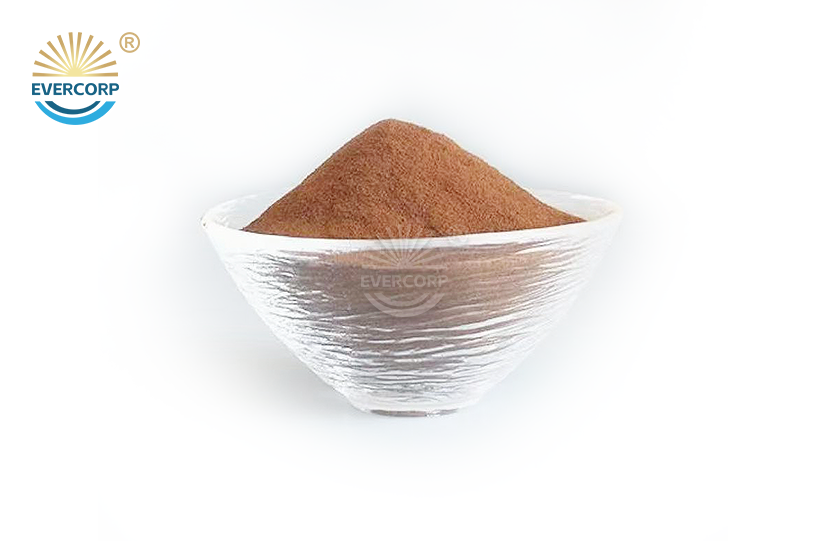
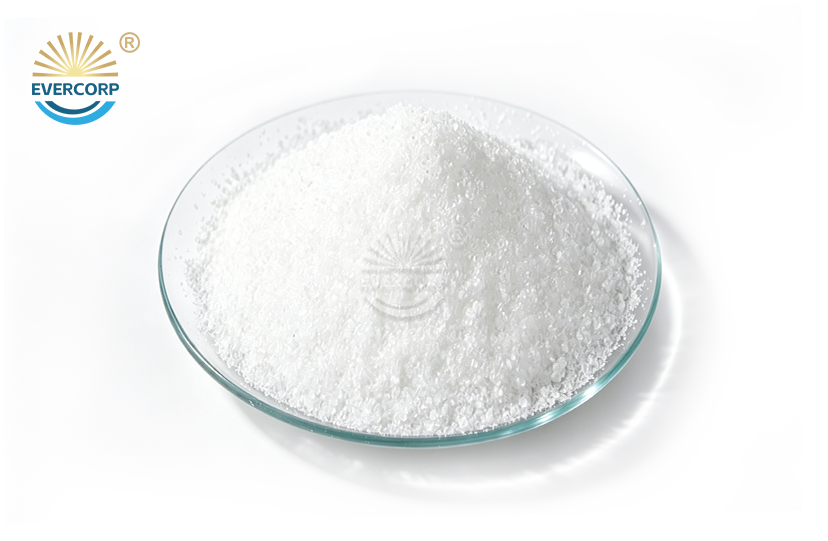
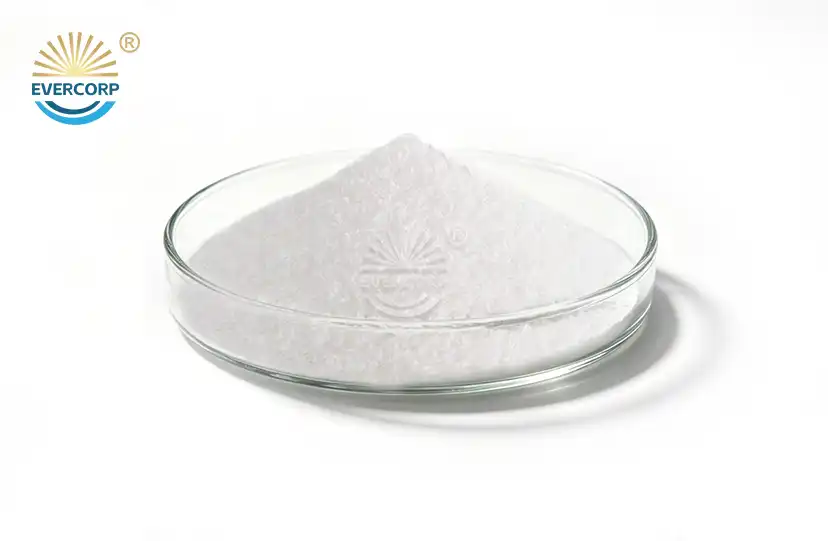
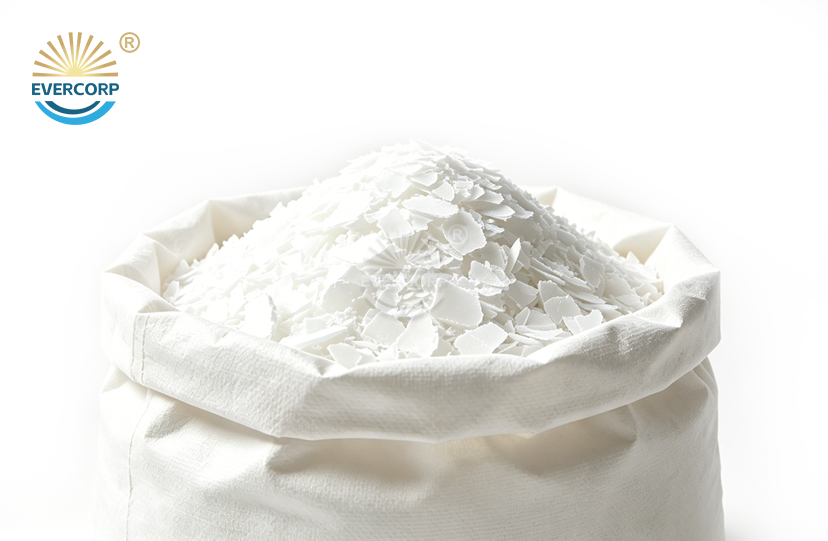
The technical details of this polyether molecule have a direct effect on how well it polymerizes and how well the finished mixture works. EverStar Group's VPEG 2400 looks like white to off-white flakes and has a solid content of more than 98%, which means that it doesn't react badly with water during synthesis. The iodine value of 8.5 g I₂/100g and the unsaturation level of 0.3783 mmol/g show that the double bond retention is ≥92%, which is important for getting high conversion rates during free-radical polymerization. Hydroxyl values of 22 to 25 mg KOH/g show controlled ethoxylation, and a pH range of 5 to 7 in a 5% water solution makes it compatible with most synthesis conditions. Having less than 0.3% moisture stops the vinyl group from breaking down, so it stays stable for a long time while being stored.


These parameters are not made up on the spot. Consistency from batch to batch in the amount of unsaturation and the spread of molecular weight directly leads to expected PCE performance in concrete. A small polydispersity index (PDI) stops the formation of inactive low-molecular-weight fractions, which can make it harder for air to move through or make water removal less effective.
(3). Quality Control and Batch Consistency
Suppliers who are trusted are set apart from those who aren't by strict quality assurance processes. As part of multi-stage tests, unsaturation can be measured using mercury-free iodine value methods or NMR spectroscopy to make sure the grafting works well. Gel Permeation Chromatography (GPC) confirms the molecular weight distribution and makes sure that the PDI is tight, which gets rid of performance inconsistency. Karl Fischer titration keeps the moisture level below 0.2%, and water solution clarity testing at a 25% concentration looks for oil-phase impurities that haven't been broken down yet that could lower the concrete's air content.
EverStar Group has three factories that all have quality systems that are ISO 9001-certified. Before each batch of VPEG 2400 Polyether Monomer is shipped, the COA checks it to make sure it is authentic. This methodical technique solves a problem that many companies in the PCE industry have had: their production has been interrupted by monomer quality issues caused by brokers or makers who are too small. Our on-site inventory of more than 5,000 tons and 99.5% on-time delivery rate to over 50 countries show that we are committed to supply reliability, which is something that large-scale admixture producers depend on.
- Applications and Performance of VPEG 2400
(1). High-Speed Rail and Infrastructure Projects
For bridge piers, tunnels, and high-speed rail foundations, C60–C80 grade high-strength concrete needs materials that last a long time and don't shrink much. Polycarboxylate superplasticizers made from vinyl polyethylene glycol ether monomers meet strict requirements for increasing compressive strength and staying resistant to sulfate attack over time. The dense side-chain distribution in PCEs stops concrete from bleeding and segregating. This is especially important for large pours where consistency must be kept across multiple mixer trucks.
Major infrastructure clients, such as those connected to Fortune 500 building companies, depend on the reliable performance that well-manufactured monomers offer. One change in the double-bond retention of a single batch can cause slump loss problems on-site, which can delay pours and raise costs. The 2400 molecular weight version strikes a good balance between the ability to reduce water and the time it takes to slump back down. In warm conditions, this usually means that the product can be used for three hours longer without slowing down the initial set.
(2). Ready-Mix Concrete in Extreme Climates
Putting down concrete in hot weather is different from other times. When the temperature outside is above 35°C, the cement dries faster, which leads to "flash set," which means that it becomes less workable before the placement is finished. In these situations, traditional plasticizers based on lignosulfonate don't keep the slump. This problem can be solved by PCEs made with high-purity polyether monomers, which have better dispersion mechanisms. Even when cement particles speed up their reaction kinetics, the steric repulsion caused by the grafted polyethylene oxide chains still works.
Our STAR Sulfate-Adaptive Technology keeps the diffusion efficiency at 90% or higher even in high-sulfate cements (SO₃ >3.5%), which is a problem that often happens near the coast or when mixed cements contain industrial waste. This durability means that ready-mix producers can get different kinds of cement without having to change the way their admixture blends are made, which is a big help when they have to run more than one plant.
(3). Precast Concrete Manufacturing
Architectural precast parts need to be able to change molds quickly and have good surface finishes. Early strength development lets the mold be taken out within 12 to 16 hours, which cuts the cost of steam curing by up to 40%. Because VPEG 2400 Polyether Monomer additives don't react strongly to clay particles in sand and rocks, they can be used in places where aggregate quality changes with the seasons. Low viscosity and high water solubility in the final polymer solution make dosing systems easier to use and pump maintenance less frequent.
Making production more efficient means saving more than just demolding time. The constant rheology of concrete mixes made with good PCEs cuts down on surface voids and honeycombing, which lowers the need for rework and makes visible building surfaces look better. Because of these real benefits, precast producers can cut costs and stand out from the competition.

- Comparing VPEG 2400 with Other Polyether Monomers
(1). Chemical Structure and Reactivity Differences
The structure of VPEG 2400, which is vinyl-terminated, is very different from allyl-terminated variants like APEG or methoxy-capped polyethylene glycols (MPEG). The vinyl group reacts more readily in free-radical polymerization, which means that lower amounts of initiator are needed to finish the reaction faster. This cuts down on the amount of monomers that remain in the final product, which makes the admixture more stable and less likely to smell or change color. HPEG (methallyl alcohol polyoxyethylene ether) requires additional processing steps before polymerization. VPEG's ready reactivity makes synthesis protocols easier and batch cycles shorter.
Molecular weight choice also has an effect on performance. TPEG 2400 has a similar chain length, but its isopentenyl end group results in slightly different adsorption behavior with cement surfaces, which makes the initial diffusion power a little lower. Shorter-chain options, like VPEG 1200, make the end polymer more dense in charges, but they don't keep the charge for as long, so they can only be used for precast uses that need to be easy to work with.
(2). Application Suitability and Performance Trade-offs
Each type of polyether monomer fits into a certain niche. The VPEG 2400 is the workhorse for ready-mix and infrastructure projects because it has the right amount of water-reduction power, slump retention, and cost-effectiveness. It works well with C30 to C80 grade concrete in a range of climates. Shorter-chain monomers work best for high-early-strength precast but not so well for long-term workability. Longer-chain versions, like VPEG 4800, are better at keeping their shape, but they are more expensive and have more problems with viscosity in liquid mixtures.
Understanding these trade-offs keeps you from making expensive mistakes when choosing monomers based on what they will be used for. It would be wasteful for a buying manager looking for VPEG 4800 for a precast plant that needs to be able to work with it for two hours, while a ready-mix maker in Southeast Asia would get complaints from the field if they used VPEG 1200 in their normal formulations.
- Procurement Guide for VPEG 2400 Polyether Monomer
(1). Identifying Reliable Suppliers
Integrated manufacturers, tolling operations, and traders make up the polyether monomer supply landscape. It is very important to tell these groups apart. Integrated producers have quality labs, ethoxylation reactors, and raw material processing of VPEG 2400 Polyether Monomer all under one roof. This makes it easier to keep an eye on quality and keep extra supplies on hand. Toll operations hire outside companies to do their work, which adds variation. Traders add profit without adding value, which can make it hard to see where the goods really come from.
EverStar Group runs three fully owned facilities in China's south, east, and north. These facilities are carefully placed near major ports to keep transportation costs as low as possible. We can keep more than 5,000 tons of ready-to-ship goods on hand because of this vertical integration. This is a very important buffer during busy construction seasons, when spot shortages can stop production lines. Our 14 years of experience making chemicals and list of clients that includes CEMEX-affiliated businesses and CHT partnerships show that we have the size and dependability that big PCE makers need.
(2). Supplier Qualification and Risk Mitigation
Setting up a dual-supplier strategy lowers the risk of a single source, which has caused production to stop at several admixture plants. As part of the approval process, factories should be checked to make sure they have the right reactors, quality labs, and clear ways to get raw materials. Ask for batch-to-batch COA data from the past six months to check if the unsaturation and molecular weight are consistent. If a supplier keeps less than two weeks' worth of extra stock, there is a chance that they won't be able to meet demand when it goes up.
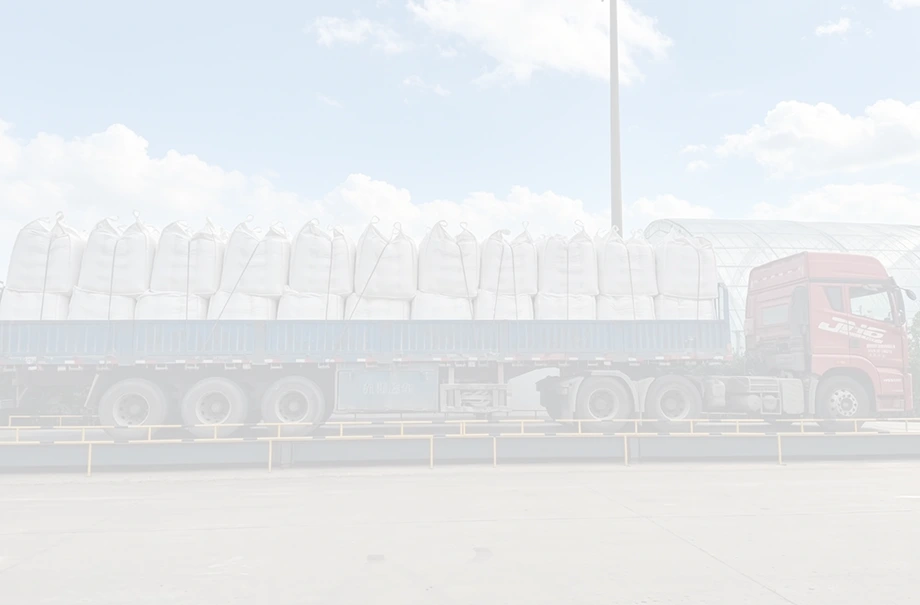
Different suppliers have different minimum order amounts. EverStar's 5-ton MOQ works for medium-sized companies that want to try new formulas, and our bulk tanker and IBC options work for large companies that want to save money on transportation. Payment terms depend on how old the relationship is. Long-term clients with verified credit can choose monthly settlement options, which make managing cash flow easier than the usual reserve requirements for smaller sellers.
(3). Technical Support and OEM Collaboration
Technical partnership is what creates long-term value, not just the supply of products. Reputable manufacturers offer support in multiple languages 24 hours a day, seven days a week, as well as on-site training for synthesis optimization and formulation help for difficult aggregate or cement combinations. The research and development team at EverStar spends 5% of the company's yearly income on creating custom solutions for different uses. These include PCE formulations that don't react with clay and ultra-low-viscosity versions for high-concentration liquid admixtures.
Free sample programs that can be sent out in 5 days let you compare your new provider to the ones you already use. It is very important to test with local rocks and cements because lab results don't always reflect what will happen in the field because minerals vary. Our technical documentation suite includes SDS, TDS, mixing calculators, and usage videos. This makes it easier for production teams to get new information when suppliers change.
- Conclusion
Choosing the right vinyl polyethylene glycol ether monomer supplier for VPEG 2400 Polyether Monomer has a direct effect on the stability of your PCE production, your cost structure, and your ability to compete in markets that are very strict. As important as unit costs are batch uniformity, supply reliability, and the ability to work with others on technical issues. EverStar Group is a great partner for admixture producers who want to get factory-direct value and get rid of supply chain risks thanks to our integrated manufacturing footprint, certified quality systems, and track record of working with global construction leaders. With a yearly capacity of 50,000 tons or more, logistics benefits across multiple regions, and full technology support, this company sets itself up for long-term partnership that lasts longer than transactional supply relationships.
- FAQ
(1). How Does Molecular Weight Affect Concrete Performance?
The molecular weight of 2400 g/mol gives the best side-chain length for maximizing steric hindrance, which means that it reduces water better and spreads particles more evenly than the 1200 or 1500 variants. Longer chains keep the slump better, but they cost more and make the blend more viscous.
(2). What Are Recommended Storage Conditions?
Keep it somewhere cool and dry, below 35°C. When temperatures are high, flake caking happens, and double bonds may slowly break down due to oxidation. Containers that are sealed keep out wetness, which can lower sensitivity.
(3). Can This Monomer Support Clay-Resistant Formulations?
Yes, its structure can be changed during polymerization with certain co-monomers that make PCE less sensitive to clay-contaminated clumps. This is a typical problem when the quality of natural sand changes with the seasons.
(4). What Is the Shelf Life Under Optimal Conditions?
If you store chemicals in a sealed container for a year, their activity stays the same. After six months, testing the iodine value shows that it is still suitable for important uses that need the most polymerization efficiency.
- Partner with a Trusted VPEG 2400 Polyether Monomer Manufacturer
EverStar Group gets rid of the supply uncertainties that cause PCE production schedules to get thrown off. As a factory-direct provider with three ideally placed facilities and more than 5,000 tons of buffer inventory, we can offer consistent quality and fast delivery that trading middlemen can't match. The strict standards of the Fortune 500 construction chemical companies that do business around the world are met by our ISO-certified production methods, compliance with REACH, and detailed quality documentation. Our technical team can help you set up a dual-supplier plan or find direct suppliers to cut your raw material costs by 20–40%. They can also help you with formulation and give you the logistics flexibility you need to turn supplier relationships into competitive benefits. To learn more about how our polyether monomer solutions can help you stand out in the tough concrete market, email info@cneverstar.com for a free sample and copy of your certificate of analysis (COA). You can also visit cneverstar.com.