BLOG List
Concrete Retarders: Types, Uses, Dosage, Benefits & How They Work
Concrete retarders are widely used in modern concrete construction when additional time is needed for transportation, placement, compaction, or finishing.
A concrete retarder is a chemical admixture that delays the setting time of concrete by slowing the early hydration reactions between cement and water. It extends the workable period of fresh concrete without preventing the cement from eventually hardening.
Concrete retarders are particularly useful in hot-weather concreting, mass concrete, long-distance ready-mix transportation, large continuous pours, bridges, dams, tunnels, and complex concrete structures where premature setting could affect placement quality.
Common retarding materials include lignosulfonates, hydroxycarboxylic acids and their salts, phosphates, certain carbohydrates, and formulated retarding admixtures. Sodium gluconate, the sodium salt of gluconic acid, is also widely used as a set-control component in concrete admixture formulations.
Concrete Retarder at a Glance
| Item | Quick Answer |
|---|---|
| What is a concrete retarder? | A chemical admixture used to delay the setting of concrete |
| Main purpose | Extend working, transportation, placement, and finishing time |
| How does it work? | It slows the early hydration reactions between cement and water |
| Common applications | Hot weather, mass concrete, long transport, large continuous pours |
| Common types | Lignosulfonates, hydroxycarboxylates, phosphates, carbohydrates, formulated admixtures |
| Typical dosage | Depends on retarder chemistry, cement, temperature, mix design, and required delay |
| Key benefit | Greater control over concrete setting and placement |
| Main risk | Excessive retardation when overdosed |
| Testing | Laboratory and plant trial mixes are recommended before field use |
What Is a Concrete Retarder?
A concrete retarder, also known as a set retarder or retarding admixture, is an admixture designed to delay the setting of fresh concrete.
After cement is mixed with water, a series of chemical reactions known as cement hydration begins. These reactions gradually transform the fresh mixture from a workable material into hardened concrete.
Under normal conditions, this process provides sufficient time for mixing, transportation, placement, and finishing. However, high temperatures, long transportation distances, large concrete placements, or complicated construction procedures can cause concrete to lose workability or begin setting before the work is completed.
A concrete retarder helps control this process by extending the available working time.
This does not mean that the concrete permanently stops hardening. When properly formulated and dosed, the retarder primarily affects the early hydration and setting process, while normal strength development continues afterward.
How Do Concrete Retarders Work?
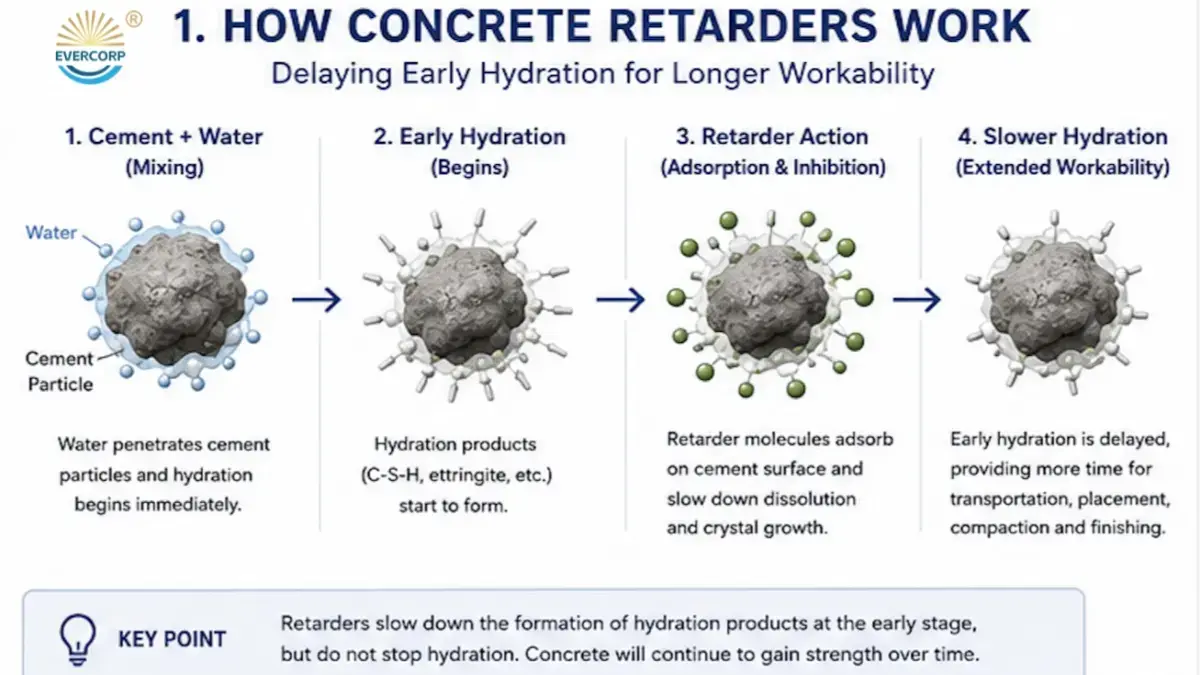
Concrete retarders work by interfering temporarily with the early stages of cement hydration.
When Portland cement comes into contact with water, several cement compounds dissolve and react, eventually forming hydration products such as calcium silicate hydrate (C-S-H), which is primarily responsible for the strength development of hardened concrete.
Depending on their chemistry, retarding compounds can interact with cement hydration through mechanisms such as:
adsorption onto cement particle surfaces;
complexation with calcium ions;
modification of dissolution and precipitation reactions;
temporary inhibition of hydration-product nucleation and growth.
The overall effect is a slower early hydration rate and therefore a longer period before initial and final setting occur.
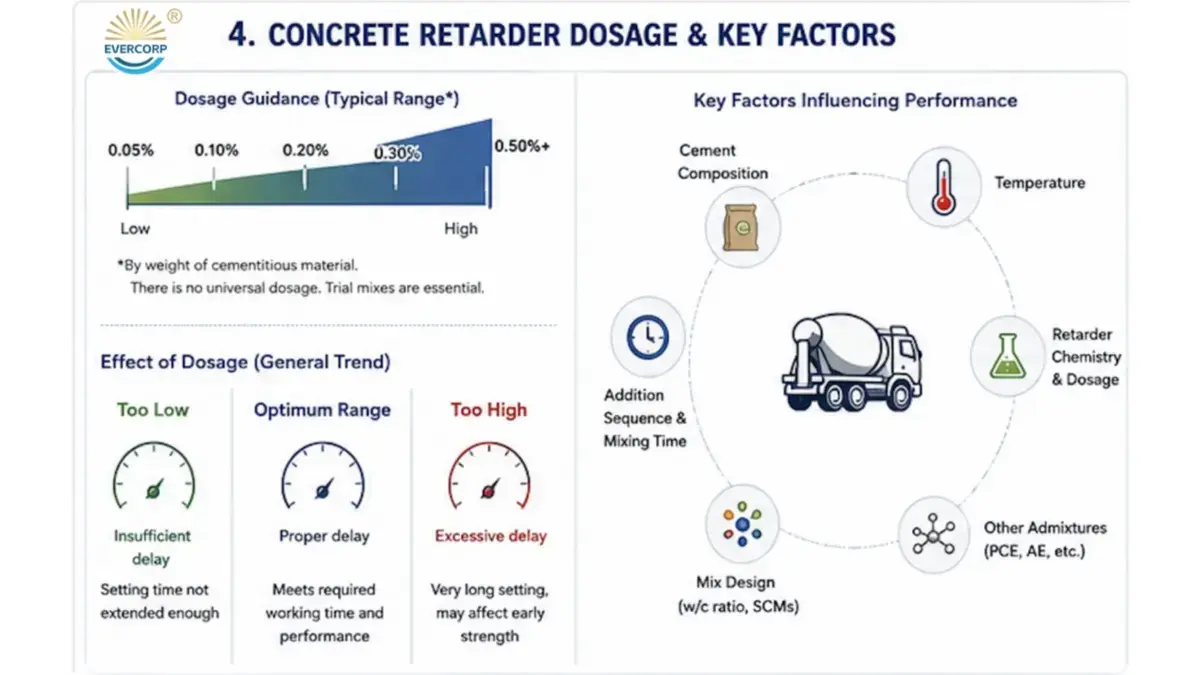
The degree of retardation is not determined by dosage alone. Cement composition, concrete temperature, supplementary cementitious materials, water-cement ratio, other admixtures, and mixing sequence can all influence performance.
For this reason, trial mixes are essential when a specific setting-time extension is required.
What Are the Main Types of Concrete Retarders?
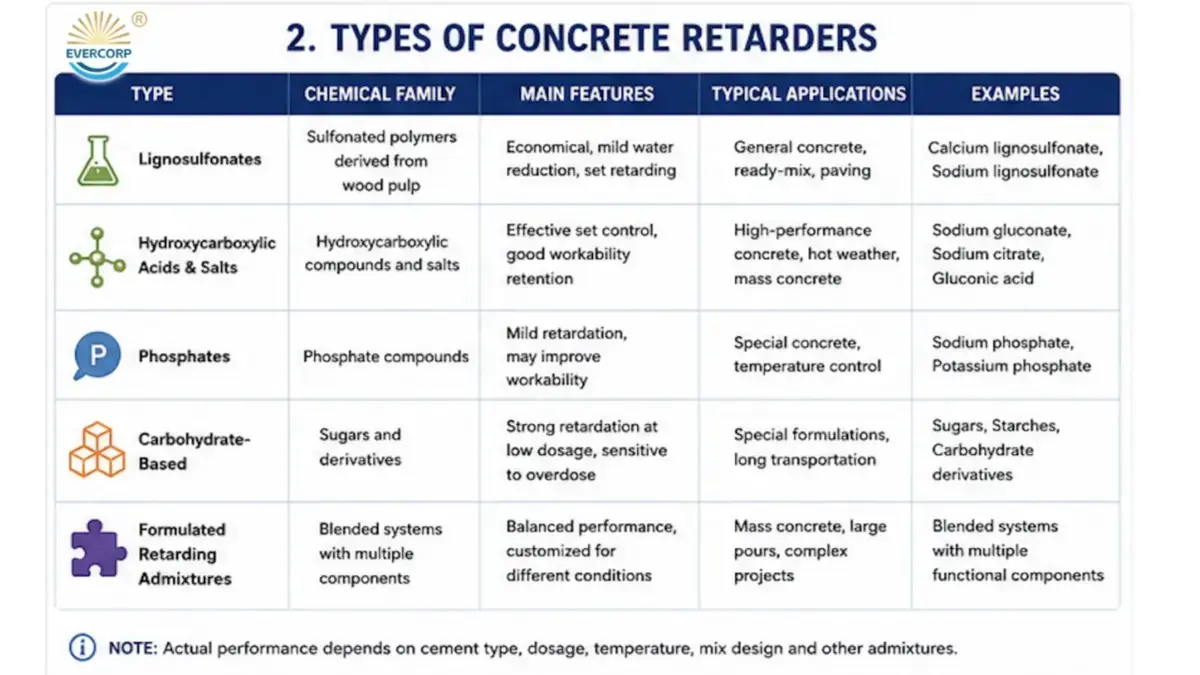
Concrete retarders can be produced from several chemical families. Each behaves differently depending on cement chemistry, dosage, temperature, and the overall concrete formulation.
1. Lignosulfonates
Lignosulfonates are commonly used in traditional concrete admixture formulations and can provide both mild water reduction and setting retardation.
They are widely available and relatively economical, which has made them common ingredients in general-purpose concrete admixtures.
Their actual effect on setting time depends on the product composition, cement characteristics, and dosage.
2. Hydroxycarboxylic Acids and Their Salts
Hydroxycarboxylic compounds are another important group of set-control materials.
This category includes gluconic-acid-based chemistry and related salts.
Sodium gluconate is the sodium salt of gluconic acid and is commonly used as a set-control and chelating component in concrete admixture formulations.
Its interaction with calcium ions and cement surfaces can influence early cement hydration, making it useful in formulations where controlled retardation and workability retention are required.
Performance remains dosage- and cement-dependent, so laboratory evaluation is necessary before commercial application.
3. Phosphates
Certain phosphate compounds can influence cement hydration and may be used as components in specialized retarding systems.
Their performance depends strongly on the formulation and cement system, so they are generally selected according to specific technical requirements rather than treated as universal retarders.
4. Carbohydrate-Based Retarders
Certain sugars and carbohydrate derivatives can strongly affect cement hydration even at relatively low concentrations.
Because small dosage changes may produce significant differences in setting behavior, precise dosage control is particularly important when these materials are used.
Excessive quantities may result in severe or unpredictable retardation.
5. Formulated Retarding Admixtures
Many commercial concrete retarders are not based on a single ingredient.
Instead, manufacturers may combine several functional materials to achieve a target balance between:
setting-time control;
workability retention;
water reduction;
compatibility with cement;
temperature sensitivity;
strength development.
Formulated products are especially useful where concrete performance needs to remain consistent under changing construction conditions.
What Are Concrete Retarders Used For?
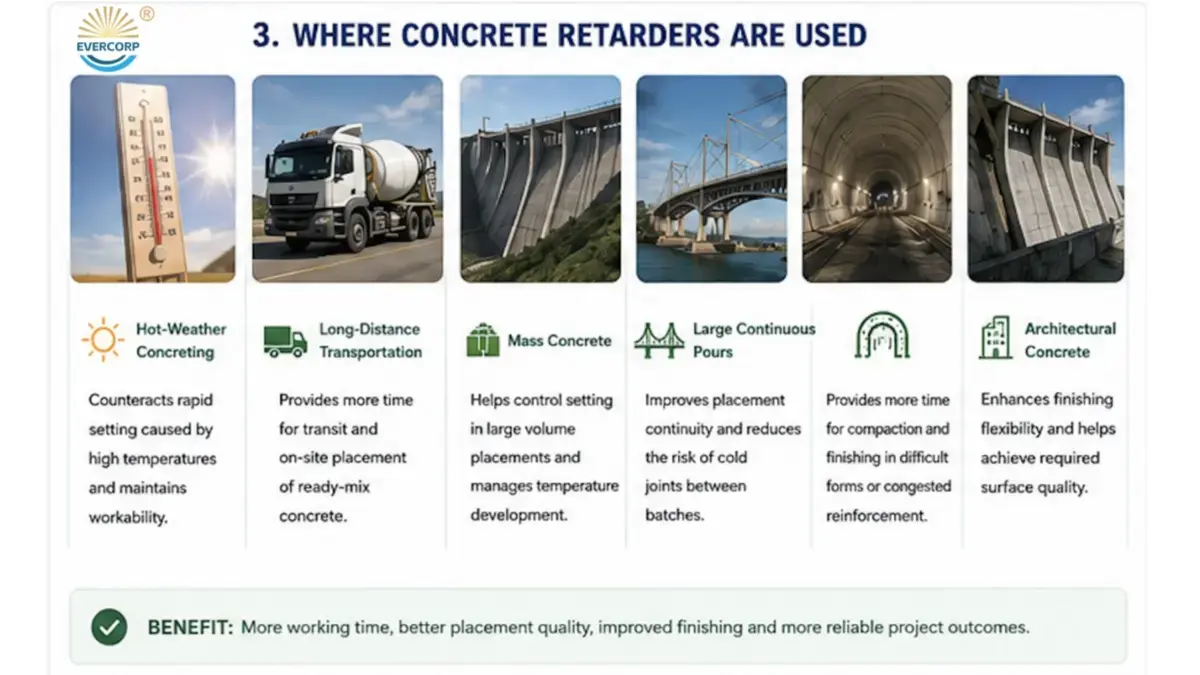
The primary purpose of a concrete retarder is to provide additional working time before the concrete begins to set.
Hot-Weather Concreting
High concrete temperatures can accelerate cement hydration and increase the rate of workability loss.
Retarding admixtures can help extend the available time for transportation, placement, consolidation, and finishing during hot-weather construction.
They are therefore commonly considered for projects in tropical, desert, and high-temperature environments.
Long-Distance Ready-Mix Transportation
Ready-mix concrete may need to travel significant distances between the batching plant and construction site.
Traffic congestion, remote project locations, or complicated unloading procedures can further increase delivery time.
Controlled retardation can provide additional flexibility and reduce the risk of concrete beginning to set prematurely during transportation or placement.
Mass Concrete
Mass concrete structures such as dams, thick foundations, large pile caps, and other large-volume placements require careful control of both construction sequencing and temperature development.
Retarding admixtures can support longer placement windows and help construction teams manage continuous large-volume pours.
However, retarders are only one part of a complete mass-concrete thermal-control strategy.
Large Continuous Pours
Bridge decks, airport pavements, industrial floors, foundations, and other large placements may require multiple concrete trucks to discharge continuously over several hours.
A controlled setting window helps reduce the risk of unwanted construction joints and provides crews with more consistent time for placement and finishing.
Complex Concrete Structures
Concrete with complicated reinforcement, difficult formwork, architectural detailing, or demanding finishing requirements may require additional placement time.
Retarders can provide greater flexibility where normal setting characteristics would make construction difficult.
What Are the Benefits of Concrete Retarders?
When properly selected and dosed, concrete retarders can provide several practical benefits.
Extended Working Time
The most important benefit is additional time for transportation, placement, compaction, and finishing.
Better Hot-Weather Set Control
Retarders can help compensate for accelerated setting caused by elevated concrete temperatures.
Improved Placement Continuity
For large pours, longer working time can make it easier to coordinate multiple batches and maintain continuity between successive concrete deliveries.
Greater Finishing Flexibility
Additional working time gives construction crews more opportunity to complete screeding, leveling, texturing, and other finishing operations.
Support for Complex Construction
Projects involving difficult access, dense reinforcement, complicated formwork, or extended pumping distances may benefit from additional placement time.
It is important, however, to distinguish these benefits from guaranteed performance improvements. A retarder must be properly matched with the cement and overall mix design to achieve the intended result.
How Much Concrete Retarder Should Be Used?
There is no universal dosage for concrete retarders.
The optimum dosage depends on several factors, including:
| Factor | Why It Matters |
|---|---|
| Retarder chemistry | Different chemical families have different dose-response behavior |
| Cement composition | Cement mineralogy and sulfate balance can affect retardation |
| Concrete temperature | Temperature strongly influences hydration and setting |
| Supplementary cementitious materials | Fly ash, slag, silica fume, and other SCMs may change setting behavior |
| Water-cement ratio | Mix composition influences hydration and admixture response |
| Other admixtures | PCEs, air entrainers, accelerators, and other additives may interact |
| Required delay | Longer transportation or placement windows may require different set-control strategies |
| Addition sequence | When and how the admixture is introduced can influence performance |
Increasing retarder dosage generally increases the setting delay within an appropriate working range, but the relationship should not be assumed to be perfectly linear.
Excessive dosage may cause very long setting delays and may adversely affect early-age performance.
For commercial concrete production, the recommended procedure is to establish dosage through laboratory trial mixes followed by plant-scale verification under representative job-site conditions.
What Factors Affect Concrete Retarder Performance?
Two concrete mixtures containing the same retarder at the same dosage can behave differently.
Important variables include:
Cement Chemistry
Different cement sources can have different clinker mineral compositions, sulfate levels, fineness, and supplementary materials.
These differences can significantly affect the response to a retarding admixture.
Temperature
Temperature is one of the most important variables affecting concrete setting.
A formulation developed at 20°C should not automatically be expected to provide exactly the same setting-time extension at 35°C.
Supplementary Cementitious Materials
Fly ash, ground granulated blast-furnace slag, silica fume, limestone powder, and other supplementary materials can influence hydration behavior and admixture demand.
Water-Reducing Admixtures
Modern concrete frequently contains both set-control agents and high-range water reducers.
Their interaction should be evaluated as part of the complete concrete formulation rather than testing each ingredient in isolation.
Mixing and Addition Sequence
The point at which the retarder is introduced during batching can influence dispersion and interaction with cement.
Consistent batching procedures are therefore important for repeatable performance.
Concrete Retarder vs. Surface Retarder: What's the Difference?
A concrete retarding admixture and a surface retarder are not the same product, even though both delay cement hydration.
| Feature | Concrete Retarding Admixture | Surface Retarder |
|---|---|---|
| Application | Added into the concrete mix | Applied to the concrete surface or formwork |
| Effect | Influences the bulk concrete | Primarily delays hydration at the surface |
| Main purpose | Extend setting and working time | Produce exposed-aggregate or textured surfaces |
| Common use | Ready-mix, mass concrete, hot-weather pours | Architectural and decorative concrete |
A conventional retarding admixture is distributed throughout the concrete.
A surface retarder, by contrast, is applied to selected surfaces. It temporarily delays hardening of the surface cement paste so that the outer paste can later be removed to expose the aggregate underneath.
Concrete Retarder vs. Water Reducer vs. Superplasticizer
Concrete retarders are also sometimes confused with water reducers and superplasticizers.
Their primary functions are different.
| Admixture | Primary Function | Typical Effect on Setting | Main Objective |
|---|---|---|---|
| Concrete retarder | Delay setting | Retards | Extend working time |
| Water reducer | Reduce required mixing water | Depends on chemistry | Improve workability or strength |
| Superplasticizer | Provide high-range water reduction | Depends on formulation | High flow and/or low water-cement ratio |
| Retarding water reducer | Water reduction + retardation | Retards | Combine workability and extended set |
A product may perform more than one function.
For example, ASTM C494/C494M Type D admixtures combine water reduction with retardation.
Can Concrete Retarders Be Used with PCE Superplasticizers?
Yes, retarders can be used in concrete containing polycarboxylate ether (PCE) superplasticizers, but compatibility should be verified through testing.
Polycarboxylate ether (PCE) is a high-range water-reducing polymer widely used in modern concrete to improve flowability and reduce water demand.
When a PCE superplasticizer and a retarding component are used together, several variables can affect performance:
PCE molecular structure;
retarder chemistry;
cement composition;
dosage;
temperature;
addition sequence;
supplementary cementitious materials.
The combination may influence both slump retention and setting behavior.
For high-performance concrete, self-compacting concrete, precast formulations, and long-slump-retention systems, compatibility testing should therefore be performed using the actual cement and materials intended for the project.
Concrete Retarder Standards and Testing
Concrete admixtures should be evaluated according to applicable national or project-specific standards.
ASTM C494/C494M
ASTM C494/C494M is a widely used specification covering performance requirements for chemical admixtures for concrete.
Relevant classifications include:
Type B — Retarding
Type D — Water-Reducing and Retarding
The appropriate classification depends on the functions and performance of the admixture.
EN 934-2
For many European and international projects, EN 934-2 provides requirements for admixtures used in concrete.
Project specifications may also establish additional requirements depending on structural design, exposure conditions, and local regulations.
Setting-Time Testing
Setting behavior can be evaluated using standardized test procedures such as ASTM C403/C403M, which determines the time of setting of concrete mixtures by penetration resistance.
Compressive-Strength Testing
Hardened concrete performance can be evaluated through compressive-strength testing, such as ASTM C39/C39M, where applicable.
Compliance should always be assessed against the relevant standard, project specification, and approved concrete mix design.
How to Choose the Right Concrete Retarder
Selecting a retarder should be based on the concrete system and construction conditions rather than product price alone.
Consider the following factors.
1. Required Setting-Time Extension
Determine how much additional working time is actually needed for transportation, pumping, placement, and finishing.
2. Concrete Temperature
Consider both batching temperature and expected site conditions.
3. Cement and SCM Compatibility
Test the retarder with the actual cement, fly ash, slag, or other cementitious materials used in production.
4. Compatibility with Other Admixtures
If the mix contains PCE superplasticizers, air-entraining agents, viscosity modifiers, or other admixtures, evaluate the complete admixture system.
5. Concrete Performance Requirements
Do not evaluate setting time alone.
Workability, slump retention, air content, early strength, later-age strength, and durability requirements may also need to be considered.
6. Technical Documentation
For international procurement, request relevant technical documentation such as:
Technical Data Sheet (TDS)
Safety Data Sheet (SDS)
Certificate of Analysis (COA)
product specification;
recommended storage conditions;
packaging information;
regulatory or quality documentation where applicable.
7. Trial Samples
For concrete admixture raw materials, laboratory samples allow formulators to evaluate compatibility with local cement and other raw materials before commercial purchasing.
Common Problems When Using Concrete Retarders
Excessive Retardation
Overdosing can result in significantly delayed initial and final setting.
The severity depends on the retarder chemistry, dosage, cement, and temperature.
Insufficient Retardation
If the dosage is too low for the actual temperature or transportation conditions, the required working-time extension may not be achieved.
Cement Compatibility Problems
Changing cement suppliers without repeating compatibility tests can produce unexpected changes in setting behavior.
Interaction with Other Admixtures
Retarders should not be evaluated independently when they are used in complex admixture systems.
Inconsistent Batching
Variations in dosage accuracy or addition sequence can contribute to inconsistent field performance.
For these reasons, concrete producers should maintain appropriate quality-control procedures and verify significant formulation changes through testing.
Storage, Handling and Safety
Storage requirements vary by product chemistry and physical form.
Always follow the manufacturer's TDS and SDS for specific storage and handling instructions.
General good practice includes:
storing the material in its original or suitable compatible container;
protecting the product from contamination;
observing recommended storage temperatures;
using appropriate personal protective equipment;
avoiding uncontrolled discharge into soil or waterways;
following applicable local regulations for handling and disposal.
Shelf life should not be generalized across all concrete retarders. Refer to the individual product specification for the recommended storage period.
Frequently Asked Questions About Concrete Retarders
What is a concrete retarder?
A concrete retarder is a chemical admixture that delays the setting of concrete by slowing early cement hydration. It provides additional time for transportation, placement, compaction, and finishing.
How does a concrete retarder work?
Retarders interact with cement particles, dissolved ions, or early hydration products and temporarily slow the reactions responsible for concrete setting. The exact mechanism depends on the chemistry of the retarding agent.
What are the main types of concrete retarders?
Common categories include lignosulfonates, hydroxycarboxylic acids and their salts, phosphates, certain carbohydrates, and formulated commercial retarding admixtures.
Is sodium gluconate a concrete retarder?
Sodium gluconate is widely used as a set-control component in concrete admixture formulations. Its interaction with cement hydration can provide retardation and contribute to workability-control systems. Actual performance depends on dosage, cement chemistry, temperature, and the complete admixture formulation.
Does a concrete retarder reduce concrete strength?
Not necessarily. A properly selected and dosed retarder is intended to delay setting while allowing the concrete to develop its required hardened properties. Excessive dosage or an incompatible mix design, however, can affect early-age performance, which is why trial testing is important.
How much concrete retarder should be used?
There is no universal dosage. The appropriate amount depends on the retarder chemistry, cement, temperature, mix design, other admixtures, and required setting-time extension. Laboratory trial mixes should be used to determine the appropriate dosage.
What happens if too much concrete retarder is added?
Excessive dosage can cause very long setting delays and may affect early strength development. The concrete should be evaluated according to appropriate quality-control and testing procedures rather than assuming that it will perform normally.
Can concrete retarders be used with PCE superplasticizers?
Yes, but compatibility testing is recommended. PCE structure, retarder chemistry, cement composition, dosage, temperature, and addition sequence can all influence slump retention and setting behavior.
What is the difference between a concrete retarder and a surface retarder?
A concrete retarding admixture is mixed throughout the concrete to delay bulk setting. A surface retarder is applied to the surface or formwork and primarily delays the surface paste, usually for exposed-aggregate finishes.
When should a concrete retarder be used?
Concrete retarders are commonly considered for hot-weather concreting, long-distance ready-mix transportation, mass concrete, large continuous pours, complex structures, and projects requiring additional placement or finishing time.
Looking for Concrete Retarder Raw Materials?
EverStar Group supplies chemical raw materials for concrete admixture manufacturers, ready-mix producers, construction chemical formulators, and international distributors.
For concrete set-control Applications, we supply sodium gluconate and related concrete admixture raw materials for customers developing retarding, water-reducing, and workability-control formulations.
Technical and commercial information can be provided according to product and project requirements, including:
TDS
SDS
COA
Product samples
Technical specifications
Packaging options
Export documentation
If you are evaluating sodium gluconate or other raw materials for a concrete admixture formulation, EverStar Group can support product selection based on your required specification, application, packaging, and shipment requirements.
Contact EverStar Group: info@cneverstar.com
Request a sample or quotation to evaluate the material with your local cement and admixture formulation.
References
1. ASTM International. ASTM C494/C494M — Standard Specification for Chemical Admixtures for Concrete.
2. ASTM International. ASTM C403/C403M — Standard Test Method for Time of Setting of Concrete Mixtures by Penetration Resistance.
3. ASTM International. ASTM C39/C39M — Standard Test Method for Compressive Strength of Cylindrical Concrete Specimens.
4. European Committee for Standardization. EN 934-2 — Admixtures for Concrete, Mortar and Grout — Concrete Admixtures.
5. ACI Committee 212. Report on Chemical Admixtures for Concrete.
6. Ramachandran, V. S. Concrete Admixtures Handbook: Properties, Science, and Technology.
7. Mindess, S., Young, J. F., and Darwin, D. Concrete.
Complete Guide to VPEG 2400 Polyether Monomer: From Raw Material to Concrete Application
* Understanding the role of vinyl-terminated polyether monomers in modern construction chemistry is critical for procurement managers seeking reliable raw materials for polycarboxylate superplasticizer (PCE) production. VPEG 2400 Polyether Monomer stands out as a premium macro-monomer engineered to address batch consistency challenges, supply chain vulnerabilities, and performance variability in concrete admixtures. This guide walks you through its chemical profile, industrial Applications, quality benchmarks, and procurement strategies—helping you make informed sourcing decisions that protect production schedules and product quality.
- Understanding VPEG 2400 Polyether Monomer
(1). What Is VPEG 2400 and Why It Matters?
VPEG 2400 is a very active vinyl-terminated polyoxyethylene ether that has a molecular weight of about 2400 g/mol. It has hydroxyl groups at one end and reactive double bonds at the other. This allows controlled copolymerization with acrylic acid or maleic anhydride to make third-generation polycarboxylate superplasticizers. Modern concrete technology depends on these PCEs because they solve important problems like cement that doesn't adapt well, low slump retention in hot climates, and problems getting water reduction ratios higher than 30% in ultra-high-performance concrete (UHPC). Compared to naphthalene or melamine-based plasticizers, polyether-based monomers offer better steric hindrance and dispersion stability. This makes it possible for concrete mixes to be easier to work with without affecting their long-term strength or setting time.
How accurate the molecular weight is is very important. A chain length of 2400 g/mol gives the best side-chain extension in the end polymer, which maximizes the steric repulsion between cement particles while keeping the viscosity of the liquid additive low. This balance is hard to reach with monomers that are shorter in length, like HPEG 1200, or longer, like TPEG 2400, because they don't bond with the vinyl group.
(2). Key Chemical and Physical Properties
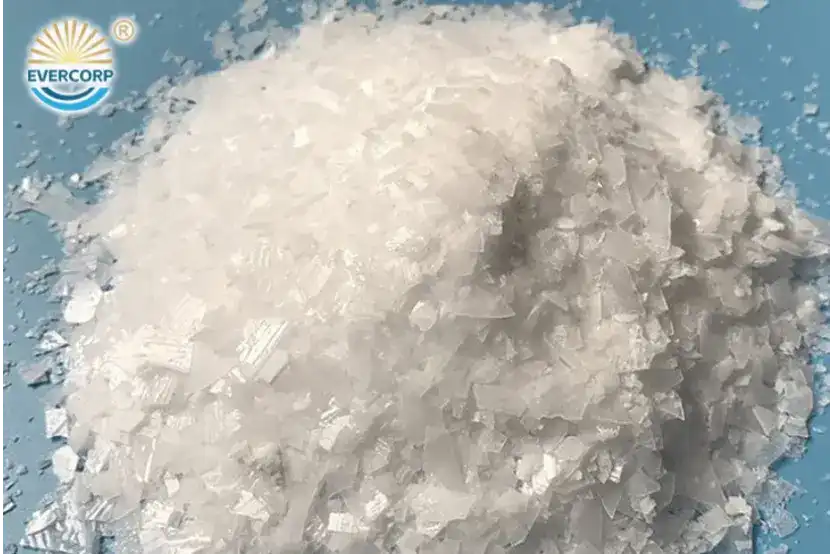
The technical details of this polyether molecule have a direct effect on how well it polymerizes and how well the finished mixture works. EverStar Group's VPEG 2400 looks like white to off-white flakes and has a solid content of more than 98%, which means that it doesn't react badly with water during synthesis. The iodine value of 8.5 g I₂/100g and the unsaturation level of 0.3783 mmol/g show that the double bond retention is ≥92%, which is important for getting high conversion rates during free-radical polymerization. Hydroxyl values of 22 to 25 mg KOH/g show controlled ethoxylation, and a pH range of 5 to 7 in a 5% water solution makes it compatible with most synthesis conditions. Having less than 0.3% moisture stops the vinyl group from breaking down, so it stays stable for a long time while being stored.


These parameters are not made up on the spot. Consistency from batch to batch in the amount of unsaturation and the spread of molecular weight directly leads to expected PCE performance in concrete. A small polydispersity index (PDI) stops the formation of inactive low-molecular-weight fractions, which can make it harder for air to move through or make water removal less effective.
(3). Quality Control and Batch Consistency
Suppliers who are trusted are set apart from those who aren't by strict quality assurance processes. As part of multi-stage tests, unsaturation can be measured using mercury-free iodine value methods or NMR spectroscopy to make sure the grafting works well. Gel Permeation Chromatography (GPC) confirms the molecular weight distribution and makes sure that the PDI is tight, which gets rid of performance inconsistency. Karl Fischer titration keeps the moisture level below 0.2%, and water solution clarity testing at a 25% concentration looks for oil-phase impurities that haven't been broken down yet that could lower the concrete's air content.
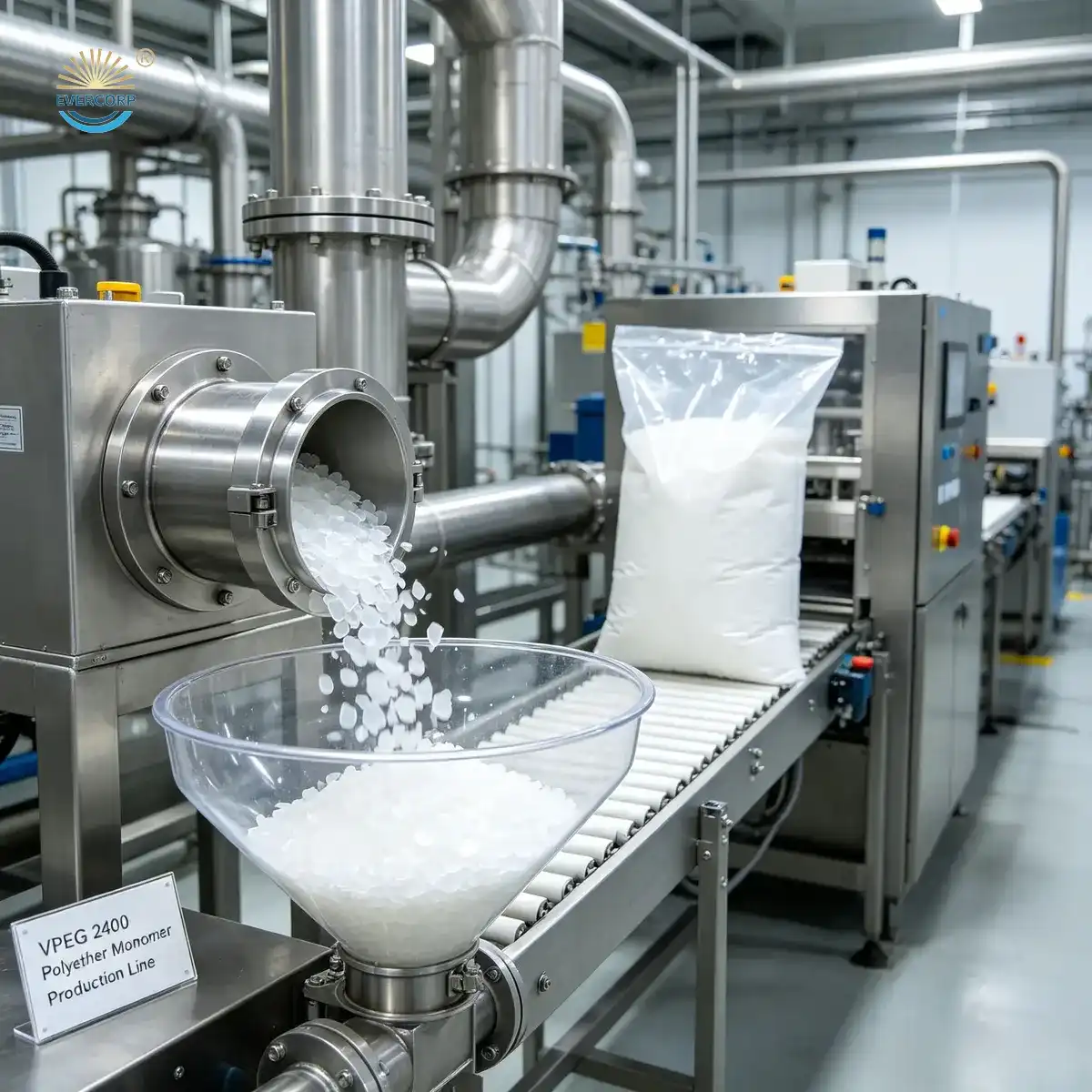
EverStar Group has three factories that all have quality systems that are ISO 9001-certified. Before each batch of VPEG 2400 Polyether Monomer is shipped, the COA checks it to make sure it is authentic. This methodical technique solves a problem that many companies in the PCE industry have had: their production has been interrupted by monomer quality issues caused by brokers or makers who are too small. Our on-site inventory of more than 5,000 tons and 99.5% on-time delivery rate to over 50 countries show that we are committed to supply reliability, which is something that large-scale admixture producers depend on.
- Applications and Performance of VPEG 2400
(1). High-Speed Rail and Infrastructure Projects
For bridge piers, tunnels, and high-speed rail foundations, C60–C80 grade high-strength concrete needs materials that last a long time and don't shrink much. Polycarboxylate superplasticizers made from vinyl polyethylene glycol ether monomers meet strict requirements for increasing compressive strength and staying resistant to sulfate attack over time. The dense side-chain distribution in PCEs stops concrete from bleeding and segregating. This is especially important for large pours where consistency must be kept across multiple mixer trucks.
Major infrastructure clients, such as those connected to Fortune 500 building companies, depend on the reliable performance that well-manufactured monomers offer. One change in the double-bond retention of a single batch can cause slump loss problems on-site, which can delay pours and raise costs. The 2400 molecular weight version strikes a good balance between the ability to reduce water and the time it takes to slump back down. In warm conditions, this usually means that the product can be used for three hours longer without slowing down the initial set.
(2). Ready-Mix Concrete in Extreme Climates
Putting down concrete in hot weather is different from other times. When the temperature outside is above 35°C, the cement dries faster, which leads to "flash set," which means that it becomes less workable before the placement is finished. In these situations, traditional plasticizers based on lignosulfonate don't keep the slump. This problem can be solved by PCEs made with high-purity polyether monomers, which have better dispersion mechanisms. Even when cement particles speed up their reaction kinetics, the steric repulsion caused by the grafted polyethylene oxide chains still works.
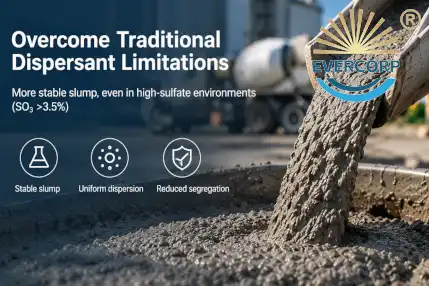
Our STAR Sulfate-Adaptive Technology keeps the diffusion efficiency at 90% or higher even in high-sulfate cements (SO₃ >3.5%), which is a problem that often happens near the coast or when mixed cements contain industrial waste. This durability means that ready-mix producers can get different kinds of cement without having to change the way their admixture blends are made, which is a big help when they have to run more than one plant.
(3). Precast Concrete Manufacturing
Architectural precast parts need to be able to change molds quickly and have good surface finishes. Early strength development lets the mold be taken out within 12 to 16 hours, which cuts the cost of steam curing by up to 40%. Because VPEG 2400 Polyether Monomer additives don't react strongly to clay particles in sand and rocks, they can be used in places where aggregate quality changes with the seasons. Low viscosity and high water solubility in the final polymer solution make dosing systems easier to use and pump maintenance less frequent.
Making production more efficient means saving more than just demolding time. The constant rheology of concrete mixes made with good PCEs cuts down on surface voids and honeycombing, which lowers the need for rework and makes visible building surfaces look better. Because of these real benefits, precast producers can cut costs and stand out from the competition.

- Comparing VPEG 2400 with Other Polyether Monomers
(1). Chemical Structure and Reactivity Differences
The structure of VPEG 2400, which is vinyl-terminated, is very different from allyl-terminated variants like APEG or methoxy-capped polyethylene glycols (MPEG). The vinyl group reacts more readily in free-radical polymerization, which means that lower amounts of initiator are needed to finish the reaction faster. This cuts down on the amount of monomers that remain in the final product, which makes the admixture more stable and less likely to smell or change color. HPEG (methallyl alcohol polyoxyethylene ether) requires additional processing steps before polymerization. VPEG's ready reactivity makes synthesis protocols easier and batch cycles shorter.
Molecular weight choice also has an effect on performance. TPEG 2400 has a similar chain length, but its isopentenyl end group results in slightly different adsorption behavior with cement surfaces, which makes the initial diffusion power a little lower. Shorter-chain options, like VPEG 1200, make the end polymer more dense in charges, but they don't keep the charge for as long, so they can only be used for precast uses that need to be easy to work with.
(2). Application Suitability and Performance Trade-offs
Each type of polyether monomer fits into a certain niche. The VPEG 2400 is the workhorse for ready-mix and infrastructure projects because it has the right amount of water-reduction power, slump retention, and cost-effectiveness. It works well with C30 to C80 grade concrete in a range of climates. Shorter-chain monomers work best for high-early-strength precast but not so well for long-term workability. Longer-chain versions, like VPEG 4800, are better at keeping their shape, but they are more expensive and have more problems with viscosity in liquid mixtures.
Understanding these trade-offs keeps you from making expensive mistakes when choosing monomers based on what they will be used for. It would be wasteful for a buying manager looking for VPEG 4800 for a precast plant that needs to be able to work with it for two hours, while a ready-mix maker in Southeast Asia would get complaints from the field if they used VPEG 1200 in their normal formulations.
- Procurement Guide for VPEG 2400 Polyether Monomer
(1). Identifying Reliable Suppliers
Integrated manufacturers, tolling operations, and traders make up the polyether monomer supply landscape. It is very important to tell these groups apart. Integrated producers have quality labs, ethoxylation reactors, and raw material processing of VPEG 2400 Polyether Monomer all under one roof. This makes it easier to keep an eye on quality and keep extra supplies on hand. Toll operations hire outside companies to do their work, which adds variation. Traders add profit without adding value, which can make it hard to see where the goods really come from.
EverStar Group runs three fully owned facilities in China's south, east, and north. These facilities are carefully placed near major ports to keep transportation costs as low as possible. We can keep more than 5,000 tons of ready-to-ship goods on hand because of this vertical integration. This is a very important buffer during busy construction seasons, when spot shortages can stop production lines. Our 14 years of experience making chemicals and list of clients that includes CEMEX-affiliated businesses and CHT partnerships show that we have the size and dependability that big PCE makers need.
(2). Supplier Qualification and Risk Mitigation
Setting up a dual-supplier strategy lowers the risk of a single source, which has caused production to stop at several admixture plants. As part of the approval process, factories should be checked to make sure they have the right reactors, quality labs, and clear ways to get raw materials. Ask for batch-to-batch COA data from the past six months to check if the unsaturation and molecular weight are consistent. If a supplier keeps less than two weeks' worth of extra stock, there is a chance that they won't be able to meet demand when it goes up.
Different suppliers have different minimum order amounts. EverStar's 5-ton MOQ works for medium-sized companies that want to try new formulas, and our bulk tanker and IBC options work for large companies that want to save money on transportation. Payment terms depend on how old the relationship is. Long-term clients with verified credit can choose monthly settlement options, which make managing cash flow easier than the usual reserve requirements for smaller sellers.
(3). Technical Support and OEM Collaboration
Technical partnership is what creates long-term value, not just the supply of products. Reputable manufacturers offer support in multiple languages 24 hours a day, seven days a week, as well as on-site training for synthesis optimization and formulation help for difficult aggregate or cement combinations. The research and development team at EverStar spends 5% of the company's yearly income on creating custom solutions for different uses. These include PCE formulations that don't react with clay and ultra-low-viscosity versions for high-concentration liquid admixtures.
Free sample programs that can be sent out in 5 days let you compare your new provider to the ones you already use. It is very important to test with local rocks and cements because lab results don't always reflect what will happen in the field because minerals vary. Our technical documentation suite includes SDS, TDS, mixing calculators, and usage videos. This makes it easier for production teams to get new information when suppliers change.
- Conclusion
Choosing the right vinyl polyethylene glycol ether monomer supplier for VPEG 2400 Polyether Monomer has a direct effect on the stability of your PCE production, your cost structure, and your ability to compete in markets that are very strict. As important as unit costs are batch uniformity, supply reliability, and the ability to work with others on technical issues. EverStar Group is a great partner for admixture producers who want to get factory-direct value and get rid of supply chain risks thanks to our integrated manufacturing footprint, certified quality systems, and track record of working with global construction leaders. With a yearly capacity of 50,000 tons or more, logistics benefits across multiple regions, and full technology support, this company sets itself up for long-term partnership that lasts longer than transactional supply relationships.
- FAQ
(1). How Does Molecular Weight Affect Concrete Performance?
The molecular weight of 2400 g/mol gives the best side-chain length for maximizing steric hindrance, which means that it reduces water better and spreads particles more evenly than the 1200 or 1500 variants. Longer chains keep the slump better, but they cost more and make the blend more viscous.
(2). What Are Recommended Storage Conditions?
Keep it somewhere cool and dry, below 35°C. When temperatures are high, flake caking happens, and double bonds may slowly break down due to oxidation. Containers that are sealed keep out wetness, which can lower sensitivity.
(3). Can This Monomer Support Clay-Resistant Formulations?
Yes, its structure can be changed during polymerization with certain co-monomers that make PCE less sensitive to clay-contaminated clumps. This is a typical problem when the quality of natural sand changes with the seasons.
(4). What Is the Shelf Life Under Optimal Conditions?
If you store chemicals in a sealed container for a year, their activity stays the same. After six months, testing the iodine value shows that it is still suitable for important uses that need the most polymerization efficiency.
- Partner with a Trusted VPEG 2400 Polyether Monomer Manufacturer
EverStar Group gets rid of the supply uncertainties that cause PCE production schedules to get thrown off. As a factory-direct provider with three ideally placed facilities and more than 5,000 tons of buffer inventory, we can offer consistent quality and fast delivery that trading middlemen can't match. The strict standards of the Fortune 500 construction chemical companies that do business around the world are met by our ISO-certified production methods, compliance with REACH, and detailed quality documentation. Our technical team can help you set up a dual-supplier plan or find direct suppliers to cut your raw material costs by 20–40%. They can also help you with formulation and give you the logistics flexibility you need to turn supplier relationships into competitive benefits. To learn more about how our polyether monomer solutions can help you stand out in the tough concrete market, email info@cneverstar.com for a free sample and copy of your certificate of analysis (COA). You can also visit cneverstar.com.
VPEG 2400 PCE Monomer for Concrete: What It Is and How It Works?
* If you're producing polycarboxylate superplasticizers for high-sulfate cement environments, you've likely encountered slump loss, dispersion failure, and formulation instability. VPEG 2400 Pce Monomer For Concrete addresses these challenges directly. This vinyl-terminated polyoxyethylene ether features a molecular weight of approximately 2400 g/mol, double bond retention above 96%, and proven sulfate resistance exceeding 90% even when cement SO₃ content surpasses 3.5%. Unlike conventional HPEG monomers, VPEG 2400 maintains consistent polymerization efficiency at lower reaction temperatures (35–45°C), reducing energy costs while delivering superior admixture performance in coastal regions and infrastructure projects.
- What Is VPEG 2400 PCE Monomer?
(1). Molecular Architecture and Physical Properties
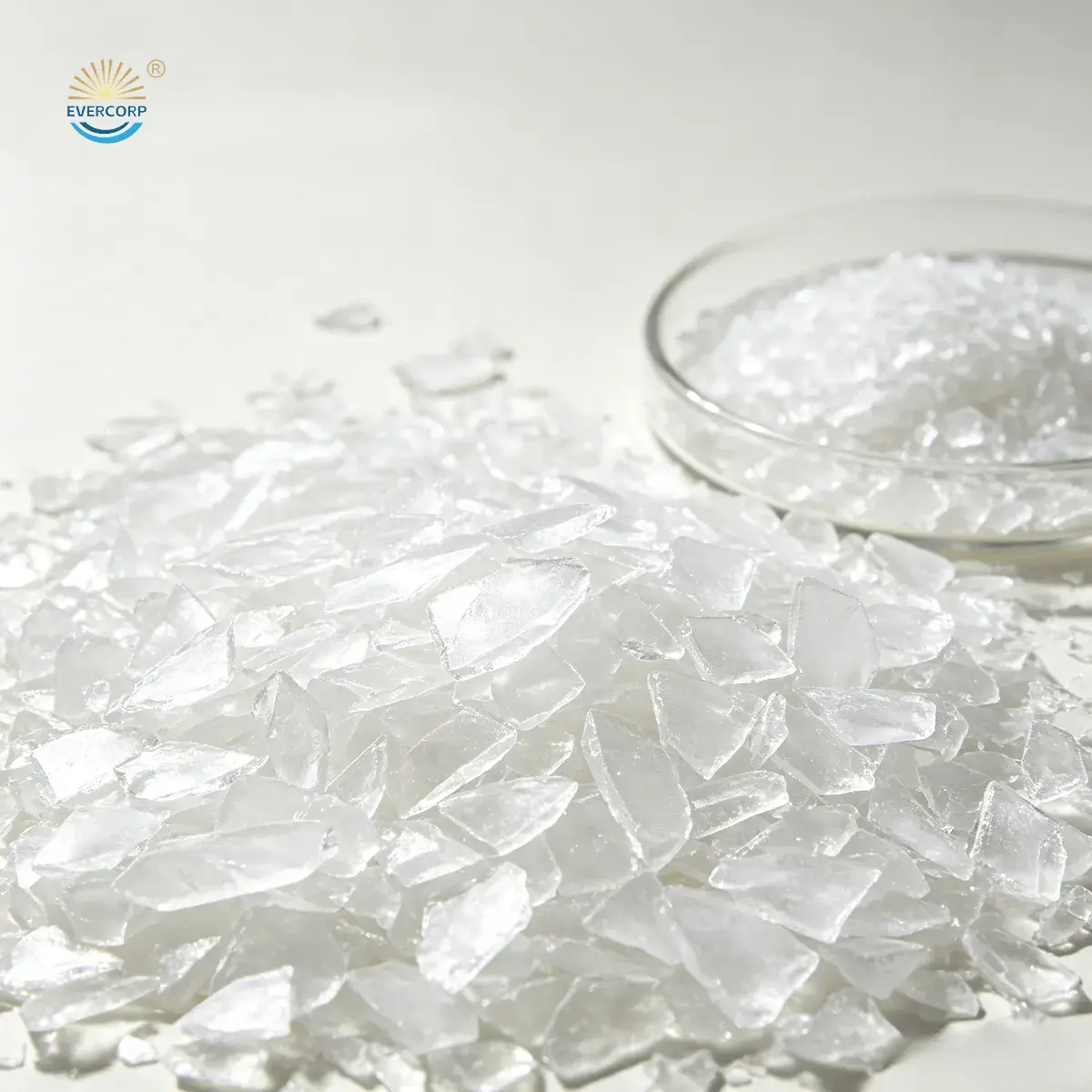
VPEG 2400 is a special vinyl polyoxyethylene ether that was made just for making polycarboxylate ether superplasticizers. The monomer comes in the form of off-white to white flakes that are more than 98% solid. This makes them easier to store and work with than liquid alternatives. Its chemical structure is made up of a reactive vinyl group and a hydrophilic polyethylene glycol backbone that is about 2400 g/mol long. This gives it the best steric hindrance for stopping cement particles from spreading.
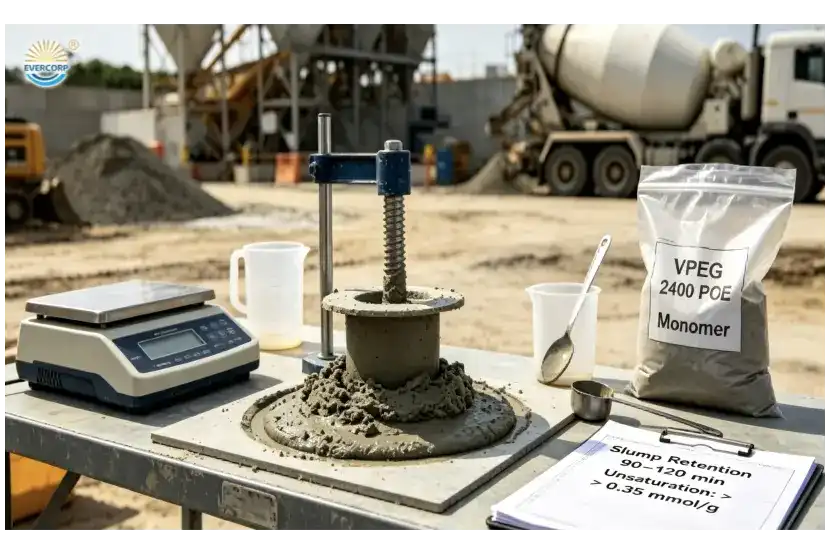
The hydroxyl value is between 22 and 28 mg KOH/g, which means that the ethoxylation process is managed and the polymerization reaction and water solubility are both balanced. This monomer has an iodine value above 8.5 g I₂/100g and an unsaturation value above 0.35 mmol/g. This makes sure that there are high conversion rates during radical polymerization and few unreacted residuals that could slow down the setting time of concrete.
(2). Safety and Environmental Compliance
Standard chemical safety rules must be followed when working with this polyether monomer. A 5% water solution has a pH between 5.0 and 7.0, which makes it less likely that stainless steel polymerization reactors will rust. VPEG 2400 is not made from formaldehyde, so it is a green chemical option that meets the requirements for REACH, KOSHER, and Halal Certifications, which make foreign trade easier.
When it comes to the environment, PCE made from this monomer is better at breaking down than plasticizers made from naphthalene. Low-VOC profiles help construction projects that want to get LEED approval. This supports companies' ESG goals and meets strict rules in North America, Europe, and the Middle East.
(3). Storage and Shelf Life
With the right storage, a product can last longer than 12 months. Flakes should be kept in sealed containers below 35°C in a dry, well-ventilated place out of direct sunlight. Taking in moisture can cause premature hydrolysis, which lowers the number of double bonds that are available. Our three regional facilities can hold up to 5,000 tons of inventory, so we can always have what you need, even during busy construction seasons or longer shipping times to coastal markets.
- How Does VPEG 2400 PCE Monomer Improve Concrete Performance?
(1). Cement Particle Dispersion Mechanism
The PCE that is made when you polymerize Vpeg 2400 Pce Monomer For Concrete with acrylic acid and other comonomers has a molecular structure that looks like a comb. The polyacrylate backbone sticks to the surfaces of the cement particles through carboxyl groups, and the long polyether side chains go into the water phase. This arrangement of space creates electrostatic repulsion and steric hindrance, which stop particles from sticking together during hydration.
Using high-sulfate Portland cements (SO₃ = 4.2%) in tests shows that VPEG-based PCE keeps its shape 40% longer than HPEG alternatives. Sulfate ions usually mess up the performance of admixtures by making ettringite crystals. But the molecular structure of the monomer makes it more resistant to this influence by making it more stable when it adsorps.
(2). Durability and Shrinkage Control
When this monomer is used to make PCE, it lowers the water-cement ratio in concrete mixes without making them harder to work with. At 0.15–0.3% by weight of cement (solid content basis), it leads to a 35–40% drop in water, which means that at 28 days, the compressive strength has gone up by 15–20 MPa. Less porosity makes it stronger against freeze-thaw cycles, chloride entry, and alkali-silica reactions, all of which are important for coastal buildings and bridge decks.
The admixture also stops high-performance concrete from shrinking on its own. By increasing the initial packing density of the particles, it limits the development of internal stress during early hydration. This stops cracks from forming in large pours like dam spillways or industrial floor slabs.
(3). Practical Application Guidelines
The best dose depends on the type of cement and the temperature and humidity in the area. For ready-mix Applications, trials usually begin at 0.15 to 0.25% solid PCE content by cement mass. The amount is then changed based on the desired slump (180 to 220 mm). When working with precast concrete that needs to gain strength quickly, mix VPEG-based PCE with calcium nitrate accelerators in specific amounts to get 24-hour demolding without affecting the long-term durability.
Mixing methods has a big effect on results. To get the best dispersion, add PCE after the first 30 to 60 seconds of cement-water contact. Do not add too much beyond the saturation points, as this can lead to segregation or slowdown in hot weather concreting above 30°C.
- Comparing VPEG 2400 with Other Concrete Monomers and Additives
(1). VPEG vs. HPEG: Technical Performance
Traditional HPEG (methallyl alcohol polyoxyethylene ether) needs high temperatures (55–65°C) to polymerize and can't handle a lot of sulfates. The vinyl end of VPEG 2400 makes it 3–5 times more reactive, which lets synthesis happen at 35–45°C with less initiator use. This thermal advantage means that 30–40% less energy is used for each batch of production, which is a big benefit when the annual output goes from 10,000 tons to 50,000 tons.
Field comparisons in Middle Eastern markets show that HPEG-based PCE loses 45% of its efficiency when SO₃ levels rise above 3.8%. To get it back to working properly, expensive AMPS copolymers are needed. VPEG-based formulas, such as Vpeg 2400 Pce Monomer For Concrete, keep their 92% dispersion ability under the same conditions, so they don't need any extra ingredients and can cut formulation costs by 10–15%.
(2). Economic Considerations and ROI
Total cost study favors the improved monomer, even though VPEG 2400 costs 10–15% more than HPEG. The cost of raw materials goes down when AMPS are taken out, and utility bills go down when synthesis temperatures are lowered. Fewer batch rejects increase production productivity, and faster polymerization cycles make better use of assets.
A medium-sized admixture maker that processes 20,000 tons of material a year said that switching to VPEG paid for itself in less than 18 months. Consistency in quality cut customer complaints by 60%, which strengthened long-term contracts with ready-mix providers that work on building projects in six states.
(3). Material Compatibility and Supplier Credibility
Procurement teams should check more than just technology datasheets to see what a provider can do. ISO 9001 certification makes sure that the consistency of each batch is the same. EverStar Group has factories in Southern, Eastern, and Northern China. These factories are close to major ports, which cuts down on logistics costs and allows for standard delivery in 3 days, which is very important for managing just-in-time inventory systems.
Third-party testing by SGS and Intertek backs up our claims about our double bond retention, which gives Fortune 500 clients the traceability they need. This openness makes switching from well-known HPEG sources to next-generation monomers more secure.
- Procurement Guide for VPEG 2400 PCE Monomer
(1). Sourcing Channels and Quality Certifications
To find trustworthy vinyl polyether providers, you need to carefully look at their quality control and production integration systems. Trading companies don't have as much control over the purity of the raw materials and the process parameters as fully integrated manufacturers do. This means that there is less chance of contamination from leftover catalysts or oligomers. To avoid cross-contamination, make sure that companies have different lines for making polyethers from lines used for other chemical processes.
Certifications are the first step in the screening process. REACH registration confirms entry to the European market, and FDA compliance supports the possibility of dual use for some PCE derivatives in food-Contact Uses. Getting halal and kosher licenses makes it easier to sell to customers in the Middle East and who follow kosher rules. This lets you get more customers without having to change the recipe.
(2). Pricing Structures and Negotiation Strategies
Minimum order quantities usually begin at 5 tons, which strikes a balance between the logistics of the supplier and the costs of the buyer's inventory. When commitments reach 50 tons, volume tiers often lower unit prices by 8–12%. Above 200 tons per year, they drop by 15–20%. But the lowest price doesn't always mean the best value. You need to think about things like the availability of technical support, the ability to provide samples for local cement testing, and the dependability of the supply chain.
Your payment terms for Vpeg 2400 Pce Monomer For Concrete can be as short as 60 days for new customers or as long as you have been a client for a while. Letters of credit are used to protect international deals worth more than $100,000. They lower the risk of currency fluctuations and make sure that international trade rules are followed.
(3). Logistics and Supply Chain Management
Shipping times depend on where the package is going. Ships bring goods from China to the United States. Gulf Coast ports takes between 28 and 35 days on average, but air freight can restock quickly within 5 to 7 days for a higher fee. EverStar Group's 5,000-ton inventory buffer keeps production going even when competitors run out of stock during North America's peak construction seasons, from April to October.
To follow customs rules, you need to have accurate HS code classification (2909.49 for polyether monomers) and the right paperwork, like certificates of origin, commercial invoices, and material safety data sheets. Working with providers who know how to handle export paperwork makes clearance faster and easier, which saves money on demurrage fees and project delays.
- Customer Support, Technical Assistance, and Case Studies
(1). Comprehensive Technical Services
To switch to VPEG 2400, you need to do more than just replace one ingredient. The whole process needs to be optimized. Our multilingual expert team is available 24 hours a day, seven days a week by phone, email, and videoconferencing to help with polymerization problems, dosage estimates, and tests for compatibility with local cement brands. We offer free samples weighing 5 to 10 kg for lab tests, so customers can check how well it works with their own aggregates and mix designs before placing bulk orders.
On-site training programs teach how to control the temperature of the reactor, choose the right initiator, and do quality control tasks like testing for double bond retention with bromination. Formulation development times drop from 6 months to 8–12 weeks because of these events. This speeds up the time it takes for new PCE products made for high-sulfate coastal cements to hit the market.
(2). Real-World Implementation Success
When using local volcanic ash cements with 4.1% SO₀, a precast manufacturer in a tropical coastal region had to deal with constant slump loss. When they switched to VPEG 2400-based PCE, they kept the 200 mm slump for 90 minutes at 32°C, which was enough for trucks to get to building sites on remote islands. Mold change rates went up by 35%, and expensive grinding processes were no longer needed because of better surface finish quality. This saved $180,000 a year.
Our monomer was used by an infrastructure contractor in the Middle East to make self-compacting concrete for a 450-meter bridge project. Dense rebar congestion needed more than 600 mm of spread without segregation. The VPEG-based mixture met these needs and reached 60 MPa compression strength after 28 days, which led to a $12 million deal for a second bridge phase.
(3). Future Innovations in Polyether Technology
Researchers are still looking into how to make molecular weight changes between 1800 and 3000 g/mol work best for 3D printing and ultra-high-performance concrete (UHPC). We're looking into grafting ratios that make clay more tolerable in places where washing aggregate isn't cost-effective. This will make VPEG even more useful in a wider range of markets. Our 5% yearly R&D investment, which is more than the average for the industry, makes sure that our customers can get cutting-edge solutions that are in line with changing building methods and environmental standards.
- Conclusion
Vpeg 2400 Pce Monomer For Concrete solves important problems that regular HPEG monomers can't, like keeping the dispersion performance in high-sulfate cements, lowering the amount of energy needed for polymerization, and making sure that batch quality stays the same across different cement sources. It has a history of reliability in tough environments, from deserts in the Middle East to coastal projects in Southeast Asia. This is something that procurement workers and technical leaders look for. When you work with integrated manufacturers that have a large inventory, a lot of certifications, and quick technical support, you get a competitive edge when making next-generation superplasticizers that meet strict performance standards while keeping formulation costs low.
- FAQ
(1). What dosage of VPEG 2400 achieves optimal PCE performance?
When polymerization formulas are made, they usually use VPEG 2400 at a 40–60% molar ratio to acrylic acid, based on how much water they want to remove and how much slump they want to keep. Higher VPEG ratios make it easier to work with, but they may make setting times a little longer.
(2). How does VPEG 2400 compare to naphthalene sulfonates?
PCE made from this monomer can reduce water by 25–30%, while naphthalene-based plasticizers can only do 15–20%. It also works well with other cementitious materials like fly ash and slag and doesn't lose its usefulness when used in smaller amounts.
(3). What storage conditions prevent quality degradation?
Keep flakes in sealed containers below 35°C in places that control humidity. Moisture or heat above 40°C for a long time can weaken the double bond, which makes polymerization less effective. If you store it right, it will last for 12 to 18 months.
(4). Can VPEG 2400 be used with air-entraining agents?
Yes, PCE made from this monomer works well with most products that remove foam and move air around. Do tests in the lab to find the best dosages. Some mixes may need small changes to get the target air content (4–7%) in freeze-thaw resistant concrete.
- Partner with a Trusted VPEG 2400 Pce Monomer For Concrete Supplier
With factory-direct access to high-quality vinyl polyether monomers, EverStar Group is ready to help you make the switch to making sulfate-resistant superplasticizers. Our ISO-certified quality systems, 14 years of manufacturing experience, and 5,000-ton warehouse capacity make sure that you get consistent materials and full expert support. Whether you're making formulas for high-rise pumping concrete, precast parts, or large-scale infrastructure, our bilingual team is available 24 hours a day, seven days a week to help. We also offer free sample testing and formulas that are specifically made for the cement in your area. You can get detailed datasheets, certificates of analysis, and a custom quote by emailing us at info@cneverstar.com or going to cneverstar.com. Find out why top admixture makers in more than 50 countries choose EverStar Group as their top Vpeg 2400 Pce Monomer For Concrete supplier for quality and speedy service.
- References
1. Taylor, H.F.W. (1997). Cement Chemistry, 2nd Edition. Thomas Telford Publishing, London.
VPEG 2400 Polyether Monomer Explained: Properties, Applications and Benefits
* Understanding VPEG 2400 polyether monomers reveals how advanced chemical engineering solves persistent production challenges in concrete admixture manufacturing. This vinyl-terminated polyoxyethylene ether functions as a critical macro-monomer in synthesizing third-generation polycarboxylate superplasticizers, addressing supply chain vulnerabilities that cause production line shutdowns. When raw material batch inconsistency disrupts PCE performance, procurement managers face costly downtime—sometimes stretching across three production days. This guide examines technical specifications, industrial Applications, and strategic sourcing considerations that enable large-scale manufacturers to build resilient dual-supplier systems while maintaining stringent quality parameters throughout high-volume operations.
- Understanding VPEG 2400 Polyether Monomer: Composition and Properties
(1). What Makes This Macro-Monomer Different?
A special kind of chemical called vinyl-terminated polyethylene glycol ether has a molecular weight of about 2400 g/mol and is used for carefully controlling polymerization processes. The last vinyl group makes copolymerization with acrylic acid compounds possible. This is what current concrete superplasticizers are made of. This molecular structure makes long side chains that act as steric hindrances to keep cement particles from sticking together too soon while the mixture is being mixed.
Advanced ethoxylation methods are used in manufacturing to get a precise spread of molecular weight. Tighter polydispersity indices directly lead to more predictable behavior of polymers during synthesis. When your technical team looks at samples, molecular weight ranges that are close together show that the manufacturing process was done well, which is strongly linked to PCE performance being the same across production batches.
(2). Critical Technical Specifications
The operational compatibility with existing production equipment is based on its physical characteristics. The flakes, which are white to off-white, dissolve easily in deionized water at room temperature, so you don't need any special heating systems. A solid content higher than 98% keeps exact stoichiometric ratios during polymerization by reducing the amount of water added to formulas.

Unsaturation values at or above 0.35 mmol/g show that there is a lot of double-bond retention, which has a direct effect on how well the graft works. When reactive groups stay together during storage and handling, polymerization conversion rates stay higher than the standards set by the industry. As a useful quality indicator, the iodine value—readings of 8.5 g I₂/100g or higher—mean that the vinyl's functionality has not been lost. It is compatible with normal PCE synthesis conditions as long as the hydroxyl value is between 22 and 28 mg KOH/g and the pH ranges from 5.0 to 7.0 in water. If the moisture level is less than 0.3%, hydrolysis processes that damage the structure of the vinyl group are stopped before polymerization starts.
(3). Storage and Handling Considerations
Chemical action is kept up throughout the supply chain by using the right storage methods. Specification parameters stay the same for twelve months in sealed containers kept below 35°C in low-humidity areas. Changes in temperature lead to physical caking and the slow breakdown of unstable double bonds by oxygen. As part of quality control procedures, the iodine value of stored goods should be checked every six months, especially for items kept in warmer areas.
The way materials are handled affects how well they are made. To get mother liquors with a concentration of 40–50% that can be used in synthesis reactors, flake products like VPEG 2400 Polyether Monomer only need to be stirred slightly in deionized water. When compared to monomers, which need to be heated up before they can be used, this makes the equipment simpler and uses less energy.
- Key Applications of VPEG 2400 Polyether Monomer
(1). High-Performance Concrete Infrastructure
When working on big building tasks, you need materials that are very strong and will last for a long time. To build high-speed rail systems, bridges, and tunnel linings, you need C60–C80 grade concrete that doesn't shrink much and lasts for decades. Polycarboxylate superplasticizers made from vinyl-capped polyethylene glycol ethers help get rid of water and spread out particles so that these performance goals can be met.
The side-chain length that creates the best steric repulsion between cement particles is around 2400, which is the molecular weight. This mechanism keeps the paste's fluidity even when the water-to-cement ratio is low, making microstructures that are denser and less permeable. When long-term durability is required by infrastructure specs, the chemical architecture generated from this monomer type always meets the strict requirements that govern large public works projects in a number of different countries.
(2). Ready-Mix Operations in Challenging Climates
Standard admixtures aren't good enough to fix the problems that come up with hot-weather concreting. When cement quickly dries and loses its workability before placement and finishing are finished, this is called flash setting. When temperatures rise, it's important to keep slump retention for a longer time to keep up productivity. However, later setting times cause scheduling problems further down the line.
The unique way that vinyl polyethylene glycol ethers are used to make polycarboxylates solves this technical problem. Formulations stay workable for up to three hours while keeping their normal setting properties, which lets operations go on even during times of high temperature. Ready-mix manufacturers that sell their products in warm climates can keep their delivery dates without lowering the quality of the mix or slowing down its early strength development. This level of uniformity in performance saves profit margins by lowering the number of rejected concrete samples and the number of delays on the job site caused by missing materials.
(3). Precast Manufacturing Efficiency
Architectural precast operations have to balance the needs for a high-quality finish on the outside, quick strength gain, and high production output. Steam curing speeds up the development of strength, but it uses a lot of energy and makes the time between mold reuses longer. Superplasticizers that allow for higher early strength at room temperature have big benefits in the workplace.
Parts made with PCEs from this group of monomers reach their target demolding strengths faster, which means they don't need to be heated to cure. When you save energy, you directly lower the cost of making one unit. Speeding up the mold turnover increases the daily output of equipment that has already been bought. Surface finish improvements lower the number of rework and rejections for architectural parts that are accepted based on how they look. All of these benefits work together to make precast businesses that serve both commodity and high-value specialty markets more competitive.
- Comparing VPEG 2400 With Alternative Polyether Monomers
(1). Molecular Weight Effects on Performance
Polyethylene glycol ethers come in a range of molecular weights, and each one affects the way concrete works in different ways. PCEs with lower molecular weights, around 1200–1500 g/mol, have better initial diffusion but worse slump retention. When molecular weights get close to 3500 g/mol, the balance shifts toward longer workability, but water reduction efficiency may go down.
The molecular weight range of 2400, as in VPEG 2400 Polyether Monomer, is the best balance for high-performance general-purpose uses. This specification gives equal performance in dispersion power and slump retention duration, which are the two factors that purchasing managers look at very closely when choosing between different suppliers. This flexibility is appreciated by production teams working with different cement sources in different plant locations because it means they don't have to make as many changes to the recipe when the features of the raw materials change.
(2). Vinyl Functionality Versus Allyl Alternatives
The chemistry of the terminal group affects how polymers react during polymerization and how the final polymer is built. Vinyl-terminated monomers easily copolymerize with acrylic monomers through free radicals, creating clear comb-shaped polymer structures. Alternatives to allyl ether react more slowly and can cause branches or cross-linking, which hurts the performance of dispersion. Vinyl termination has clear benefits when synthesis efficiency and product consistency are important, especially for big production numbers where small changes in yield save a lot of money.
(3). Polypropylene Glycol Considerations
Some mixtures use polypropylene oxide segments to change how hydrophobic the polymer is and how well it works with cement. These mixed structures solve certain technical problems, like how clay reacts in contaminated aggregates. Standard vinyl polyethylene glycol ethers work great in everyday situations where the quality of the gravel stays the same and the amount of sulfate stays within normal limits. Whether to use pure polyethylene oxide backbones or mixed oxide structures depends on the properties of the local raw material and the needs of the target market.
- Procurement and Supply Chain Insights for VPEG 2400
(1). Supplier Evaluation Criteria
Beyond just comparing prices, finding manufacturers that can handle large-scale PCE production needs a lot of careful consideration. The first important factor is production capacity. Annual output amounts above 50,000 tons show that the business is well-established and has a strong industrial infrastructure. On-site inventory levels show how committed suppliers are to keeping supplies going. Suppliers who keep more than 5,000 tons of stock on hand can handle changes in demand without putting customers in situations where they have to allocate stock when the market is tight.

Logistics costs and lead times are affected by where a factory is located. Having multiple production sites close to major ports gives you geographic freedom that comes in handy when regional supply lines get messed up. By going straight to the factory instead of going through traders, you can avoid margin stacking, which drives up landed costs by 20 to 40 percent. Verification needs more than just claims of "factory-direct" sourcing. It also needs documentation of plant visits, third-party capacity audits, and clear disclosure of manufacturing locations.
Certification files show that you are dedicated to quality systems and following the rules. Getting ISO 9001 certification sets the standards for quality management. REACH registration lets goods be sold in European markets. Additional Certifications that cover environmental management, safety systems, and product-specific standards show that the business is operationally mature, which is linked to dependable long-term supply relationships.
(2). Building Dual-Supplier Resilience
Dependence on a single source creates huge risks when supplies go down. Even three days of shutting down a production line costs a lot of money and cancels out any short-term saves from consolidated buying. Strategic sourcing methods consciously find qualified backup suppliers, usually giving 25 to 35 percent of the volume to these sources. With this arrangement, busy ties with other suppliers are kept up, and the main supplier's benefits from volume agreements are kept.
For new providers, the qualification process takes three to five months, which includes validating samples, doing practice production, and making sure the product is stable. Instead of waiting for supply problems to force hasty decisions on bad terms, procurement managers in charge of large operations start these processes ahead of time. Putting money into methodical qualification pays off when the market gets tight or when current suppliers have trouble making things.
(3). Pricing and Contract Structures
The prices of propylene oxide feedstock and differences in supply and demand across regions cause polyether monomer markets to go through cycles of instability. Long-term fixed prices rarely work out over the course of an annual contract. More realistic methods use price reviews every three months that are linked to clear index formulas that account for changes in the cost of raw materials while keeping conversion margins that are fair.
Structures for volume commitments balance the needs of buyers who want to be sure of supply with the needs of suppliers who need to plan their capacity. Minimum buy responsibilities set a basic level of use that supports setting aside specific supplies and planning production schedules. Adjustments to demand can be made within certain ranges, which lets businesses deal with normal changes in demand without violating penalty agreements or allocation rules.
The rules of payment show how much money each person has and how mature the relationship is. Customers who have been with the company for a while and have good credit can negotiate longer terms that make better use of working capital when purchasing VPEG 2400 Polyether Monomer. When two people start a new relationship, they usually start with more strict terms that change as time goes on and both sides prove they can be trusted. When yearly purchases are in the millions of dollars and differences in payment terms can affect cash flow by weeks or months, these business issues become very important.
- Benefits of Integrating VPEG 2400 Into Your Industrial Processes
(1). Operational Performance Improvements
When the quality of the raw materials gets better, manufacturing efficiency goes up in a number of ways. Consistent double-bond retention rates above 96% allow for predictable polymerization conversion, which lowers batch variability and prevents production that doesn't meet specifications. When the target parameters are met by every synthesis run without any changes, production planning is more reliable and more capacity is used.
Simplifying a process lowers the amount of energy and tools that is needed. When you use monomers that dissolve completely at room temperature, you don't need heating systems or the money, time, and energy they use. Lower solution viscosities make mixing and pumping more efficient. Even though these seem like small operational details, they add up to big cost savings in high-volume production environments that work three shifts a year.
Stable final product performance keeps customers happy and protects the brand's image. When concrete makers who use your PCE formulations get uniform performance on the job site, no matter what batch they use, the number of complaints goes down and contract renewals go smoothly. Quality consistency sets you apart from competitors and supports premium pricing strategies instead of price-based competition that turns everything into a commodity.
(2). Supply Chain Risk Mitigation
Geographical distribution of manufacturing makes it more resistant to problems in certain regions. When problems arise in one area, suppliers with production sites in more than one place, whether they are in the same country or in different countries, can change the supply chain. Transportation strikes, bad weather, government acts, and other unplanned problems can affect certain areas without necessarily affecting the general ability to supply.
When suppliers keep a lot of inventory on hand, it protects against sudden increases in demand and production problems. Maintaining 5,000 tons of stock gives even big PCE makers several weeks of consumption, giving them wiggle room in case of unexpected delays. This investment in inventory shows that the supplier is committed to helping customers in more ways than what trading middlemen usually do with hand-to-mouth buying.
(3). Regulatory Compliance and Sustainability Alignment
International rules on chemicals are having a bigger impact on choices made in the supply chain. Registration under REACH allows unlimited access to the EU market, while different national chemical inventory lists determine which countries allow imports. Maintaining complete regulatory compliance portfolios by suppliers lowers the administrative burdens on customers and gets rid of market entry hurdles that could stop plans to expand to new areas.
As sustainability reporting gets better, measures for environmental success become more important in how companies buy things. Customers' ESG goals are met by suppliers who show measurable carbon reduction targets, improvements in energy efficiency, and certifications for their environmental management systems. These things play a role in choosing a supplier, especially for global businesses and publicly traded companies that have to deal with stakeholders looking closely at their supply chain sustainability practices.
- Conclusion
Vinyl polyethylene glycol ether monomers, such as VPEG 2400 Polyether Monomer, which have molecular weights close to 2400, are the building blocks of current concrete additive production. Specifications like levels of unsaturation, molecular weight distribution, and physical shape have a direct effect on how well the synthesis works and how well the final product works. Cost optimization and supply chain robustness are both important parts of strategic buying. This is because catastrophic single-source dependencies create risks that are much greater than possible savings. Building qualified dual-supplier systems through organized qualification processes and methodical evaluations maintains production continuity and keeps you competitive by allowing you to choose where to do business and making sure that the terms of the deal are fair.
- FAQ
(1). How does molecular weight influence concrete performance outcomes?
The 2400 g/mol specification makes side chains long enough for steric repulsion to work, but not so thick that they cause too much polymer viscosity, which can make it hard for cement particles to spread out. This balanced approach improves both the ability to reduce water and the length of time that the slump stays in place for most concrete mix designs and placement conditions.
(2). What storage conditions prevent quality degradation during warehousing?
Controlling the temperature below 35°C in sealed containers in low-humidity areas keeps chemicals working for twelve months. Testing the reactive group retention on a regular basis by measuring the iodine value confirms that it is still good after long storage times, especially in places with warm climates.
(3). Can this monomer type perform in clay-contaminated aggregate conditions?
Standard formulas work best when the particles are clean. In situations where there is a lot of clay contamination, modified polymer architectures that include certain co-monomers during synthesis may be helpful. Technical advice about the properties of local raw materials helps figure out the best ways to formulate in tough situations.
(4). What distinguishes genuine manufacturers from trading intermediaries?
Verifiable evidence of output capacity, on-site inventory management, a presence in multiple geographic locations, and a full portfolio of certifications all point to real manufacturing operations. The claimed manufacturing capabilities are backed up by plant visits, third-party capacity audits, and clear information about where the products are made.
- Partner With a Reliable VPEG 2400 Polyether Monomer Supplier
EverStar Group makes high-purity vinyl-terminated polyethylene glycol ethers straight from three strategically placed factories. They keep over 5,000 tons of these chemicals in stock to support your PCE synthesis operations. Our yearly capacity of 50,000 tons and 14 years of experience making chemicals give us the group stability needed for making admixtures on a large scale. We offer complete certifications, including ISO 9001, REACH, and many other international standards, as well as unsaturation levels that are always above 0.35 mmol/g and double-bond retention levels that are higher than 96%. Our technical specifications and supply reliability ensure that production doesn't stop. Standard products are sent out within three days, and our technical team provides support in multiple languages and provides free sample programs that can be used to test with your own synthesis protocols. Talk to info@cneverstar.com or go to cneverstar.com to talk about your buying needs and find out how factory-direct prices can save you 20–40% on costs while giving your operations the dual-supplier reliability they need.
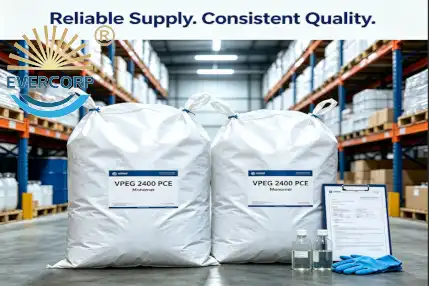
How VPEG 2400 PCE Monomer Improves Concrete Dispersion?
* When you face inconsistent slump retention and unpredictable concrete behavior, especially in high-sulfate environments exceeding 3.5% SO₃, the solution lies in advanced polyether monomer chemistry. VPEG 2400 Pce Monomer For Concrete delivers superior concrete dispersion by stabilizing cement particle distribution through its unique molecular architecture—approximately 2400 g/mol with ≥96% double bond retention. This vinyl-terminated polyoxyethylene ether enables PCE superplasticizers to maintain over 90% dispersion efficiency where traditional HPEG-based alternatives falter, directly addressing the workability collapse that disrupts your production schedules and increases customer complaints.
- Introduction
Dispersion of concrete is still the key to making it easy to work with, building strength, and making sure it lasts for a long time in modern construction. As the need for infrastructure around the world grows and cement formulas change from place to place, polycarboxylate ether superplasticizers made from high-performance monomers are becoming more and more important. This guide talks about how vinyl polyoxyethylene glycol ether with a molecular weight of 2400 changes the way concrete works for procurement managers, R&D engineers, and technical directors who have to deal with complicated supply chains. We look at chemical properties, how they work, comparing benefits, and buying tactics that can help you get the best formulations, lower costs, and build strong supply partnerships. Knowing these technical facts can help you choose the right raw materials, which can give you a competitive edge whether you're in charge of high-rise projects near the coast or precast operations in places with changing weather.
- Understanding VPEG 2400 PCE Monomer and Its Chemical Properties
(1). Molecular Architecture and Reactive Functionality
Making a polycarboxylate superplasticizer requires careful monomer chemistry. The vinyl-terminated polyether looks like white to off-white flake and has a molecular weight of about 2400 g/mol. Its structure includes a reactive vinyl group that is needed for radical copolymerization and a hydrophilic polyethylene oxide chain that stops the cement from spreading by blocking steric flow. The iodine value (≥8.5 g I₂/100g) and unsaturation value (≥0.35 mmol/g) show that volatile double bonds are present, which is necessary for the chain to grow. With a hydroxyl value of 22 to 28 mg KOH/g, this monomer is a good balance between reactivity and stability. It also allows polymerization to happen at lower temperatures (35 to 45°C) than usual options, which need 55 to 65°C.

The high solid content (more than 98%) makes sure that moisture doesn't get in the way of storage or polymerization. Stable pH between 5.0 and 7.0 in a 5% water solution stops hydrolysis before it happens and works with most starter systems. This polyether monomer family is known around the world for its superplasticizer uses and has the CAS number 31497-33-3.
(2). Safety and Environmental Profile
Today's construction chemistry needs long-lasting answers. This polyether monomer doesn't have any heavy metals, formaldehyde, or volatile organic compounds that could be harmful to the environment or workers. The white flake form is easier to handle than liquid forms, which lowers the risk of spills and makes storage easier. When mixed into PCE, the mixture meets the standards for LEED approval and helps with carbon reduction efforts—EverStar Group wants to cut carbon emissions by 30% by 2030. Proper storage below 35°C in well-ventilated places keeps the stability of the double bond, which makes sure that the polymerization process works the same way every time.
- How Does VPEG 2400 PCE Monomer Enhance Concrete Dispersion?
(1). Overcoming Traditional Dispersant Limitations
Modern low water-to-cement ratios and long transportation times make it hard for traditional naphthalene-based or lignosulfonate plasticizers to work. When the cement SO₃ content changes, the concrete mixes lose their slump quickly, separate, and set in ways that are hard to predict. When there is a lot of sulfate in the air (SO₃ >3.5%), traditional HPEG-based PCE monomers don't work as well, so they need to be changed with expensive secondary additives like AMPS copolymers. Vpeg 2400 Pce Monomer For Concrete's temperature sensitivity makes cold-weather Applications even more difficult because higher viscosities make it hard for particles to spread out properly.
When factories get cement from more than one source, they have to keep changing the recipe because the pH, sulfate levels, and fineness all change. This variation leads to complaints from customers, batches being thrown away, and more work for quality control. You need a monomer system that works well with a wide range of cement chemistries without having to change the formula.
(2). Advanced Dispersion Mechanisms
This polyether monomer gives rise to polycarboxylate superplasticizers, which work in two ways: electrostatic repulsion and steric hindrance. As the cement hardens, the carboxylic acid groups on the PCE backbone stick to the positively charged cement particles and make negative surface charges that push other particles away. At the same time, the long polyethylene oxide side chains (which come from the 2400 g/mol monomer) reach into the water phase and physically stop particles from sticking together by repelling them.
A molecular weight of 2400 g/mol strikes the perfect balance between having enough chain length for effective steric stabilization and too much viscosity buildup. The high double bond retention (≥96%) makes sure that all monomers are incorporated during copolymerization with acrylic acid. This gets rid of any polyethylene glycol that hasn't been reacting, which could slow down the setting of the concrete. With this design, the cement particles stay separate even as the ionic strength rises due to the breakdown of sulfate. This means that the flexibility lasts for 90–120 minutes instead of 30–45 minutes with other systems.
(3). Application Methods and Dosage Guidelines
To get a 200-250 mm slump in standard C30–C50 concrete mixes, PCE made from this monomer usually needs 0.15–0.30% of the cement weight to be added. For high-strength uses (C60–C80), the dose can be raised to 0.40% without any risks of segregation. The reactive nature of the monomer lets polymerization happen at 35–45°C using standard redox initiator systems (sodium persulfate/sodium bisulfite), which uses 30–40% less energy than HPEG-based processes that need 55–65°C.
Once polymerization is done, the PCE liquid that is left over (usually 30–40% solids) can be added straight to devices that mix concrete. The sulfate-adaptive chemistry keeps the dispersion performance the same for all types of cement, from regular Portland cement to sulfate-resistant blends. This means that when sourcing cement locally, there is no need to make changes to the formulation based on the location. This tolerance goes up to aggregates with up to 2% clay fines, which is a common problem in coastal quarries and makes traditional PCE systems work much less well.
- Comparison and Decision Support: VPEG 2400 PCE Monomer Versus Other Concrete Additives
(1). Performance Advantages Over Acrylic and Alternative Monomers
When you compare polyether molecules, you can see important differences in how well they work. Standard acrylic-based dispersants don't have the long hydrophilic chains needed for effective steric hindrance. Instead, they rely on electrostatic resistance, which doesn't work well in places with a lot of ions. HPEG (methallyl alcohol polyoxyethylene ether) monomers are commonly used, but they are less reactive and need higher temperatures to polymerize, which makes the process more expensive. Because they can't handle sulfates very well, they need to be mixed with an expensive copolymer called AMPS (2-acrylamido-2-methylpropanesulfonic acid), which raises the cost of the formulation by 10–15 percent.
The vinyl-terminated system of Vpeg 2400 Pce Monomer For Concrete is 3–5 times more reactive during radical polymerization, which lets the whole process happen at lower temperatures. This reactivity leads to a PCE with a higher molecular weight and a wider molecular weight distribution. This gives both immediate dispersion and long-lasting slump retention. In the lab, PCE made from this monomer keeps 92% of its original fluidity after 90 minutes at 35°C, while HPEG-based versions only keep 65% of their fluidity under the same conditions.
(2). Molecular Weight Selection: 2400 Versus 1600 Variants
Polyether monomers come in a range of molecular weights, but the most common ones are 1600, 2000, and 2400 g/mol. The variant with a molecular weight of 2400 has longer polyethylene oxide chains that improve steric stabilization. This is especially helpful for high-performance and self-compacting concrete. The 1600 version hardens faster at first but keeps its slump less well over time. This makes it better for precast uses that need to turn over quickly but not so good for transporting ready-mix concrete over long distances.
The best molecular weight choice is directly affected by the amount of cement sulfate you use. When SO₃ levels rise above 3.5%, the longer chains of the 2400 version keep particles apart, even though the ionic strength goes up because the sulfate dissolves. This molecular weight range is very helpful for coastal areas with high-sulfate cements because it keeps the 200 mm slump for 90 to 120 minutes without the need for extra slump-retaining agents.
(3). Real-World Validation and Industry Adoption
This polyether monomer chemistry has led major concrete makers in the Middle East and Southeast Asia to switch to PCE systems. Infrastructure projects, like bridges with dense reinforcement and skyscrapers taller than 300 meters, have better pumpability and self-leveling properties. Due to faster early-strength development, precast makers say mold changeover is 15-20% faster. This doesn't affect the long-term compressive strength. These practical changes lead to measurable cost savings. For example, after moving from naphthalene-based admixtures, one major contractor in a high-temperature region saw 12% lower concrete placement costs over the course of a 24-month bridge project.
- Procurement Insights for VPEG 2400 PCE Monomer: Sourcing and Supply Chain Considerations
(1). Identifying Qualified Suppliers and Distribution Networks
When buying polyether monomers around the world, you have to carefully evaluate each supplier. To make sure the quality is good, it's important to buy from well-known companies that are ISO 9001 certified, REACH registered for European markets compliant for North American uses. EverStar Group has production facilities in the Southern, Eastern, and Northern regions that can make more than 50,000 tons of goods each year. This makes sure that there is a steady supply even when there are problems in one region. Our 5,000-ton inventory capacity covers the 4–6 week shipping times to markets in the Middle East and Southeast Asia, reducing the risk of running out of stock, which can throw off production schedules.
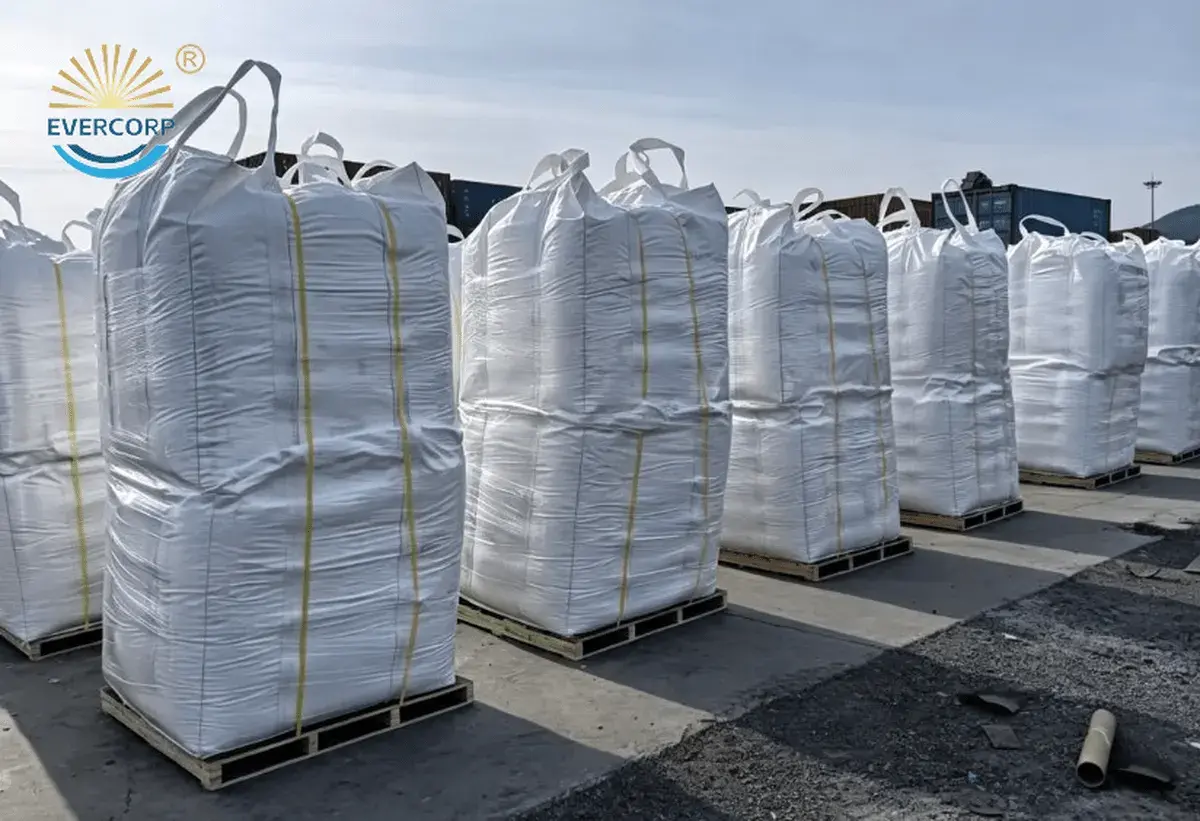
For standard specs, the smallest amount that can be ordered is usually 5 tons. For quarterly or yearly supply deals, bulk ocean freight choices are also possible. If you buy from the factory directly, you don't have to pay the markups that distributors do, so your costs are 20–40% lower than if you bought from a regional reseller. Being close to major ports makes operations easier and lowers the carbon emissions that come with interior traffic, which is something that businesses that want to get environmental approvals should think about.
(2). Quality Assurance Protocols and Testing Requirements
For procurement to work well, quality checks must go beyond supplier certificates of analysis. A few important testing factors are double bond retention (goal ≥96%), molecular weight distribution (confirming narrow polydispersity) through gel permeation chromatography, and hydroxyl value measurement by titration (confirming ethoxylation degree). Karl Fischer analysis shows that the moisture content must stay below 0.5% to keep the material from breaking down during storage and polymerization.
You should ask for 5–10 kg samples of Vpeg 2400 Pce Monomer For Concrete to try with your own cement sources before making big purchases. Compare the new monomer to your current material in side-by-side PCE polymerization trials. Measure the conversion efficiency, molecular weight distribution, and performance of the resulting concrete in standard slump retention and compressive strength tests. This process usually takes two to four weeks, but it keeps production from being interrupted by expensive problems caused by materials that aren't up to par.
(3). Pricing Dynamics and Total Cost of Ownership
Polyether monomer prices depend on the molecular weight, the amount that is made, and the balance between supply and demand in the region. Vinyl-terminated systems cost 10-15% more than regular HPEG monomers, but overall formulation costs often go down because expensive co-monomers like AMPS aren't needed and less energy is used for polymerization. Find the total cost of ownership, which includes the price of the monomer, the cost of energy used in the production process, the need for co-monomers, and the uniformity of the concrete's performance.
EverStar Group offers factory-direct prices and volume discounts for long-term contracts. Their prices are supported by clear cost structures and are adjusted every three months based on raw material prices. Our 99.5% on-time delivery record cuts down on the costs of keeping supplies and keeps production going, which are both important factors when looking at a supplier's value beyond unit price alone.
- Best Practices and Future Prospects of Using VPEG 2400 PCE Monomer in Concrete Applications
(1). Integration Into Existing Production Systems
Making small changes to the process is all it takes to switch to vinyl-terminated polyether monomers. Because it reacts more quickly, the polymerization temperatures need to be lower (35–45°C vs. 55–65°C), which means 30–40% less steam or heating oil is used. This change can be made to existing reactor systems without spending a lot of money, but it becomes more important to precisely control the temperature to keep reactions from going off the rails. To account for increased reactivity, initiator doses may need to be slightly lowered (usually by 10–15%). This means that small-scale optimization trials are needed before full-scale adoption.
The resulting PCE chemistry is very compatible with normal polycarboxylate structures, so it can still be used with current neutralization and dilution equipment. As part of quality control, double bond retention tests should be added to make sure that all monomers have been converted. This will stop the buildup of unreacted polyethylene glycol, which could cause the concrete to take longer to set. Using standard titration tools, this extra testing fits right in with how the lab already works.
(2). Regulatory Compliance and Safety Standards
The global market for Construction Chemicals needs a lot of different Certifications. Registering with REACH makes sure that you can sell your products in the European market, and following FDA rules helps concrete structures in food processing facilities. Certifications like Halal and Kosher let you sell your goods in the Middle East and other places. EverStar Group has a wide range of certifications, such as ISO 9001, and GCC standards. These are backed by third-party verification from SGS and Intertek. Our involvement in Responsible Care® and EcoVadis Silver grade shows that we care about protecting the environment and keeping workers safe.
Product documentation in multiple languages, such as Safety Data Sheets, Certificates of Analysis, and Technical Data Sheets, makes it easier to get goods through customs and follow local rules. On-site training for polymerization operators and concrete technicians makes sure that they handle materials safely and improves their performance. For global operations, we offer multilingual technical support 24 hours a day, seven days a week.
(3). Innovation Trajectory and Market Evolution
Polyether monomer chemistry is still being studied to find ways to make it last longer and work better. Next-generation versions use bio-based ethylene oxide precursors, which cut the amount of fossil carbon by up to 40% while keeping the same level of technical performance. Molecular engineering looks into branched designs that combine fast dispersion with long-term slump retention. This helps meet the needs of ultra-high-performance concrete systems that have to meet conflicting performance requirements.
Demand for sulfate-resistant admixture systems is rising because of big building projects in the Middle East and Asia. In order to adapt to climate change, concrete mixtures must stay workable in temperatures ranging from 45 to 50°C. This makes advanced polyether monomers important technologies. As performance standards get stricter and pressures to be more environmentally friendly grow, companies that invest in supplier partnerships and technical know-how now will have a competitive edge in the future.
- Conclusion
Understanding the chemistry of polyethers and how cement particles interact at the molecular level leads to better concrete dispersion. The optimized molecular weight, excellent reactivity, and proven sulfate tolerance of Vpeg 2400 Pce Monomer For Concrete make it ideal for use in high-sulfate settings, where cement quality can vary, and where placement conditions are very strict. Competitive advantages are guaranteed by procurement strategies that stress supplier dependability, thorough quality checks, and total cost analysis. As the need for infrastructure grows around the world and concerns about sustainability grow, working with qualified makers who can provide consistent quality, technical support, and a steady supply of goods turn into strategic assets instead of transactional relationships.
- FAQ
(1). What is the recommended dosage range for PCE synthesized from this monomer?
For standard C30–C50 concrete, the usual dosage ranges from 0.15 to 0.30% by cement weight, resulting in a 200–250 mm slump. For high-strength uses (C60–C80), you can use up to 0.40% without worrying about segregation. The best dosage relies on the type of cement, the qualities of the aggregate, and the workability traits that are wanted.
(2). How does this monomer perform with different cement types?
The sulfate-adaptive chemistry keeps more than 90% of the dispersion efficiency across regular Portland cement, sulfate-resistant blends, and high-alkali cements with more than 3.5% SO₃. This wide compatibility means that recipe changes don't have to be made when getting cement from more than one source.
(3). What storage conditions ensure monomer stability?
White flakes should be kept in sealed containers below 35°C, in a well-ventilated place out of direct sunlight. When stored correctly, double bond retention stays above 96% for 12 months. This makes sure that polymerization works consistently and stops clumping or degradation.
(4). Can this monomer work with air-entraining agents?
This polyether monomer can be used to make PCE, which works well with most defoaming and air-entraining products used in concrete. Before full-scale production, performance is checked by testing on a small scale to see how well it works with certain brands.
- Partner With EverStar Group for Reliable VPEG 2400 PCE Monomer Supply
EverStar Group is a reliable Vpeg 2400 Pce Monomer For Concrete supplier that has been in business for 14 years and offers full technical support. Our three strategically placed factories send more than 50,000 tons of goods to more than 50 countries every year. We keep 5,000 tons of stock on hand to make sure that we can keep supplying customers even if there are problems with logistics. We offer free 5–10 kg samples for pilot testing with your local cement, technical documentation in multiple languages, and engineering support 24 hours a day, seven days a week to help with formulation problems. With a 5-ton minimum order, factory-direct price saves you 20–40% over regional wholesalers, and our ISO 9001, REACH certifications make it easier for you to follow the rules. Get in touch with info@cneverstar.com right away to get technical data sheets, set up virtual tours of the factory, or talk about custom formulations that are best for your cement chemistry and climate. Visit cneverstar.com to see our full range of polyether monomers and learn how working with a vertically integrated company can improve the performance of your concrete and make your supply chain more reliable.
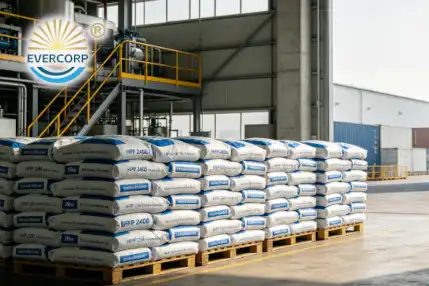
Complete Guide to HPEG 2400 Extended Slump Retention Monomer: Properties, Uses and Applications
* When your concrete loses workability during transport and arrives at the job site too stiff to place properly, you face costly delays, material waste, and frustrated clients. HPEG2400 Extended Slump Retention Monomer solves this critical challenge. This precision-engineered polyoxyethylene ether macromonomer with a molecular weight of 2400 g/mol extends slump retention to 180 minutes or longer, keeping concrete pumpable even in high-temperature environments exceeding 35°C. For PCE manufacturers and ready-mix producers operating in hot climates, this monomer delivers the extended workability you need without compromising final strength or requiring additional retarders that delay setting times.
- Understanding HPEG 2400 Extended Slump Retention Monomer
The science behind long-lasting slump retention starts with the structure of molecules. Methallyl alcohol and ethylene oxide are used in advanced alkoxylation technology to make this monomer. The length of its polyether side chains is what makes the 2400 molecular weight so useful. These longer chains cause stronger steric hindrance effects that stop cement particles from sticking together too quickly.
These long side chains stick to the cement particle surfaces when you add this monomer to your PCE mixtures, making a barrier in space. This barrier keeps particles spread out for a much longer time than alternatives with lower molecular weight. The way it works is very different from how traditional retarders work, which are chemicals that slow down hydration. Instead, this monomer keeps particles physically separate, which lets them hydrate in a controlled way while keeping their workability.
(1). Key Chemical Properties
The monomer looks like white to off-white flakes that are at least 98% solid. Its molecular weight of 2400 ±100 g/mol is just right for Applications that need long-term retention. A hydroxyl value of 22 to 28 mg KOH/g means the chain length is right, and a pH range of 5 to 7 keeps the substance stable during storage and polymerization. A double-bond holding of 95% or more ensures that copolymerization with acrylic acid works well during PCE synthesis. The moisture level stays below 0.2%, which stops premature hydrolysis that would hurt performance.
(2). Performance Advantages in Concrete Applications
When HPEG2400 Extended Slump Retention Monomer is used to make polycarboxylate superplasticizers, the concrete stays slumpy for more than three hours without needing to be dosed again. This extra workability comes in handy when traffic jams, long hauls, or complicated placement steps make it take longer than planned to pour. When temperatures rise above 35°C, normal PCE formulations quickly lose their effectiveness. But the monomer keeps working well even at those temperatures. The final development of compressive strength is still on track because the monomer doesn't change the hydration chemistry; it only changes when the particles interact with each other.
- Comparing HPEG2400 with Other Slump Retention Additives
Knowing how different monomers with different molecular weights work can help you choose the best solution for your needs. Comparing HPEG 2400 to other options, such as HPEG 2000 or traditional retarding additives, shows significant differences in how well they work and how much they cost.
(1). Molecular Weight Impact on Retention Duration
Monomers with a lower molecular weight, like HPEG 2000, do a good job of removing water and spreading out at first, but they tend to slump after 90 to 120 minutes. As the cement hardens, the shorter side chains make it easier for the particles to move closer to each other because they are less blocked by sterics. The longer chains in HPEG 2400 make this barrier stronger, which increases retention times to 180 minutes or more. This difference is very important for ready-mix manufacturers that sell to cities, where unpredictable traffic can make delivery times an hour or more longer.
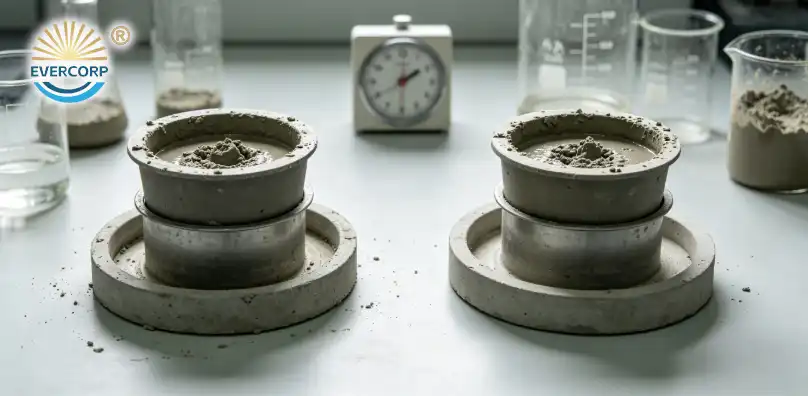
(2). Traditional Retarders vs. Molecular Design
Usually, retarding admixtures stick to the surface of cement and make protective films that slow down the hydration reactions. Even though these retarders work to make setting times longer, they often cause strength development to be too slow, especially in concrete operations or when it's cold outside. Using extended side chains in the molecular method keeps the workability without changing the hydration rates too much. Once it's in place, your concrete sets normally, but it stays fluid during the important transport and placement window.
- Application Methods and Best Practices for HPEG2400
To make implementation work, you need to pay attention to the synthesis factors and make sure they work well with your current PCE formulation methods. The monomer's performance depends on the right conditions for polymerization and the right dose based on the amount of cement and the environment.
(1). Synthesis Parameters for Optimal Performance
When HPEG2400 Extended Slump Retention Monomer is copolymerized with acrylic acid to make PCE superplasticizers, the molecular weight distribution in the finished polymer is stable as long as the reaction temperature stays between 60°C and 90°C. The molar ratio of the monomer to the acrylic acid is usually between 1:3 and 1:5, but this can change depending on how much water you want to remove and how much slump you want to keep. Chain transfer agents help manage the molecular weight of the polymer, which makes sure that the final PCE has the right rheological qualities. Keeping an eye on the pH during polymerization keeps the reaction fixed and makes the most of the double-bond conversion process.
(2). Dosage Recommendations for Different Concrete Grades
When this monomer is used to make standard concrete mixes with C30–C40 compressive strength goals, PCE amounts of 0.15–0.25% by cement weight are usually needed. Higher-grade concrete mixes, like C60–C80 mixes used in structures, may need up to 0.4% more cement, but it depends on the water-to-cement ratio and the initial slump that is wanted. Because it has longer retention, you can often cut down on or get rid of the need for secondary dosing on the job site. This makes quality control easier and lowers the cost of the materials.
(3). Integration with Other Admixtures
This monomer-based PCE works well with air-entraining agents, viscosity-changing admixtures, and shrinkage-reducing admixtures that are widely used in current concrete mixes. When using retarders to get very good workability, lower the amount of retarder used by 30 to 50 percent to avoid long setting times. Before scaling up to production levels, make sure that the materials work well with the type of cement you're using and any other cementitious materials you may need.
- Procurement Guide: Buying HPEG2400 Extended Slump Retention Monomer
To choose the right provider, you need to look at how consistent the quality is, how well they can help with technical issues, and how reliable their operations are. For PCE manufacturers who make between 5,000 and 20,000 tons a year, supply chain stability affects their ability to keep their promises to customers.
(1). Quality Specifications to Verify
For each batch, you should ask for a Certificate of Analysis that shows the molecular weight distribution, double-bond retention (measured by iodine value testing), moisture content, and pH stability. Reputable companies like EverStar Group use real cement samples in experimental synthesis tests to make sure that every production batch works the same way in real-world concrete applications. This testing finds differences in quality before the materials get to your plant. This protects your image with ready-mix customers.
(2). Supplier Capabilities That Matter
How well a supplier can meet your growing needs depends on how much they can produce and how much inventory they have on hand. If a manufacturer keeps a stockpile of more than 5,000 tons of HPEG2400 Extended Slump Retention Monomer, they can reliably meet both sample orders and full container loads. Look for suppliers that offer research and development (R&D) help to find the best PCE synthesis parameters for the types of cement you use and the weather where you live. When you're working on tough applications or trying to figure out why something isn't working right, having technical teams available 24 hours a day to help with formulation development is very helpful.
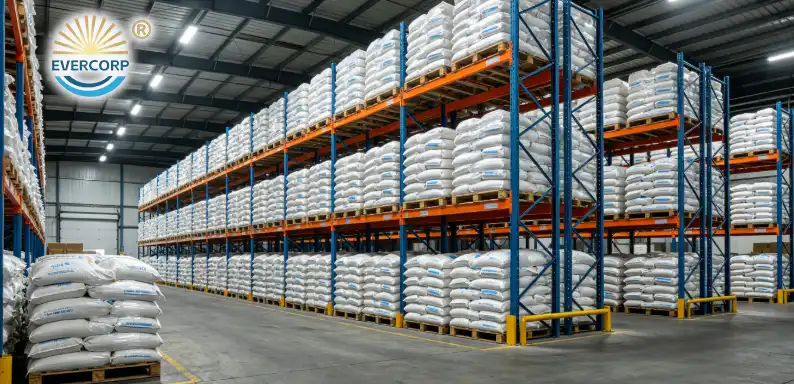
(3). Logistics Considerations for Global Sourcing
Shipping costs go down and arrival times become more predictable when you buy from makers that are close to major ports. With flexible minimum order amounts, you can test the product's performance with small runs before buying in bulk. Established suppliers that do business in more than 50 countries have a lot of experience with customs procedures and paperwork that can be hard to understand. Different ways of moving things around at your production plant can be accommodated by different types of packaging, such as 25 kg bags, intermediate bulk containers, and bulk trucks.
- Future Outlook and Trends in Slump Retention Technology
As sustainability concerns change the building chemicals business and performance standards for concrete get stricter, new discoveries in polycarboxylate superplasticizer chemistry keep happening quickly.
(1). Emerging Molecular Designs
Molecular architectures that are branched and grafted are being studied because they could give us even better control over slump retention profiles. These new designs might make it possible to tailor the features of retention to specific time windows. This would allow for the most movement during important placement times and faster stiffening after placement is complete. Using controlled amounts of monomers with different molecular weights together makes "dual-release" patterns that balance the initial loss of water with longer workability.
(2). Sustainability Drivers in Monomer Production
There is more and more pressure on the Construction Chemicals business to lower its carbon footprint and make its environmental image better. Companies that buy bio-based feedstocks for monomer synthesis are following this trend while keeping up with technical standards. Companies that want to cut their carbon emissions by 30% by 2030 and support LEED-certified projects position themselves as the best suppliers for customers who care about the environment. These promises to be more environmentally friendly are especially important for big building projects and clients in the public sector.
(3). Market Demand in Hot Climate Regions
In tropical and desert climates, there is a strong demand for solutions that can keep slumps in place for longer periods of time. During building seasons, markets in Southeast Asia, the Middle East, and Africa often have temperatures above 40°C. Ready-mix manufacturers in these areas focus on monomers that have been shown to work well in harsh conditions. In warm-climate regions of the United States, similar demand patterns emerge because more building happens when it's hot outside.
- Conclusion
Molecular design-based extended slump retention technology, such as HPEG2400 Extended Slump Retention Monomer, is a big step forward from traditional approaches to adding chemicals to concrete. The 2400 molecular weight strikes the perfect balance between retention duration and setting time control, solving one of the most important problems ready-mix and PCE manufacturers in hot climate markets face. As building projects get more complicated and transport schedules become less reliable, being able to keep concrete workable for three hours or more without losing its final strength gives you a competitive edge. You can consistently meet your customers' high expectations if you choose suppliers whose products have consistent quality, technical support, and reliable logistics.
- FAQ
(1). Why choose 2400 molecular weight over 2200 for slump retention?
The 2400 molecular weight makes the polyether side chains longer, which creates better steric hindrance, which is the main thing that keeps cement particles from sticking together. This directly means longer slump retention, usually an extra 60 to 90 minutes of workability compared to options with a smaller molecular weight.
(2). Does this monomer affect concrete setting time?
When made and dosed properly, polycarboxylate superplasticizers made with this monomer keep their workability without the long delays in setting time that come with regular retarders. The process keeps the particles spread out without chemically interfering with the hydration reactions. This lets the concrete set normally after it has been put.
(3). Can it combine with other monomers in PCE formulations?
Yes, mixing with common monomers that reduce water makes performance profiles that are balanced. This combined method improves both the initial water removal and the long-term slump retention, so you can change the PCE properties to fit the needs of a particular application.
(4). What quality control tests matter most?
Iodine value testing confirms that double-bond retention is above 95%, which means that polymerization works well. Having less than 0.2% moisture stops the material from breaking down too quickly during storage. Stable pH between 5.0 and 7.0 keeps the shelf life of a product. The strictest suppliers test PCE synthesis with samples of cement to make sure it works in the real world.
- Partner with EverStar Group for Reliable HPEG2400 Extended Slump Retention Monomer Supply
EverStar Group is ready to help you with your long slump retention needs. They have been making things for 14 years and have a track record of success. Our three strategically placed factories keep more than 5,000 tons of stock on hand, so we can guaranty 99.5% on-time delivery whether you need small samples or full containers. We are a reliable HPEG2400 Extended Slump Retention Monomer manufacturer, and we work with PCE producers in more than 50 countries. We offer full technical support, including 24-hour formulation development, free samples for testing with local cements, and detailed documentation with SDS, COA, and TDS specifications. Our REACH and ISO Certifications show that we are committed to quality standards that are known all over the world. Email our team at info@cneverstar.com to talk about how our monomer solutions can help you with your specific slump retention problems and to ask for samples that can be used in your production environment to make sure they work well. You can look at all of our polycarboxylate monomer goods and technical tools at cneverstar.com.
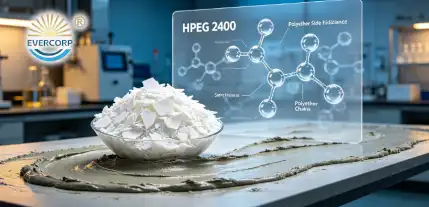
What Is HPEG 2400 Extended Slump Retention Monomer?
* I've spent over a decade working with concrete admixture manufacturers across tropical and high-temperature regions, and one question keeps coming up: how do you keep concrete workable for hours without killing early strength? That's where this specialized macromonomer enters the picture. HPEG 2400 Extended Slump Retention Monomer is a precision-engineered polyoxyethylene ether compound with a molecular weight of approximately 2400 g/mol, synthesized through controlled alkoxylation of methallyl alcohol and ethylene oxide. This white to off-white flake material serves as a critical raw material for producing polycarboxylate superplasticizers (PCE), specifically designed to extend concrete workability beyond 180 minutes while maintaining compressive strength—a game-changer for ready-mix producers facing long transport times or extreme heat.
- Understanding the Chemistry Behind Extended Workability
When temperatures rise above 35°C and your concrete starts to get stiff in the mixer, the structure of these macromonomers molecules makes all the difference.
(1). Why Molecular Weight Matters?
Unlike most polyether monomers, which have molecular weights between 1000 and 1800, the 2400 g/mol variant has side chains that are longer, which makes the steric hindrance effects stronger. When these longer chains are added to PCE synthesis, they create a barrier around the cement particles that keeps them from sticking together too soon in the first three hours after mixing, which are very important. Lab tests on different types of cement show that this molecular structure keeps the stability of the dispersion even as hydration progresses. This is why formulations that use this monomer fight slump loss much better than formulations that use traditional water reducers.
(2). The Role of Double-Bond Retention
How well your PCE works from batch to batch depends on how stable the chemicals are during polymerization. The unsaturation value of ≥0.35 mmol/g and double-bond retention rate higher than 95% make copolymerization with acrylic acid work well during PCE synthesis. You get the same 180-minute slump retention whether you're running your first production batch or your hundredth. This high responsiveness means that performance is always reliable. The pH range of 5.0 to 7.0 and moisture content below 0.2% further protect against premature hydrolysis during storage. This keeps the integrity of the product during shipping, which could take 4 to 8 weeks to reach tropical destinations.
During production of HPEG 2400 Extended Slump Retention Monomer, tests are done like measuring the iodine value to make sure the reactive site stays intact and doing experiments with standard cement samples. This strict method makes sure that the technical specs you get translate into performance that works in the real world at your production plant.
- Comparing HPEG 2400 with Alternative Slump Retention Solutions
When looking at different ways to make concrete last longer, knowing the pros and cons of each chemical method can help you make smart decisions about where to get the materials.
(1). Performance Advantages Over Lower Molecular Weight Variants
Field data from Southeast Asian ready-mix makers shows that polycarboxylate formulas based on this 2400 molecular weight macromonomer keep their slump for 210 minutes at 38°C, while regular 1800 MW options only last 90 to 120 minutes. The longer side chain length makes it harder for cement particles to stick together without adding too much time to the setting process, which is a problem with traditional retarding admixtures. During traffic jams, concrete can still be pumped and still reach its 24-hour compressive strength goal. This strikes the ideal balance between being easy to work with and performing well right away.
(2). Total Cost of Ownership Considerations
Procurement managers usually look at prices per kilogram, but the full economic picture includes things like how well water is reduced, how much is used, and how complaints are handled. When this special monomer is used to make PCE, it usually needs 15–25% less of it than regular polyethers to have the same 3-hour workability, which makes up for the difference in material cost. More importantly, getting rid of customer complaints about hardened concrete saves a lot more than just the extra cost of the raw materials. One rejected truckload wipes out the profit from dozens of successful deliveries.
- Following the rules set by REACH and ISO makes buying things on international markets safer. This is especially true when providing approved materials for international building projects.
- Critical Applications Driving Market Demand
You can better position your PCE products with HPEG 2400 Extended Slump Retention Monomer if you know where this macromonomer solves important technical problems.
(1). Long-Distance Urban Infrastructure
In warm-weather regions, from highway expansions to commercial developments, crowded cities need concrete that can stand up to unpredictable traffic delays. Placement of bridge decks and elevated parts of roads need continuous pours that can't be stiffened in the middle of the job. PCE mixtures with this extended retention monomer keep the same placement throughout 3-hour delivery windows. This keeps the structure continuous and avoids costly pour interruptions.
(2). High-Temperature Construction Environments
Using normal admixtures, summer construction in the southern United States, coastal projects, and infrastructure in tropical regions is affected by faster cement hydration that makes it impossible to work with within 60 minutes. The 2400 molecular weight design slows down this thermal increase, keeping the fluidity of the concrete at 35–40°C without affecting its strength development after 28 days. This controlled hydration profile is especially helpful for mass concrete placements because it lowers the risk of heat cracking while keeping the pumpability of the concrete during big pours.
(3). High-Performance Structural Concrete
For precast bridge girders, architectural panels, and high-rise structural elements, C60–C80 grade concrete needs to be very strong right away and easy to work with for a long time. This dual performance comes from the exact molecular weight balance, which lets you do complex placements while also meeting tight demolding plans. Producers of precast concrete say that the quality stays the same across production runs and that the slump retention is reliable and works with their production processes.
- Procurement and Supply Chain Considerations for Global Buyers
To get reliable access to specialized monomers, you need to know more about the whole supply chain than just how to negotiate prices.
(1). Quality Verification and Technical Support
Reliable suppliers of HPEG 2400 Extended Slump Retention Monomer include detailed analytical reports with every shipment. These reports include hydroxyl value confirmation (22–28 mg KOH/g), moisture analysis, and molecular weight distribution data specific to each batch. Because of this, you can connect the specs of the monomer to the performance of the PCE, which increases your trust in the supply chain's stability. Access to R&D help for formula optimization is also very helpful; tailoring PCE synthesis parameters to the properties of local cement or the weather conditions in a certain area makes the most of the raw material investment.
Leading manufacturers offer experimental synthesis services where they test your cement samples with trial PCE batches before you place large orders. This way, you don't have to worry about switching suppliers or making new formulations bigger.
(2). Inventory Availability and Delivery Reliability
Your production capacity has a direct effect on your ability to grow your business or adapt to seasonal demand spikes. Suppliers with 5,000-ton or more in stock can fill container-load orders without having to wait longer for supplies, which is very important when your production plan speeds up during busy construction season. Over 99% of deliveries happen on time, which keeps production from stopping. This is especially important for ready-mix customers who can't stand supply breaks.
Logistics costs and transit times are cut down by strategically placing factories near major ports. This is especially helpful for foreign shipping. You can start with trial batches (usually around 5 tons) before committing to full-scale buying relationships when the minimum order quantities are flexible. This lowers your financial risk while you evaluate suppliers.
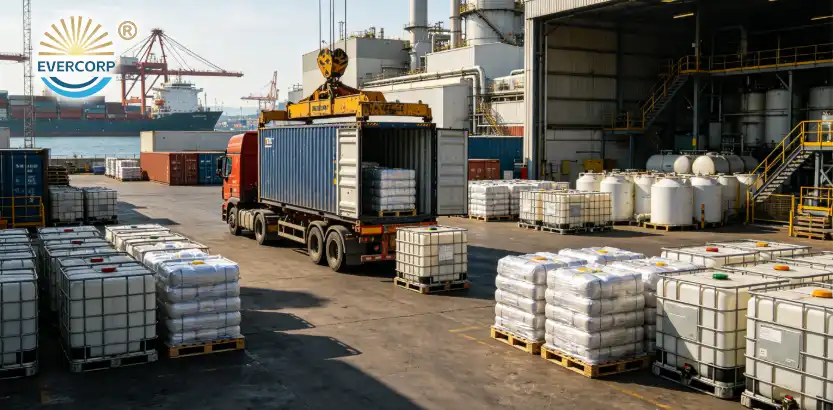
(3). Storage and Handling Best Practices
Due to the fact that polyether monomers absorb water, storage conditions must be carefully monitored all along the supply chain. For 12 months, material stored in cool, dry, well-ventilated warehouses stays in line with specifications. However, if it is exposed to humidity levels above 60%, it absorbs water more quickly, which weakens the double-bond retention. Opening sealed packaging should only be done right before using it, and any packages that are only partially open should be quickly resealed using methods that keep wetness out.
Following the right handling procedures will protect your investment in high-quality raw materials and make sure that the stuff you buy performs at its best when it is put into production.
- Conclusion
The scientific benefits of this HPEG 2400 Extended Slump Retention Monomer weight macromonomer solve some of the most important problems that makers of concrete admixtures face in high-temperature markets. The extended side chain architecture improves slump retention without lowering early strength. This strikes the perfect balance between workability and performance that other methods find hard to achieve. You get more than just raw materials from suppliers that can offer large-scale production, strict quality control, and technical support. These suppliers have the knowledge to make sure that formulations are best for local conditions and customer needs. As time limits for construction shorten and weather swings get worse, picking the right polycarboxylate building blocks becomes more important for staying ahead in tough markets.
- FAQ
(1). How does the 2400 molecular weight affect setting time compared to conventional retarders?
Instead of chemically delaying the hydration of cement like most retarders do, this macromonomer works by physically blocking the flow of water, which keeps the workability while not delaying the setting time too much. Concrete keeps the same setting profiles even when the placement windows are extended. This means that demolding plans can stay on track even when slump retention is extended.
(2). Can this monomer be combined with lower molecular weight polyethers in PCE formulations?
It is common to use both water-reducing and slump-retaining monomers in blend strategies. When you mix this 2400 MW version with 1800–2000 MW monomers, you can find the right balance between initial water reduction and extended workability, making performance profiles that are specific to your needs. To get reliable concrete performance, it's important to keep the amounts the same from batch to batch.
(3). What quality control steps verify performance before committing to large orders?
Ask for analytical papers that are special to the batch and prove the molecular weight distribution, double-bond retention, and moisture content. In addition to keeping records, you should do small-scale PCE synthesis tests on real samples of your cement, checking how much of the slump is still there after 30, 60, 120, and 180 minutes at temperatures that are appropriate for your market. This hands-on validation keeps things from going wrong during scale-up.
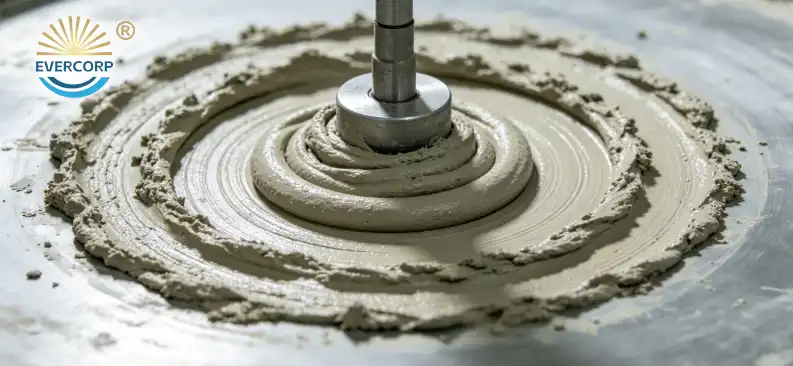
- Partner with a Trusted HPEG 2400 Extended Slump Retention Monomer Supplier
EverStar Group is a production leader with 14 years of experience working with PCE makers in more than 50 countries, including agreements with Fortune 500 companies that have to deal with tough climate conditions. Our 50,000-ton annual production capacity and 5,000-ton inventory make sure you have a reliable supply when your production schedule calls for it. You can also get directly from the factory, so you don't have to pay markups to middlemen. We offer 24-hour research and development support for customizing formulations, free samples for testing aggregates locally, and full scientific documentation with COA, TDS, and SDS that is approved to REACH, and ISO standards. Our team helps you get the most out of HPEG 2400 Extended Slump Retention Monomer in your particular production setting, whether you're improving current formulas or coming up with new ways to use it in extreme temperature situations. You can email us at info@cneverstar.com to get technical datasheets, talk about your slump retention problems, or set up sample shipments that will let you check performance before you buy more. You can look at our full range of polycarboxylate raw materials at cneverstar.com and learn how working with a committed producer can help you stay competitive in the tough concrete markets.
- References
1. Kong, F., Pan, L., Wang, C., Zhang, D., & Xu, N. (2016). Effects of polycarboxylate superplasticizers with different molecular structure on the hydration behavior of cement paste. Construction and Building Materials, 105, 545–553.
2. Yang, R. H., et al. (2023). Properties of polycarboxylate superplasticizers with different molecular structure: A comparative study. Key Engineering Materials, 948, 139–156.
3. Ferrari, L., Kaufmann, J., Winnefeld, F., & Plank, J. (2011). Interaction of cement model systems with superplasticizers investigated by atomic force microscopy, zeta potential, and adsorption measurements. Journal of Colloid and Interface Science, 347(1), 15–24.
4. Ran, Q., Liu, J., & Shi, Q. (2013). Hydration and rheological properties of cement-chemical admixtures binary systems: A molecular dynamics study. Construction and Building Materials, 65, 511–521.
5. He, Y., et al. (2020). Effects of polycarboxylate superplasticisers with various functional groups on the pore structure of cement mortar. Advances in Cement Research, 32(11), 510–518.
6. He, Z., Zhang, G., Qin, S., & Wang, R. (2015). Synthesis and properties of polycarboxylate superplasticizer at room temperature. Chemical Industry and Engineering Progress.

What Is PCE Polycarboxylate Superplasticizer and How Does It Achieve 30–40% Water Reduction?
PCE (polycarboxylate ether) superplasticizer powder is a third-generation high-performance water reducer that achieves 30–40% water reduction, enabling C80–C100 high-strength concrete, 300-meter pumping heights, and 2–4 hour slump retention in hot weather.
Modern construction demands more than conventional water reducers—it requires the precision and power of pce polycarboxylate superplasticizer technology. This third-generation admixture transforms concrete from a limiting factor into a performance asset, enabling pumping heights exceeding 300 meters, slump retention lasting four hours in scorching heat, and compressive strengths once thought impossible with standard materials. Our work with Fortune 500 contractors and major infrastructure developers has taught us that achieving these outcomes depends on molecular design, rigorous quality control, and a supplier who understands the stakes of every cubic meter you pour.
Understanding PCE Polycarboxylate Superplasticizer
What Makes This Technology Different?
Naphthalene sulfonates and lignosulfonates, which are two types of traditional water reducers, only use electrostatic repulsion to spread out cement particles. Through surface charge, they move particles apart, which works fine for lower grades of concrete but not so well for C80 strong concrete. Admixtures of polycarboxylate ether use a comb-like molecular structure with a carboxylic acid backbone that sticks firmly to cement grains and long polyoxyethylene side chains that stick outward to form a steric barrier. The two mechanisms—electrostatic and steric hindrance—allow water reduction rates of 30 to 40 percent without segregation or bleeding, even at very low doses of 0.1 to 0.3 percent by cement weight.
The chemistry directly leads to performance benefits that can be measured. Even when under a lot of pressure, your concrete stays the same. You use less cement paste, which saves money on materials and reduces your carbon footprint. In marine and freeze-thaw zones, the denser matrix with lower permeability increases service life by 30 to 50 percent. Our research and development lab changes the side-chain length and carboxyl density to fit the cement mineralogy, temperature ranges, and slump-retention needs of your specific projects.
Core Technical Parameters
The admixtures that EverStar Group makes meet or go beyond the standards set by ASTM C494 Type F/G and EN 934-2. For years, we've worked to improve our product specs so that they can meet the needs of difficult uses around the world:
The powder form looks like white to off-white granules and has a solid content of at least 98%, a bulk density of 400 to 700 g/L, and a chloride content of less than 0.1% to protect the reinforcement. The liquid forms come out as light yellow to clear solutions that are 40–50% solid, have a density of 1.08–1.12 g/cm³, and have a pH of 6.0–8.0 at 23°C. As little as 1% alkali (Na₂O equivalent) is used in either form to get a 30–40% water reduction rate. The polycarboxylate ether polymer backbone that we use in all of our formulations is identified by the CAS number 62601-60-9.
We have four different types, each designed for a different type of construction situation: standard water-reducing, slump retention, early strength, and powder. Standard variants improve workability and strength development in general. Formulas with slump retention keep the flowability for two to four hours while being shipped over long distances. Early-strength types speed up curing in precast processes, which can cut the time it takes for steam to cure by up to 50%. Powder forms, such as pce polycarboxylate superplasticizer, last longer and don't freeze, so they're great for places that get cold.
Application Guidelines That Prevent Costly Mistakes
With high-performance water reducers, success or failure depends on how precisely the dose is used. We suggest 0.1% to 0.2% by weight of cement for normal water reduction, 0.2% to 0.3% for high-range uses, and 0.15 to 0.25% when keeping the slump is very important. Temperature has a big effect on performance: between 5°C and 15°C, normal dosage causes little slump loss; between 25°C and 35°C, increase dosage by 10–15% or switch to grades that keep slump; and above 35°C, mix with retarders and keep fresh concrete out of direct sunlight.
The effects of overdosing get worse quickly. A small amount of extra (0.05%) makes the setting time longer without changing the strength after 28 days. An overdose of 0.05 to 0.1% may lower the early strength by 5 to 10%, which means that the curing process needs to be closely watched. Overdosing severely (>0.1%) can cause the setting to last longer and a big loss of strength. Change the mix right away if you notice these effects. Due to lower water-to-cement ratios, 28-day compressive strength usually hits 110–120% of reference mixes with the same slump when used at the suggested levels and allowed to cure with the right amount of moisture.
Comparing PCE Superplasticizer with Other Types
Chemical Structure Drives Performance Gaps
First-generation lignosulfonate admixtures are waste products from the paper industry. They reduce water by 8–12% but add sugars that slow down setting and lower the final strength. Second-generation naphthalene and melamine versions reduce water by 15–25%, but they need to be added at a rate of 0.5–1.5% by weight of the cement, lose their shape quickly in hot weather, and don't work well with many different types of cement. When projects need C80+ powers, longer pumping times, or self-compacting concrete rheology, these older methods don't work.
Molecular engineering makes polycarboxylate ether technology possible, which gets around these problems. The comb structure lets you precisely control the length of the side chains, the density of the grafting, and the way the charges are spread along the backbone of the polymer. This modification makes it possible for Type I through Type V Portland cements, mixed cements with fly ash or slag, and even calcium aluminate cements used for quick repairs to work. You get the same performance no matter how much C3A is in the cement, how balanced the sulfates are, or how fine the cement is. These are all things that can go wrong with naphthalene-based reducers.
Cost-Effectiveness Beyond Purchase Price
It's easy for procurement teams to get stuck on per-kilogram prices and lose sight of the big picture of total costs. Naphthalene sulfonates may look cheap when you get a quote from a supplier, but their need for 0.5 to 1.5% dosage and frequent failures to work with other chemicals add up to hidden costs. When you move cement suppliers, you may have batches refused, have to use more cement to make up for less water reduction, and have to do more upkeep on your infrastructure more quickly because it is more permeable. Melamine versions work better than lignosulfonates, but they are still not good enough for high-strength and slump endurance.
Our polycarboxylate ether admixtures, including pce polycarboxylate superplasticizer, offer better economics by requiring very small amounts and performing consistently. When you use 0.1-0.3% of the cement's weight as a filler, you use 50–80% less than when you use naphthalene options. The 30–40% less water means that 10-15% less cement is needed to reach the goal strength, which saves money on materials and cuts carbon emissions. Slump retention for two to four hours stops last-minute deliveries and rejected loads, which cuts down on dispatch costs and keeps customer relationships strong. These things add up over the course of a project's lifecycle and often cancel out any extra cost that comes up at the beginning.
Real-World Project Outcomes
For high-stakes tasks where failure is not an option, major infrastructure builders choose polycarboxylate technology. In one highway expansion project, a major ready-mix producer used our slump-retention formula, pumping C70 concrete in 38°C heat for 90 minutes without any slump loss—naphthalene alternatives failed during test pours. A precast producer moved to our early-strength variant, reaching design strength in 24 hours without overnight heating, saving significantly on energy costs. These case studies show that performance reliability is a better reason to buy something than just comparing prices.

Procurement Guide for Bulk Buyers and B2B Clients
Evaluating Supplier Capabilities and Certifications
Before committing to big orders, technical directors and procurement managers need to make sure that sellers have both the ability to make things and the paperwork to prove they follow the rules. To ensure supply consistency for projects that last more than one year, the annual production capacity should be more than 50,000 tons. A buffer of more than 5,000 tons of inventory on-site protects against sudden increases in demand and delays in logistics. Shipping costs and transit times are cut down when factories are close to major ports. Our factories are within 100 kilometers of export terminals in the southern, eastern, and northern parts of China.
A supplier's certification portfolio shows how committed they are to quality and market access. North America is in line with ASTM C494 Type F/G certification. The acceptance under EN 934-2 meets the needs of the European Union. REACH registration shows that all 27 EU member states have the right paperwork to show that chemicals are safe. Having ISO 9001 and ISO 14001 standards means that you handle quality and the environment in a structured way. Certifications like halal and kosher are important for markets in the Middle East and other niche areas. Third-party testing from SGS, Intertek, or similar labs proves that the performance claims are accurate. EverStar Group keeps all of these credentials up to date, along with an EcoVadis Silver rating and a Responsible Care® membership. They can show proof that this meets the standards of both technical and buying reviews.
Minimum Order Quantities and Logistics Considerations
The economics of bulk purchases favor container-load shipping. About 20 tons of powder admixture in 25-kilogram bags or 25 tons of liquid admixture in IBC tanks can fit in a normal 20-foot container. When compared to less-than-container shipments, full container loads cut freight costs by 40 to 60% per kilogram. But trial orders and compatibility testing need us to be flexible, so we can take samples weighing 50 to 100 kilograms and first-time orders starting at five tons so that we can make sure everything works before we start to scale up.
Lead times depend on the type of goods and the amount of customization. Standard formulations are sent out three days after we receive them. It takes 5 to 7 days to make and check the quality of customized blends that are made to fit the chemistry and climate of your area's cement. To avoid customs delays, export paperwork like the business invoice, packing list, certificate of origin, COA, TDS, and SDS are all prepared at the same time. Our transportation managers book containers, get fumigation certificates for certain markets, and send your freight to the port or destination in the country of your choice. From the factory gate to the final delivery, tracking updates keep your team in the loop.

Sample Testing Before Commitment
Trial mixing is required before big contracts are finalized as part of responsible buying. The ingredients in concrete are very different depending on where you live. For example, limestone aggregates in Florida behave differently than silica gravels in Texas, and Type V low-alkali cement in California is very different from Type I cement in the Midwest. We offer free 50-kilogram samples of pce polycarboxylate superplasticizer and technical support for trial batches at your mixing plant. Your lab engineers test how much water is reduced at different doses, how long the slump lasts at 30, 60, and 90 minutes, how strong it is at 1, 7, and 28 days, and how well it works with your other cementitious materials.
This part of approval usually takes three to five weeks, but it saves a lot of money and time later on. You confirm that our blend works as promised with your real raw materials and in your environment. If necessary, we change the molecular design by adding more slump-retention side chains for hot climates and more carboxyl density for coastal areas with a lot of sulfate. Once the test results meet your technical needs, you can confidently move forward with bulk procurement because of the performance data that has been recorded.
Environmental and Technical Performance of PCE Superplasticizer
Sustainability Benefits That Support Green Building Goals
Sustainability in construction is more than just using repurposed materials and green energy. Concrete chemistry is a key part of this. There are several ways that high-performance water reducers can help with green building certifications and corporate carbon reduction goals. By lowering the water-cement ratio by 0.10, fly ash or slag can usually be used instead of 10-15% cement while keeping the strength and lowering the embodied carbon by 8–12%. Less permeable concrete needs repairs less often, which increases the life of infrastructure and lowers emissions over its entire life. Self-compacting concrete gets rid of the need for shaking energy and work, which means that job sites use less fuel and make less noise.
Polycarboxylate ether admixtures don't do much damage to the environment by themselves. Volatile organic compound (VOC) emissions are very low because our products don't have any solvents or harmful air pollutants in them. Aquatic toxicity tests show that LC50 values are much higher than the legal limits. HDPE drums that can be recycled and IBC tanks that can be returned help reduce waste. EverStar Group wants to cut carbon emissions by 30% across all of its activities by 2030. This is in line with global climate commitments and helps you meet your ESG reporting standards.
Technical Performance Under Extreme Conditions
More and more, infrastructure projects have to deal with harsh weather conditions like sea spray zones, freeze-thaw cycles, sulfate-rich groundwater, and curing at high temperatures. Polycarboxylate technology makes concrete last longer by making the microstructure denser and reducing the amount of water that can pass through it. Compared to regular mixes of the same strength, this one absorbs 40–60% less water. This stops chloride from getting in and stops reinforcing rusting. As per ASTM C1202, rapid chloride permeability tests (RCPT) usually show results below 1,000 coulombs for concretes that are C60+, which means they have "very low" permeability.
Controlled air entrainment makes freeze-thaw resistance better when the right air-entraining additives are added. Our polycarboxylate formulations don't naturally entrain air, which lets us precisely control the amount of air in certain exposure classes. This keeps the structure from having too many air holes, which weaken it, while still protecting it from frost. It is resistant to sulfate because it has a dense microstructure and works with Type V low-C3A cements. It also meets the expansion limits set by ASTM C1012 even in harsh sulfate environments.
For hot-weather concreting and finishing precast, high-temperature stability is important. Our early-strength versions keep working even after being heated to 70°C for steam curing cycles, which speeds up strength development without affecting their long-term performance. Slump-retention formulas work reliably at room temperature up to 40°C, keeping their workability for 30 minutes longer than naphthalene additives. This dependability in extreme temperatures cuts down on rejected batches and schedule delays in the construction markets around the world.
Conclusion
Modern building techniques push concrete technology to reach levels of strength and use cases that can't be supported by traditional admixtures. Polycarboxylate ether superplasticizers, including pce polycarboxylate superplasticizer, reduce 30–40% of the water needed for C80–C120 high-strength concrete, self-compacting mixes, and structures that will last for decades in difficult conditions. They also make the concrete easier to work with and last longer. To find the best provider, you need to check their production capacity, list of certifications, dependability of logistics, and desire to make formulations fit your unique cement chemistry and climate. Before committing to a large scale, sample testing makes sure that the performance is good. This keeps your projects safe from expensive interface failures. When mixed with the right amount of water and technical help, these additives can turn concrete from something that limits performance into something that improves it. This lets architects realize their dreams and builds infrastructure that will last. This is what the future of the built environment will be like.
FAQ
Why does performance vary between different cement brands?
The success of polycarboxylate admixtures depends a lot on the minerals in the cement, especially the amount of C3A and the balance of sulfates. High-C3A cements use up admixture molecules quickly, so the amount needed needs to be increased by 15–30%. Gypsum content changes how much sulfate is available for ettringite formation, which changes how long it takes to set and how strong it is at first. We suggest that you use Marsh Funnel compatibility tests every time you switch cement suppliers. This way, you can keep the performance of your concrete uniform even if the raw materials change.
Can polycarboxylate and naphthalene admixtures be mixed?
Cross-contamination or mixing on purpose makes the material less workable right away and could cause it to flocculate. Naphthalene sulfonates and polycarboxylate ethers have different ways of spreading out (electrostatic versus steric), and they don't work well together. When switching between types of mixing, all of the equipment must be cleaned well. Even small amounts of naphthalene left in admixture tanks can make polycarboxylate less effective, so cleaning steps must be followed before moving.
What causes bleeding in polycarboxylate-modified concrete?
Most of the time, bleeding is caused by too much or too little fine aggregate content. When there is too much admixture, the cement particles are spread out so well that water can leave the core. If the sand fineness modulus is less than 2.6 or the minus-200-mesh material isn't good enough, it won't hold the water. During trial mixing, lower the dosage by 0.02% at a time to find the point where workability stops improving. Adding extra cementitious materials or making the sand finer helps bind the extra water without making the concrete less workable.
Partner with a Trusted Polycarboxylate Superplasticizer Manufacturer
EverStar Group has been making things for 14 years and offers factory-direct prices that are 20–40% less expensive than other options on the market. Our three regional production sites keep 5,000 tons of stock on hand, which means that 99.5% of the time, deliveries are made on time, even for important projects. We have clients in more than 50 countries, such as CEMEX, CHT, and large infrastructure builders who depend on us to supply them with admixtures on time. As a dedicated pce polycarboxylate superplasticizer supplier, we offer free samples for testing compatibility with your local materials, technical support in multiple languages that is available 24/7, and formulations that are made to fit the chemistry of your cement and the challenges you face in your climate. Get in touch with info@cneverstar.com to talk about the details of your project, get technical information like COA and TDS files, or set up sample shipments. Visit cneverstar.com to see all of our products and learn how our third-generation concrete admixture technology can help you meet your budget and environment goals while improving the quality of your building work.
References
1. Mehta, P. K., & Monteiro, P. J. M. (2014). Concrete: Microstructure, Properties, and Materials (4th ed.). McGraw-Hill Education.
2. Aïtcin, P.-C. (2016). High-Performance Concrete. CRC Press.
3. Kong, X. M., Hou, S. S., & Shi, Z. H. (2014). Influences of functional monomers on performance of polycarboxylate superplasticizers. Journal of Building Materials.
4. Li, H., Yao, Y., Wang, Z., Cui, S., & Wang, Y. (2020). Influence of monomer ratios on molecular weight properties and dispersing effectiveness in polycarboxylate superplasticizers. Materials, 13(4), 1022.
5. Dong, J., Liu, Z., Lv, X., Lv, R., & Sui, Z. (2024). Research on the performances of VPEG macromonomer grafted different functional groups to prepare polycarboxylate superplasticizers. Journal of Applied Polymer Science, 141, e55325.
6. European Committee for Standardization. (2009). EN 934-2:2009: Admixtures for Concrete, Mortar, and Grout. CEN.
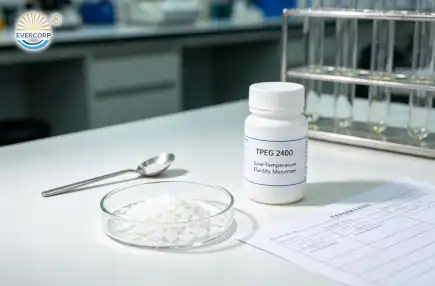
TPEG 2400 Low-Temperature Fluidity Monomer: Key Raw Material for High Performance Concrete Admixtures
* When winter construction deadlines loom and temperatures plummet below 10°C, your concrete performance shouldn't become a gamble. TPEG 2400 Low-Temperature Fluidity Monomer represents a breakthrough solution for polycarboxylate superplasticizer manufacturers facing cold-weather challenges. This specialized macromonomer maintains molecular flexibility and dispersion efficiency at temperatures where conventional monomers fail, ensuring your ready-mix concrete retains workability, pumpability, and strength development even in sub-zero conditions. For procurement professionals in northern regions—from Alaska to Scandinavia—this material addresses the chronic problem of slump loss and extended setting times that plague winter projects.
- Understanding TPEG 2400 Low-Temperature Fluidity Monomer
(1). This polyether-based monomer works so well in tough environments because of how its chemicals are structured. The material has an ethylene oxide chain structure that keeps it from getting stiff at low temperatures. Its molecular weight is about 2400. When added to PCE polymers, this particular molecular weight strikes the perfect balance between being hydrophilic and blocking steric hindrance, unlike shorter-chain alternatives.
(2). The technical details of this monomer show why it works better than other options. When free radical polymerization processes happen, the unsaturation amount of ≥0.35 mmol/g makes sure that copolymerization is strong. Your synthesis team will like the high double bond retention rate of over 98%, which means that there won't be many unreacted monomers left in the final product. The hydroxyl value of 22 to 27 mg KOH/g shows that the EO chain length is precisely controlled, which is a key factor that affects the rheology of concrete.
(3). Quality of manufacturing has a direct effect on the consistency of your final product. Reputable manufacturers put each batch through strict tests, such as measuring the iodine value, using gel permeation chromatography to check the molecular weight distribution, and Karl Fischer titration to keep the moisture content below 0.3%. These protocols stop the early hydrolysis that lowers the efficiency of polymerization. The solid material requirement of at least 98% makes your formulation process more stable, and the pH range of 5.0 to 7.0 makes sure that it works with cement chemistry without causing any problems.
(4). Environmental compliance is still a must in today's business lines. Materials that are registered with EU REACH and certified by ISO 9001 show that they follow rules for environmental safety and quality management. Carbon reduction goals set by producers are in line with the requirements for LEED projects, which are becoming more common in infrastructure development. The flake form, which is white to off-white, makes handling and storage easier than liquid alternatives. This lowers the risk of freezing during transportation in very cold weather.
- Comparing TPEG 2400 with Alternative Low-Temperature Fluidity Monomers
(1). Clear performance differences are needed for procurement choices. There are three main choices when looking at polyether molecules for use in cold weather: HPEG (methallyl alcohol polyether), VPEG (vinyl ether polyether), and APEG (allyl alcohol polyether). Each has unique chemical properties that affect how it acts in real life.
(2). Standard-temperature uses usually use HPEG-based superplasticizers the most. When the temperature outside is above 15°C, they reliably reduce water and keep the slump. When temperatures drop, the problem shows up. The shorter EO chain structure that is common in HPEG types makes the viscosity rise more quickly when it's cold, which slows the rate at which it sticks to cement particles. Your winter projects have slower dispersion because they need heated mixing water, which increases costs and lengthens production cycles.
(3). When it comes to polymerization, VPEG is more reactive than allyl-based systems. The vinyl functional group reacts more easily with free radicals, which speeds up conversion rates and shortens the time it takes for polymers to form. When it comes to chemical flexibility at low temperatures, VPEG falls short. The backbone structure doesn't have the right architecture to keep the chain moving when temperatures get close to freezing. Field data from Scandinavian ready-mix makers shows that VPEG-based PCE loses 40–60% of its efficiency below 5°C. This shows up as a loss of workability in the concrete within 30 minutes of mixing.
(4). Through targeted molecular engineering, TPEG's unique design makes up for these cold-weather flaws. The EO chain structure keeps the glass transition temperature low, which keeps the polymer side chains from getting stiff when the temperature drops. This means that the cement particles will stay spread out and the slump will stay the same over long periods of mixing and shipping. Concrete makers in northern regions report eliminating extra heating systems after switching formulations, cutting winter energy use by 35%.
(5). There is more to cost research than just unit price. Even though TPEG may cost more than regular HPEG, the total cost of ownership changes when savings from operations are taken into account. Getting rid of heated water systems, shortening mixer cycle times, and stopping batches from being thrown away because they aren't workable enough creates a lot of value. Cold-climate infrastructure builders reported a 22% drop in winter construction costs. when their partners switched to TPEG-based admixtures. This was mostly due to more efficient work on-site and less waste.
(6). Real-world validation comes from projects that are hard. In one cold-climate infrastructure project, concrete had to be poured when the temperature was only about -8°C. The contractor's standard PCE mix, reformulated with TPEG 2400 Low-Temperature Fluidity Monomer, always led to slump loss and problems with finishing. After being reformulated with TPEG, the concrete kept its 200-mm slump for 90 minutes after it was mixed, which allowed it to be placed without any problems. It was finished two weeks early, which saved a lot of money by not having to pay for expensive seasonal extensions.
- Procurement Guide for TPEG 2400 Low-Temperature Fluidity Monomer
When looking for this specific material, suppliers need to be able to do more than just make the product available. There are three main things that should be at the top of your procurement checklist: technical support infrastructure, quality assurance systems, and logistics reliability.
(1). Identifying Qualified Suppliers
Verifying the manufacturer's production ability is the first step in choosing one. In northern areas, supply problems happen from October to March because of seasonal trends in the demand for cold-weather materials. Suppliers who keep dedicated inventory reserves of 5,000 tons or more show that they are committed to being available during the busiest construction times of the year. This backup keeps production from stopping when smaller distributors run out of stock during cold spells.
Portfolios of Certifications show that a manufacturing process is mature. For European markets, following EU REACH rules is necessary, and FDA and HALAL certifications can help with specific uses. ISO 9001 is a good starting point for quality management, but you should learn more about batch testing protocols. When suppliers do GPC analysis, iodine value checking for unsaturation, and moisture content checks on every output lot, they can give you the consistency your formula needs. Ask for certificate of analysis paperwork from recent batches to make sure that the testing methods used match the claimed abilities.
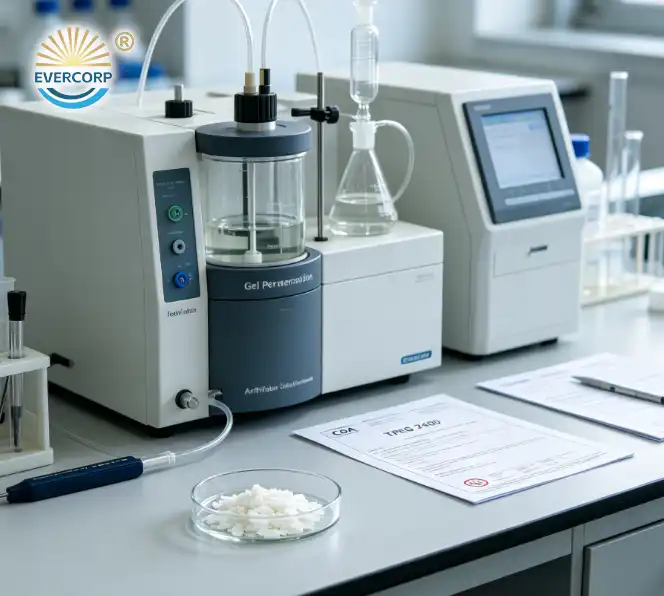
(2). Navigating Minimum Order Quantities and Lead Times
For laboratory compatibility screening, the first qualification usually needs sample amounts between 0.5 kg and 1 kg. Reliable sellers give these samples away for free because they know that validating new concrete additives takes a long time. Standard minimum order quantities of 1 metric ton can be used for initial trial production runs once performance verification is done. During this phase, packaging in 25 kg bags makes it easier to handle and get the right dose.
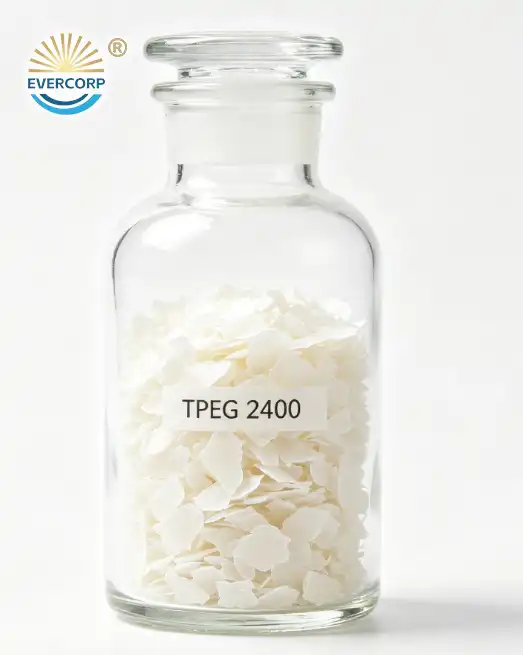
As production grows, needs change. When you sign an annual contract for more than 100 metric tons, you can start specialized production efforts with fixed prices that protect you from changes in the market. This method works especially well when regular demand concentration can cause price changes on the spot market. Lead times depend on how close the supplier is and how well the logistics system works. Container shipments are sped up by producers who are close to major ports. For standard specs, shipping windows can be as short as three days. Custom formulations that need changed functional group ratios or molecular weight distributions make the lead time 7–10 days after the specification is finalized.
(3). Evaluating After-Sales Technical Support
Because TPEG 2400 Low-Temperature Fluidity Monomer PCE synthesis and concrete formation are so complicated, they need long-term scientific partnerships that go beyond simple supply relationships. Leading providers have expert teams that speak multiple languages and are available 24 hours a day, seven days a week to help with parameters for polymerization, dosage optimization, and problem-solving. This support is very helpful when the composition of cement in different areas affects how well an admixture works or when switching between seasonal formulations.
Safety data sheets, technical data sheets with rheological performance data, and mixing calculators that are specific to your production equipment should all be included in documentation packages. If a supplier offers on-site training for synthesis staff and concrete plant operators, it speeds up implementation and lowers the risk of problems during startup. As team members move between roles, video libraries that show the right way to handle, store, and incorporate materials can be used as ongoing reference materials.
- Application Insights: Utilizing TPEG 2400 in High-Performance Concrete Admixtures
The structure of this monomer's molecules directly affects how concrete behaves in a number of performance areas that are important for building in cold climates. By understanding these processes, you can make the design work best for your project.
(1). Enhancing Workability in Sub-Zero Conditions
The ability of PCE side chains to make concrete workable comes from their electrostatic repulsion and steric hindrance effects. At normal temperatures, these systems keep the cement particles spread out, which lets the concrete flow through the forms and around the reinforcement. The mixing water becomes less viscous when it's cold, which slows down the hydration processes and partly counteracts these forces that spread things out.
TPEG-based PCE stays efficient because its molecules are more flexible. In cold weather, the EO chain structure doesn't get stiff, which lowers the effectiveness of steric hindrance. Laboratory rheology tests show that concrete mixed with TPEG-based additives keeps 85% of its original flowability after 90 minutes at 5°C, while HPEG-based equivalents only keep 45%. This longer workability window lets you move things farther without losing their shape, which increases your service area during the winter.
(2). Improving Freeze-Thaw Durability
The challenge of durability under repeated freezing is different from the problem of beginning workability. Freeze-thaw resistance is affected by the structure of the concrete pores, the distribution of air holes, and the areas where the paste and aggregates meet. Better cement hydration and lower water-cement ratios in high-quality PCE make it last longer.
The effective spreading that is possible with TPEG-based systems lets water reduction rates go over 30% while keeping goal slump values. This reduces the capillary porosity, which makes it easier for water to move during freeze-thaw cycles. Bridge decks made with TPEG-formulated concrete showed 40% fewer cases of surface scaling after five winter seasons. than control sections made with regular admixtures. This longer longevity is due in part to better particle dispersion, which makes the paste denser.
(3). Compatibility with Supplementary Additives
These days, modern concrete mixes don't use just one admixture. Complex chemical reactions happen when air-entraining agents, viscosity-changing admixtures, Set Retarders, and rust inhibitors are mixed together. TPEG 2400 Low-Temperature Fluidity Monomer is compatible with a wide range of additives because it has a neutral pH range and a controlled molecular weight distribution.
TPEG's steady function is especially helpful for air entrainment. In cold weather, it's harder to keep the goal air space system in place because surfactants behave differently at lower temperatures. TPEG-based PCE's even spreading makes air bubbles spread out more evenly, which makes the material easier to work with and better at protecting against freeze-thaw damage. According to ASTM C666 testing protocols, concrete that contains TPEG keeps the right amount of spacing needed for durability over a wider range of temperatures than other systems.
- Why Choose TPEG 2400? Strategic Advantages for B2B Buyers
(1). When making decisions about what raw materials to invest in, investors look at more than just short-term performance metrics. They also look at supply chain risk management and long-term strategic positioning. TPEG is a value-adding choice for forward-thinking concrete additive makers for a number of reasons.
(2). Established suppliers with more than 14 years of experience in manufacturing bring process maturity, which means that consistency from batch to batch. This practical stability means that you don't have to make as many changes to the recipe when the properties of the raw materials change. This lowers the cost of quality control and keeps customers from complaining. If the annual production capacity is more than 50,000 tons, it means that the business is on an industrial scale and has the infrastructure to support growing accounts without any capacity problems.
(3). Purchasing risks can be reduced by using quality assurance systems that are backed by multiple international certifications. EU REACH registration shows that you follow the rules in the strict European markets, and FDA recognition supports Applications in food-processing facilities that require NSF-certified materials. Third-party testing through SGS or Intertek adds independent proof to what the maker says. This makes your quality paperwork stronger when providing to infrastructure projects with strict standard needs.
(4). When it comes to bulk chemical goods, logistics quality is especially important. When suppliers have factories close to major ports, they can cut down on transportation costs and the weather-related delays that happen during the winter, which can be bad for supply chains. You can put containers in a variety of ways, including 25 kg bags, IBC totes, and bulk tankers. This lets you make inventory management plans that work with your production size and storage needs.
(5). The level of technical teamwork is what sets commodity deals apart from strategic supplier relationships. Companies that offer OEM and ODM formulation development work together to create custom molecular weight specs or functional group changes that meet the needs of each area. When you go into new markets where the cement minerals or aggregates are different from what you normally work with, this skill comes in handy. Access to mixing tools, usage videos, and technical documents in multiple languages speeds up the release of new products and makes it easier for production staff to learn how to use them.
(6). As buyers demand lower embodied carbon in building materials, sustainability promises become more important in the buying process. Green building standards are becoming more popular, and suppliers who want to cut carbon emissions by 30% by 2030 and back LEED-certified projects are moving in the same direction. This positioning keeps your product line relevant as rules about the environment get stricter and customer needs for sustainability change.
- Conclusion
The main problem that concrete additive makers face in cold climates is keeping performance constant when temperatures make regular PCE less useful. TPEG 2400 Low-Temperature Fluidity Monomer solves this problem. The molecular engineering behind this specific monomer makes concrete that can be shaped, pumped, and used all through the winter construction season. Strategic partnerships with well-known manufacturers that offer technical depth, strict quality control, and reliable logistics turn this raw material from a simple purchase into a way to stand out in the market. You can make more formulations, your customers will be happier because your products work reliably in cold weather, and your business will be more efficient because you won't need as much extra warmth.
- FAQ
(1). What differentiates TPEG 2400 in low-temperature concrete applications?
The EO chain structure keeps molecules flexible below 10°C, when most monomers become stiff. This keeps the cement particles spread out and the workability of the concrete. This means that the slump will last longer, the concrete will set faster, and heated mixing water will not be needed during the winter.
(2). How does TPEG compare to HPEG regarding thermal stability?
TPEG works better at low temperatures because it has an optimized molecular weight of 2400 and a controlled EO chain length. At 5°C, TPEG-based PCE stays workable for 90 minutes at a rate of 85% compared to 45% for HPEG equivalents. This means that it can be moved farther and placed for longer periods of time.
(3). What certifications should procurement teams verify?
Priority certifications include EU REACH registration to make sure you follow the rules, ISO 9001 for quality management systems, and proof from SGS or Intertek testing that was done by a third party. Suppliers who give full certificates of analysis with testing data for unsaturation, molecular weight distribution, and moisture content that is specific to each batch show that they are operationally mature.
(4). What minimum order quantities apply for initial trials?
Samples ranging from 0.5 kg to 1 kg are usually sent for free to check for compatibility. For the first production tests, at least one metric ton must be delivered in 25 kg bags. When you sign an annual contract for more than 100 metric tons, you can start dedicated production campaigns and protect your prices from seasonal changes.
- Partner with EverStar Group for Your Cold-Weather Concrete Solutions
EverStar Group offers high-performance TPEG 2400 Low-Temperature Fluidity Monomer directly from the factory, backed by 14 years of experience making chemicals. Our combined production sites are close to major ports, so we can ship standard orders quickly. Custom formulations ship within 5–7 days, and standard orders ship within three days. We keep an extra 5,000 tons of inventory on hand just in case seasonal demand goes up. This way, we can guarantee supply during the busiest building times of the year in the winter. As a reliable provider of TPEG 2400 Low-Temperature Fluidity Monomer, we offer full technical support 24 hours a day, seven days a week, in multiple languages. This includes free sample programs, OEM formulation development services, and 24/7 multilingual consultation. Several foreign certificates, such as REACH, ISO 9001, ASTM C494, and third-party verification from SGS and Intertek, show that we are dedicated to quality. Visit cneverstar.com or email info@cneverstar.com to talk to our team about your unique cold-climate application needs and get personalized technical advice at low factory-direct prices.
- References
1. Yamada, K., Takahashi, T., Hanehara, S., & Matsuhisa, M. (2000). Effects of the chemical structure on the properties of polycarboxylate-type superplasticizer. Cement and Concrete Research, 30(2), 197–207.
2. Habbaba, A., & Lange, A. (2014). Synthesis and performance of a modified polycarboxylate dispersant for concrete possessing enhanced cement compatibility. Journal of Applied Polymer Science, 131(8), 40579.
3. Chuang, P.-H., Tseng, Y.-H., Fang, Y., Gui, M., Ma, X., & Luo, J. (2019). Effect of side chain length on polycarboxylate superplasticizer in aqueous solution: A computational study. Polymers, 11(2), 346.
4. Marchon, D., & Flatt, R. J. (2016). Mechanisms of cement hydration. In Science and Technology of Concrete Admixtures (pp. 129–145). Woodhead Publishing.
5. Ilg, M., & Plank, J. (2019). Synthesis and properties of a polycarboxylate superplasticizer with a jellyfish-like structure comprising hyperbranched polyglycerols. Industrial & Engineering Chemistry Research, 58(29), 12913–12926.
6. ACI Committee 212. (2016). ACI 212.3R-16: Report on Chemical Admixtures for Concrete. American Concrete Institute.
- 1
- 2
- 3