Polycarboxylate Superplasticizers Monomer
Molecular Weight: ~2400
Unsaturation: ≥0.35 mmol/g
Hydroxyl Value: 22-28 mg KOH/g
pH (5% aq): 5.0-7.0
Iodine Value: ≥8.5 g I₂/100g
Solid Content: ≥98%
CAS: 31497-33-3 (VPEG/EPEG polyether monomer)
VPEG2400 Polycarboxylate Superplasticizers Monomer: 6th-Generation PCE Building Block for Sulfate-Resistant Concrete
EverStar Group delivers Polycarboxylate Superplasticizers Monomer with proven sulfate resistance and 13+ years of chemical manufacturing expertise. Our VPEG2400 (also known as EPEG/GPEG) is a 6th-generation vinyl ether-based polyether monomer specifically engineered for PCE synthesis in high-sulfate cement environments. Unlike conventional HPEG2400, this product maintains over 90% dispersion efficiency even when cement SO₃ exceeds 3.5%, solving the critical pain point faced by ready-mix producers in Middle East and coastal markets. Manufactured in our 5,000-ton capacity facility with EU REACH compliance, we offer factory-direct pricing, 24-hour custom formulation support, and 99.5% on-time delivery to 50+ countries. Contact Us at info@cneverstar.com for free starter recipes.

What Makes VPEG2400 Different from Standard HPEG Monomers?
Conventional HPEG monomers work well in steady cement frameworks. But when your concrete blend faces variable sulfate levels, clay defilement in totals, or numerous cement providers, you require a more brilliant solution.
Our VPEG2400 monomer offers three basic advantages:
1. Predominant Reactivity
The vinyl ether twofold bond in VPEG responds 3-5 times quicker than HPEG's methallyl ether gather. You can polymerize at 35-45°C instep of 55-65°C. This cuts your vitality input by 30-40% and speeds up generation cycles significantly.
2. Unmatched Sulfate Resistance
In cement with SO₃ substance over 3.5%, HPEG-based PCE loses 30-50% of its scattering control. VPEG-based PCE holds over 90% execution beneath indistinguishable conditions. This dispenses with the require for costly sulfate-tolerant comonomers like AMPS in numerous formulations.
3. Way better Cost-in-Use
Yes, VPEG costs 10-15% more per kilogram than HPEG. But higher reactivity implies you utilize less initiator, wrap up responses speedier, and dodge extra strength monomers. Your add up to generation taken a toll really drops whereas concrete quality progresses.
Technical Specifications You Can Count On
| Parameter | Specification | Significance |
|---|---|---|
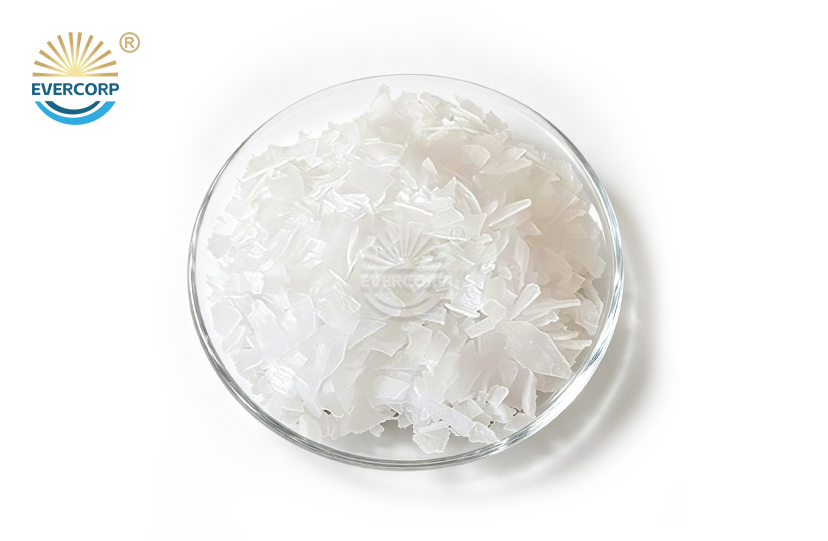
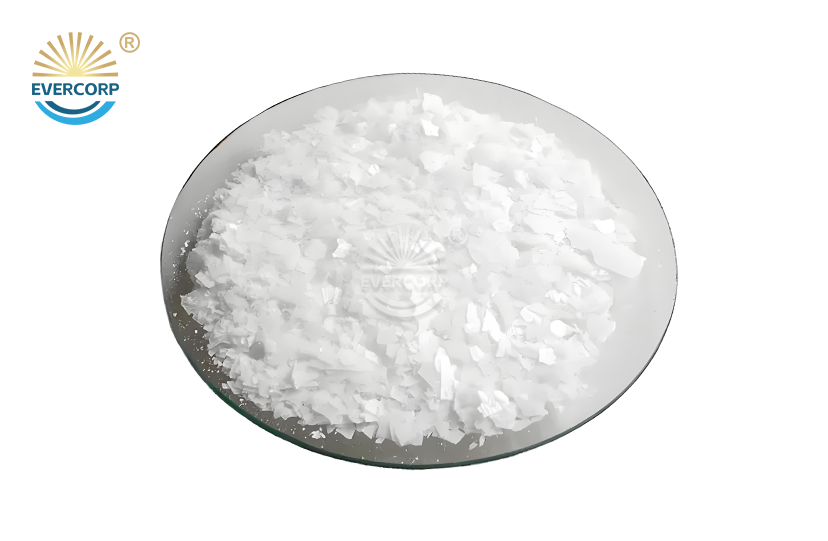
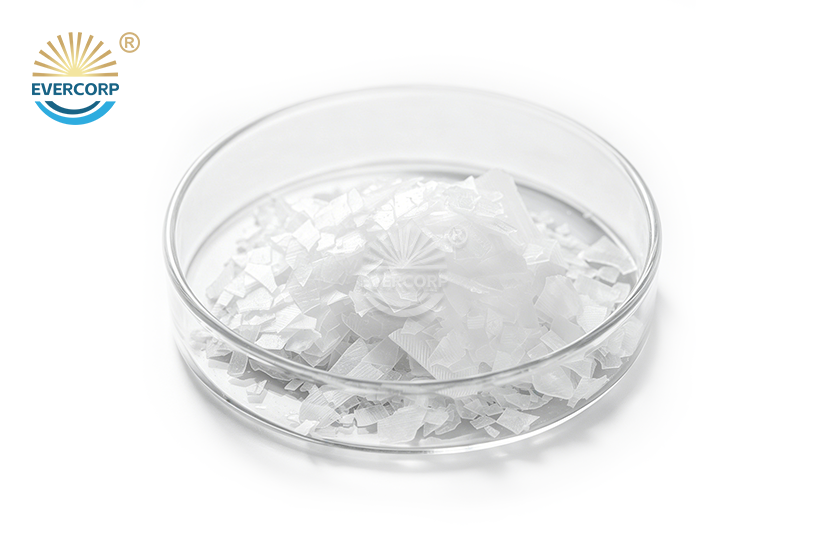
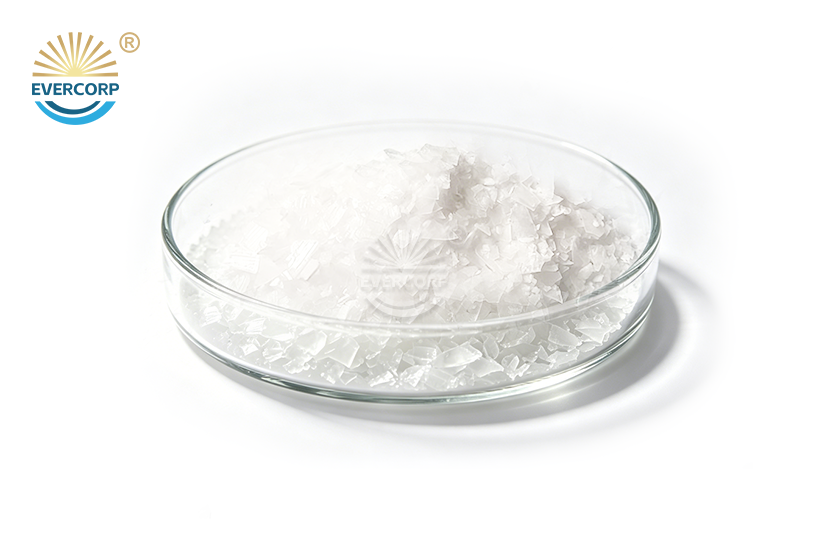
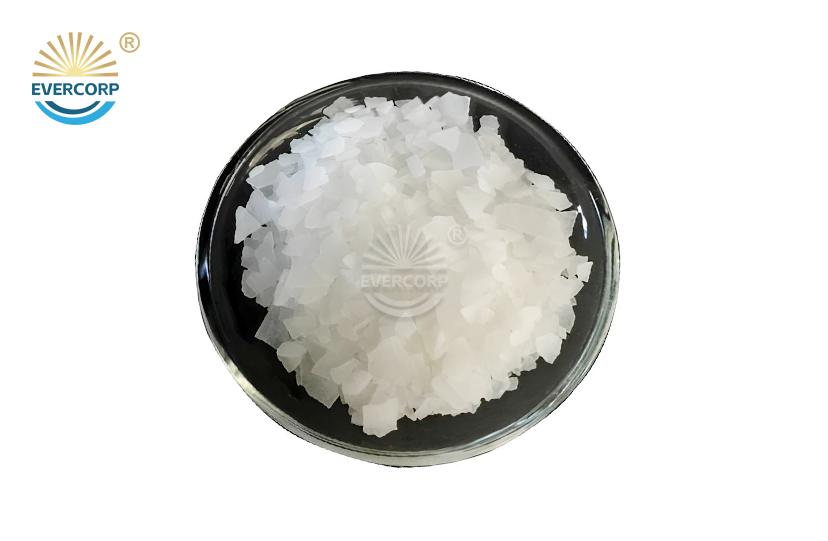
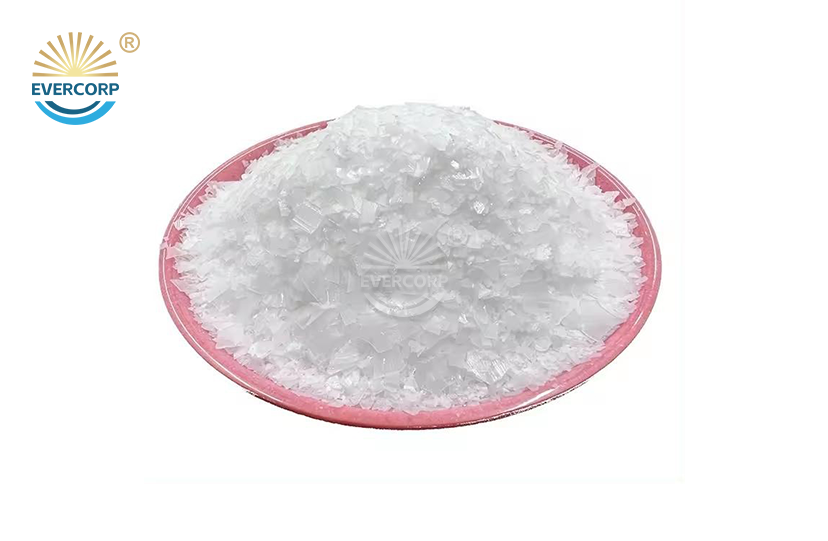
| Appearance | White to off-white flakes | Visual quality indicator |
| Molecular Weight | ~2400 g/mol | Optimized side chain length for steric hindrance |
| Unsaturation | ≥0.35 mmol/g | Ensures high reactivity during polymerization |
| Hydroxyl Value | 22-28 mg KOH/g | Controls molecular structure consistency |
| pH (5% aqueous) | 5.0-7.0 | Prevents premature reaction or degradation |
| Iodine Value | ≥8.5 g I₂/100g | Measures active double bond content |
| Solid Content | ≥98% | Low moisture prevents caking and formulation errors |
| CAS Number | 31497-33-3 | International identification standard |
We test every batch in our in-house laboratory using Gel Permeation Chromatography and standard titration methods per GB/T 8077. Double bond retention stays above 95%, ensuring maximum conversion efficiency in your synthesis reactor.
Note: Product specifications may be adjusted during product iteration and optimization. Please submit your inquiry to us for the latest data and official COA documents.
Where VPEG2400 Monomer Delivers Real-World Results?
Ready-Mix Concrete Plants with Variable Cement Sources
When your cement supplier changes or seasonal sulfate levels fluctuate, standard PCE formulations fail. VPEG2400-based admixtures maintain consistent slump retention and water reduction across different cement batches. Your quality control becomes simpler, and jobsite complaints drop.
Coastal and Desert Construction Projects
High-sulfate groundwater, desert aggregates with clay, and marine environments create tough conditions. PCE synthesized from this Polycarboxylate Superplasticizers Monomer handles these challenges without performance loss. Bridge piers, tunnel segments, and port facilities stay durable.
Precast Concrete Manufacturing
Early-strength concrete needs high flowability but quick setting. VPEG enables you to create PCE formulations that maintain workability during casting, then develop strength rapidly. Steam curing times decrease, energy costs fall, and production throughput increases.

Why PCE Producers Choose Our VPEG2400?
Sulfate-Adaptive Chemistry
Your clients work with numerous cement plants. Sulfate substance changes from bunch to clump. Standard HPEG-based PCE requires consistent reformulation. Our VPEG2400 adjusts naturally, keeping concrete execution steady notwithstanding of cement SO₃ vacillations between 2.5% and 4.5%.
Lower Generation Complexity
Faster response energy cruel shorter group times. Lower temperature necessities diminish cooling framework stack. Higher transformation rates minimize unreacted monomer squander. Your plant effectiveness makes strides whereas quality remains consistent.
Technical Back Included
We give three starter formulas optimized for distinctive sulfate levels—free with your to begin with arrange. Our chemical engineers offer assistance you alter initiator frameworks, optimize response conditions, and troubleshoot any blend issues. You get a fabricating accomplice, not fair a crude fabric supplier.
Smart Storage and Handling Guidelines
Store pieces in fixed moisture-proof sacks underneath 35°C. Tall temperatures trigger untimely polymerization and oxidize twofold bonds, decreasing reactivity. Commonplace rack life is 6-12 months beneath legitimate conditions.
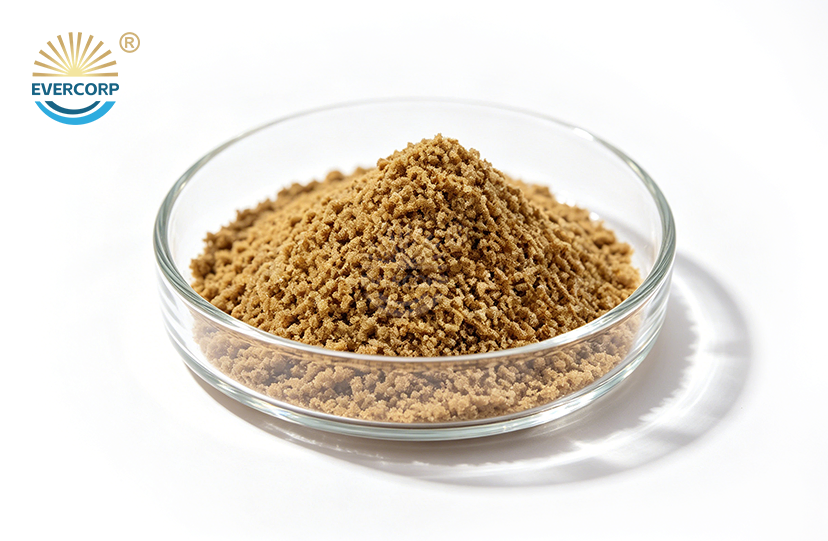
Minor yellowing over time is satisfactory. Profound discoloration signals oxidation—test twofold bond substance some time recently utilize. Keep capacity ranges dry. Dampness causes caking and makes precise weighing troublesome amid formulation.
For fluid monomer shapes, keep up temperature between 15-30°C. Dodge coordinate daylight presentation. Continuously confirm iodine esteem if put away past six months.

EverStar's Manufacturing and Quality Promise
Our 5,000-ton stock capacity guarantees you never confront supply interferences. Mechanized generation lines keep up batch-to-batch consistency. EU REACH compliance and ISO quality frameworks ensure solid item standards.
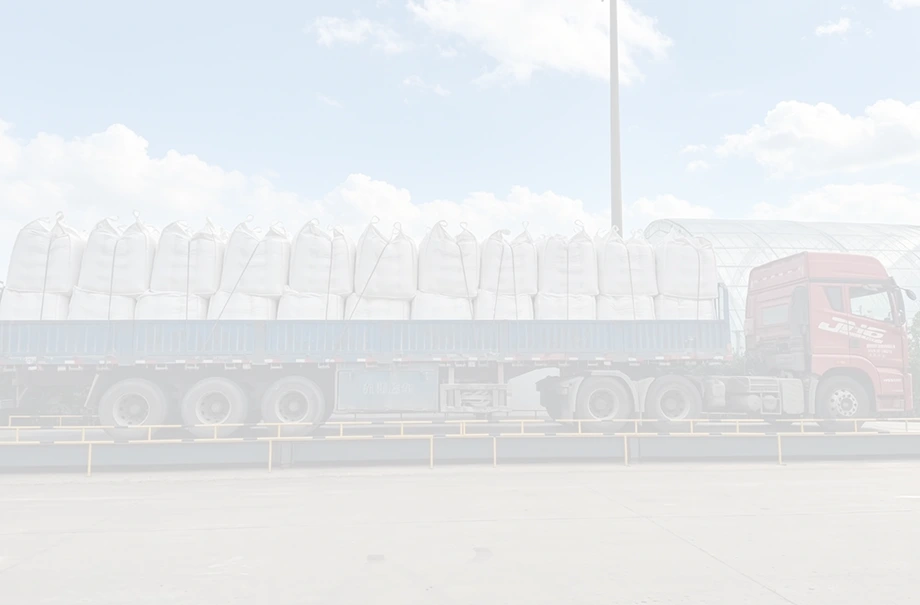
We dispatch all inclusive to 50+ nations with 99.5% on-time conveyance. MOQ adaptability bolsters both trial orders and full holder loads. Proficient trade bundling and coordinations coordination make universal obtaining smooth.
Every bunch incorporates a Certificate of Investigation with total test information. Our quality group performs crude fabric review through last item confirmation utilizing progressed testing gear.

FAQ
Q: How does storage temperature affect the product stability?
A: Keep monomers below 35°C to prevent premature polymerization. High temperatures oxidize double bonds and reduce reactivity. In hot climates, store in air-conditioned warehouses or insulated areas.
Q: What double bond retention rate should I expect?
A: Our VPEG2400 maintains ≥95% retention. Rates below 92% produce PCE with poor water-reducing capabilities. We test every batch and provide documentation with shipment.
Q: Can I blend VPEG with HPEG monomers during synthesis?
A: Yes, many producers create 'alloy' formulations to balance initial water reduction with extended slump retention. Adjust your initiator system accordingly. We can provide guidance based on your specific performance targets.
Q: Why do some monomer flakes turn yellow over time?
A: Slight yellowing indicates minor polyether chain oxidation. It's acceptable if iodine value remains within specification. Deep discoloration means significant activity loss—retest before use or request fresh material.
Q: What's the typical shelf life under optimal conditions?
A: 6 to 12 months in sealed, dry storage below 35°C. After this period, verify double bond content through iodine value testing. We recommend first-in-first-out inventory rotation.
Q: How does VPEG improve sulfate resistance compared to HPEG?
A: VPEG's molecular structure creates stronger steric hindrance that stays effective even when sulfate ions alter cement surface charges. HPEG relies more on electrostatic repulsion, which sulfates disrupt more easily.
Get Started with Free Formulation Support
Request your free sample and three sulfate-optimized PCE recipes today.
Email: info@cneverstar.com
Let's solve your sulfate resistance challenges together with proven Polycarboxylate Superplasticizers Monomer technology.